
Whiplash After a Minor Cape Coral Fender-Bender: How Doctors Diagnose and How It Affects Your Claim
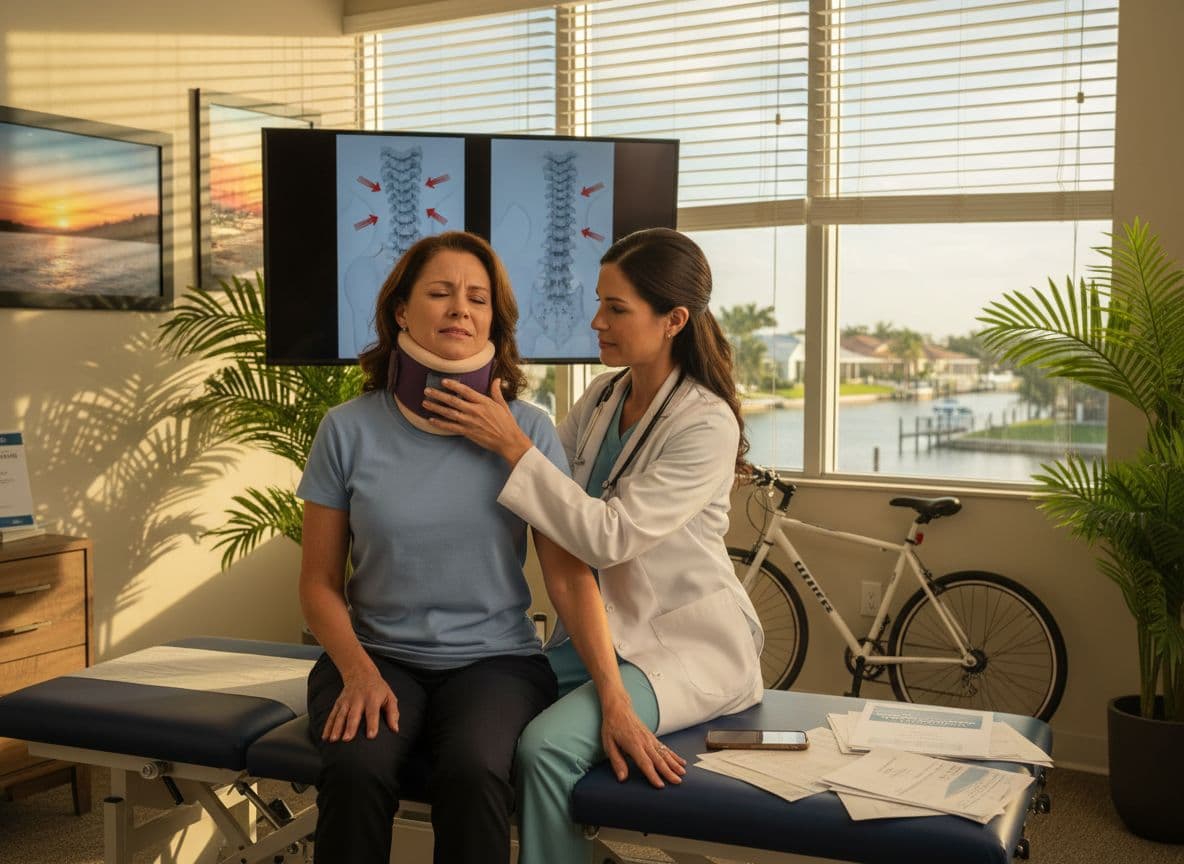
You hear a crunch, feel a jolt, and see a dent in your bumper. The crash was low speed, the air bags did not deploy, and everyone at the scene says they feel “fine.”
Then hours or days later, your neck stiffens, headaches start, and you can barely turn your head to back out of a parking space. That “minor” wreck no longer feels minor. You may be dealing with whiplash.
If you are searching for whiplash Cape Coral information after a fender-bender, you are not alone. This guide explains how doctors diagnose whiplash, why early care matters, and how your medical records shape your injury claim after a Cape Coral car accident.
Can a “Minor” Fender-Bender Really Cause Serious Whiplash?

Photo by Gustavo Fring
Whiplash is a soft tissue injury in the neck. It happens when your head snaps forward and back, like the crack of a whip. The force stretches and strains muscles, ligaments, and other tissues.
This can happen even when the cars look “barely damaged.” Low property damage does not mean low injury risk. Modern bumpers are built to stay firm in low-speed impacts, so the car might look fine while your neck absorbs most of the force.
Symptoms often start slowly. Common signs include:
- Neck pain or stiffness
- Headaches, often starting at the base of the skull
- Shoulder or upper back pain
- Dizziness or fatigue
- Tingling in arms or hands
Many people in whiplash Cape Coral cases try to “tough it out” at first. That delay can hurt both your health and your claim. Getting checked by a doctor creates a clear record tying your symptoms to the crash.
For a deeper look at soft tissue injuries from low-speed wrecks, see Avard Law’s article on soft tissue injuries and big claims in Cape Coral.
How Doctors Diagnose Whiplash After a Cape Coral Crash
Doctors do not rely on a single test for whiplash. They build the diagnosis step by step, like putting together pieces of a puzzle.
Your Story And Symptoms
The first tool is your own story. The doctor will ask:
- How did the crash happen, and where was the impact?
- Where does it hurt, and when did the pain start?
- Does anything make the pain worse or better?
- Are you having headaches, dizziness, or trouble sleeping?
Be honest and detailed. If the pain started the next morning, say that. If you tried to go back to work and had to stop, share that too. Your description helps link the injury to the collision.
Physical Exam
Next comes a hands-on exam. The doctor may:
- Check your range of motion by asking you to turn or tilt your head
- Press along your neck, shoulders, and upper back to find tender areas
- Test reflexes, strength, and sensation in your arms and hands
These findings help the doctor decide how serious the injury is and whether nerves or discs might be involved. Notes from this exam often show up later in your medical records and can support your claim.
Imaging And Other Tests
Whiplash itself does not always show up on X-rays or scans. Still, doctors often order tests to rule out broken bones or more serious problems. Common tests include:
- X-rays to check for fractures or alignment issues
- CT scans in cases with trauma signs, head injury, or severe pain
- MRI scans when there is concern about discs, ligaments, or nerve damage
If imaging is normal, it does not mean your pain is “all in your head.” Soft tissue injuries are often invisible on basic tests. The key is how your symptoms, exam findings, and test results fit together.
Typical Whiplash Treatment Plan
Treatment depends on how serious the injury is, but often includes:
- Short rest, then gentle movement to avoid stiffness
- Anti-inflammatory medicine or muscle relaxants
- Physical therapy to restore strength and range of motion
- Heat or ice, stretching, and home exercises
Some people recover in a few weeks. Others have pain that lasts months or becomes chronic. Your treatment records, follow-up visits, and referrals help show how the injury affects your daily life and work.
Why Diagnosis Matters For Your Florida Injury Claim
Florida is a no-fault state for car insurance. That means your own Personal Injury Protection (PIP) coverage often pays first for medical bills and part of lost wages, no matter who caused the crash. But that is only the start.
The 14-Day Rule And Ongoing Care
In Florida, you must seek medical care within 14 days of the crash to use PIP benefits. If you wait longer, the insurer may deny those benefits. Late treatment also gives the other driver’s insurance company an excuse to argue that something else caused your pain.
If you did wait to get help, you may still have options. Avard Law explains these issues in more detail in the article, Can you claim after delayed medical treatment for a car accident?.
Soft Tissue Injuries And “Low Impact” Arguments
Insurance companies often downplay whiplash. Adjusters may say:
- The crash was low speed, so injuries must be minor
- X-rays are normal, so you cannot be badly hurt
- You did not go to the ER, so you must have felt fine
Your medical diagnosis pushes back on those points. Detailed records can show:
- Onset of symptoms soon after the crash
- Objective findings in the exam, such as muscle spasm or limited motion
- Clear treatment plan, therapy notes, and progress or lack of progress
This is how an injury that looks “invisible” at first becomes believable to a claims adjuster, or to a jury if your case goes to court.
Pain, Suffering, And Long-Term Impact
Under Florida law, you can only recover for pain and suffering from a car crash if your injuries meet certain thresholds, such as a permanent injury. Your doctor’s records are central to this question.
If whiplash keeps you from working, caring for your children, or enjoying daily life, that needs to be documented. Missed work notes, therapy reports, and referrals to pain specialists all help paint the full picture of your loss.
For more claim basics, many people find Avard Law’s step-by-step guide to filing a Cape Coral car accident claim helpful.
Protecting Your Whiplash Claim After A Cape Coral Fender-Bender
You cannot undo the crash, but you can take smart steps to protect your health and your case.
Get Checked, Then Follow The Plan
See a doctor as soon as you notice neck pain, headaches, or stiffness. Tell the provider it started after a car accident in Cape Coral.
Then:
- Follow through with referrals, such as physical therapy
- Keep follow-up visits, and explain how you feel at each one
- Do your home exercises if they are prescribed
Gaps in treatment give insurers a chance to argue that you healed, or that something else caused your symptoms. Steady care shows that your pain is real and ongoing.
If you are unsure what to do right after the collision, Avard Law has a guide on the first steps to take after a Cape Coral car accident.
Document How Whiplash Affects Your Life
Medical records tell part of the story. Your daily life tells the rest. Consider keeping a simple journal of:
- Pain levels through the day
- Tasks you can no longer do or need help with
- Work shifts you miss or hours you lose
- Activities you stop, such as sports, yard work, or caring for family
This kind of real-world detail can support your claim for pain, suffering, and lost quality of life. It also helps you explain your experience clearly to your doctor and your lawyer.
Talk To A Lawyer Before You Settle
Insurance adjusters often move fast on whiplash claims from minor fender-benders. They may offer a small check early and say it is “fair for this kind of accident.” Once you sign a release, you are done, even if your pain gets worse.
An experienced car accident attorney can review your medical records, the crash report, and your insurance coverage. The lawyer can also deal with the adjuster so you do not have to. That is especially important in whiplash Cape Coral cases with delayed symptoms or long recovery times.
Final Thoughts: Do Not Ignore Neck Pain After A “Minor” Crash
A small dent in your bumper can hide a big injury in your neck. Proper diagnosis, consistent treatment, and solid documentation turn a vague complaint of “neck pain” into a clear whiplash claim.
If you are dealing with whiplash after a Cape Coral fender-bender, do not wait. Get medical care, keep records, and reach out to a personal injury lawyer who understands soft tissue cases and Florida’s no-fault rules.
You do not have to handle the stress, pain, and insurance pressure alone.