
Florida Elevator and Escalator Injury Claims: Proof and Common Defenses
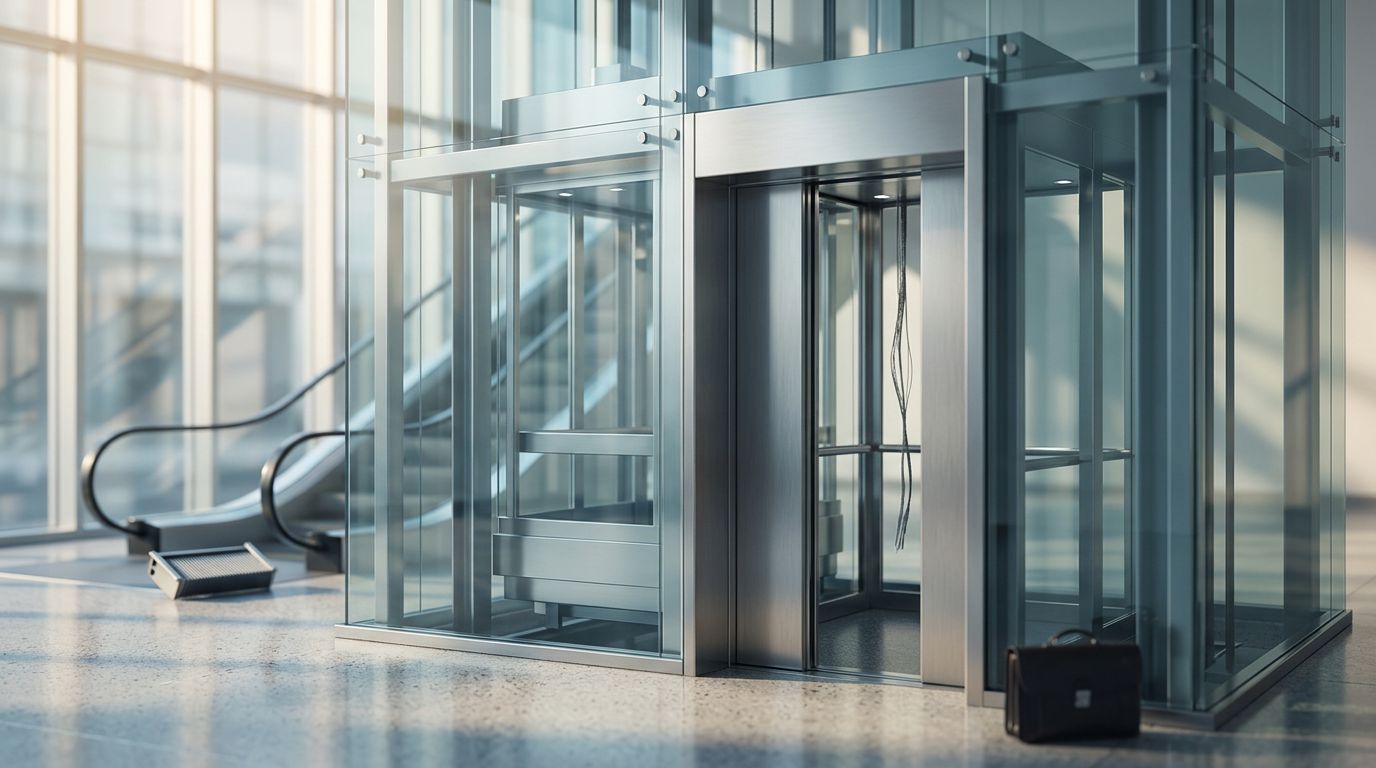
A normal elevator ride lasts seconds. When something goes wrong, the harm can last months, or longer. If you were hurt in a sudden drop, a door strike, a misleveling trip, or an escalator fall, you’re probably asking the same thing every injured person asks: who’s responsible, and how do you prove it?
Florida elevator injury claims often turn on details that disappear fast. Surveillance video gets overwritten. Maintenance logs “go missing.” The device gets repaired before anyone documents the defect. The good news is that Florida law gives structure to these cases, and strong proof can cut through the noise.
Below is what usually matters most, what defendants argue, and how solid claims are built.
What Florida elevator and escalator injury claims must prove
Most cases start as negligence claims. In plain terms, you must show a legal duty, a breach of that duty, and a link between the breach and your injuries. Elevator and escalator claims often involve more than one duty holder, which is why early investigation matters.
Who may be legally responsible
Depending on where the injury happened and why, the responsible party may include:
- The building owner or operator (hotel, mall, hospital, apartment complex)
- A property management company
- A condo or HOA that controls common areas
- A contracted elevator service company
- A manufacturer or installer (when a defect or improper installation is involved)
Florida also has a dedicated statutory framework for elevator safety. Chapter 399 addresses inspections, operation certificates, and other safety requirements. If you want to see the rules in black and white, review the Florida Chapter 399 elevator safety law. Violations do not automatically win your case, but they can support an argument that safety rules weren’t followed.
The evidence that typically moves these cases
Elevator and escalator cases are proof-heavy. Think of it like reconstructing a plane’s rough landing from a few remaining clues. Helpful evidence often includes:
- Photos and video (inside the cab, landing area, escalator steps, warning signs)
- Incident reports and 911 or fire rescue records
- Witness names and short statements taken early
- Prior complaints, work orders, and service records
- Inspection records and certificates of operation
- Key fob logs, camera retention policies, and building policies
- Medical records that tie the mechanism of injury to your diagnosis
Because many injuries involve a trip or fall at the threshold, it helps to understand how premises cases are usually evaluated. This guide on Understanding Slip and Fall Injuries explains common injury patterns and the steps that protect a claim.
If the elevator or escalator is repaired before it’s documented, the case often becomes a fight over what “must have happened” instead of what can be proven.
The hardest part is usually causation, not the malfunction
People assume the key issue is whether the elevator broke. In practice, defendants often focus on causation and damages. They may accept there was a “problem,” then argue your injuries came from something else.
Common elevator and escalator injury scenarios
Claims often involve:
- Misleveling: the cab stops above or below the floor, causing a trip
- Door events: doors closing too fast, reopening late, or striking a rider
- Sudden stops: abrupt braking that throws passengers
- Entrapment: panic and injury during a stuck elevator event
- Escalator falls: sudden speed change, step defect, comb plate hazards, or handrail issues
The medical side matters fast. A same-day or next-day evaluation can connect symptoms to the incident. Gaps in care give insurers room to argue you weren’t hurt, or you weren’t hurt badly.
Why notice and recordkeeping matter
Property owners and contractors often defend these cases by claiming they had no warning. So your evidence should aim at notice, including:
- prior incidents in the same device
- recurring service calls
- repeated door adjustments
- patterns of shutdowns or resets
- overdue inspections or ignored deficiencies
Florida’s regulator also requires accident reporting in certain situations. For background, see DBPR elevator accident reporting. Even when the report requirement doesn’t directly apply to your specific facts, it can help frame questions about what the certificate holder did after someone got hurt.
A related angle is whether inspections were current and properly handled. The DBPR’s overview on elevator inspections in Florida provides context for what owners and operators are expected to do.
Damages proof: make the story measurable
In injury cases, damages are more than medical bills. They include how your life changed. However, you still need documentation. Useful proof can include work restrictions, time missed, job duty limits, and notes from treating providers.
For a plain-language breakdown of common damage categories that apply across many injury claims, this Avard Law resource on types of compensation in injury cases is a helpful starting point.
Common defenses in Florida elevator and escalator cases (and how they’re answered)
Defendants in Florida elevator injury claims tend to repeat a handful of defenses. Knowing them early helps you gather proof that blocks them.
Comparative fault and “you weren’t careful”
Florida uses a modified comparative fault system in many negligence cases. If a jury finds you more than 50 percent at fault, you may recover nothing. As a result, insurers often argue you:
- weren’t watching where you stepped
- rushed into closing doors
- wore unsafe footwear
- ignored a warning cone or sign
- used an escalator incorrectly (strollers, carts, standing too close)
Good claims answer this with objective proof. Video, witness statements, and scene photos can show lighting, crowding, missing warnings, or a sudden malfunction that gave no time to react.
“We had no notice” and “it passed inspection”
Another common defense is lack of notice. They may say the problem happened without warning and they maintained the equipment reasonably. Your side often looks for patterns, including earlier repairs for the same symptom.
They may also point to inspections as a shield. Inspection compliance helps them, but it doesn’t end the case. An elevator can pass an inspection and still be unsafe due to poor maintenance, delayed repairs, or a recurring condition between inspection dates.
“An independent contractor did it”
Property owners sometimes try to shift blame to a maintenance vendor. Service companies may respond that the owner delayed approval for repairs. These finger-pointing defenses are common, which is why contracts, work orders, and email trails matter.
Pre-existing conditions and gap-in-treatment arguments
Insurers like to argue your back, knee, or neck pain existed before the incident. Prior history doesn’t bar recovery, but you should expect scrutiny. Consistent treatment, clear imaging notes, and a provider’s causation opinion often matter more than the adjuster’s talking points.
Time limits can end a claim early
Florida shortened the deadline for many negligence cases. In most situations, you have two years to file a personal injury lawsuit, and wrongful death claims are often also subject to a two-year deadline. Special rules can apply, so waiting is risky, even if you’re still treating.
Conclusion
Elevators and escalators are like silent machines until they fail, then every missing record matters. Strong Florida elevator injury claims are built on early evidence, clear medical causation, and proof that the responsible party could have prevented the harm. Just as important, good preparation anticipates the usual defenses about notice, fault, and pre-existing conditions. If you suspect a malfunction or poor maintenance played a role, acting quickly can protect the proof your case will need.