
VA Special Monthly Compensation in 2026: Levels and Proof
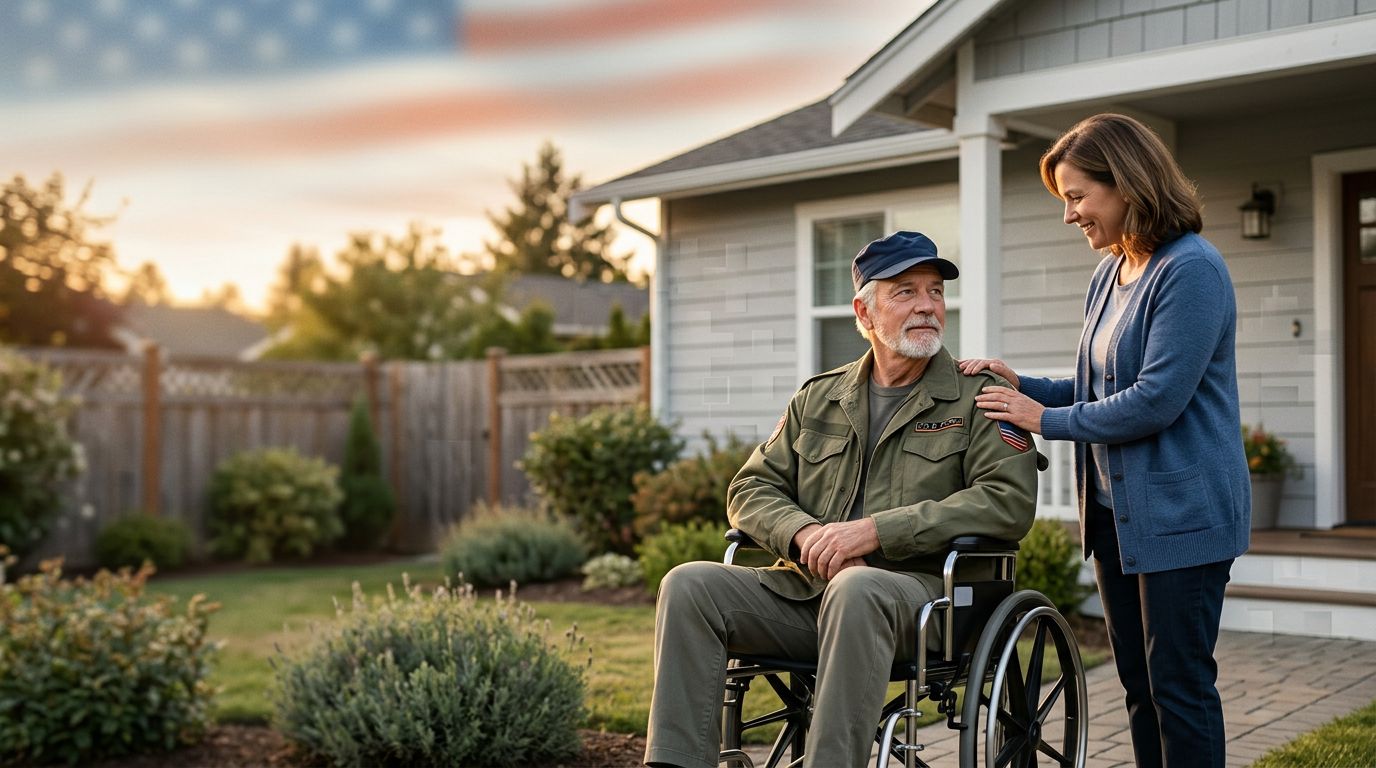
If a 100% rating feels like the finish line, think again. VA special monthly compensation can pay more when a service-connected condition causes severe loss, housebound status, or a need for daily help.
In 2026, the rates increased with a 2.8% cost-of-living adjustment, effective December 1, 2025, and reflected in 2026 payments. Still, the hard part isn’t reading the table. It’s proving that your condition fits the exact SMC level.
What VA special monthly compensation covers in 2026
VA special monthly compensation, often called SMC, is extra disability pay for veterans with very serious limits. It covers situations that a normal percentage rating doesn’t fully capture. That includes loss of use of a hand or foot, blindness, the need for regular aid and attendance, housebound status, and certain combinations of severe disabilities.
Most higher SMC levels pay instead of the standard monthly rate. One major exception exists. SMC-K is usually an add-on, so it can sit on top of another rate. For the official breakdown, see the VA’s current special monthly compensation rates.
Here are the main 2026 base amounts for a veteran with no dependents:
| SMC level | 2026 monthly rate | Typical fit |
|---|---|---|
| K | $139.87 | Add-on for certain anatomical loss or loss of use |
| L | $4,900.83 | Regular aid and attendance, or severe loss |
| L 1/2 | $5,154.18 | Between L and M |
| M | $5,408.55 | Higher loss combinations |
| M 1/2 | $5,780.19 | Between M and N |
| N | $6,152.64 | Very severe loss combinations |
| N 1/2 | $6,514.55 | Between N and O |
| O | $6,876.52 | Extreme combinations of loss |
| R-1 | $9,826.88 | Regular aid and attendance on top of a high base SMC level |
| R-2 or T | $11,271.67 | Higher-level care, or qualifying traumatic brain injury needs |
| S | $4,408.53 | Housebound status |
The VA also uses intermediate rates in some cases, which is why the right label matters. In addition, some amounts rise if you have a spouse, children, or dependent parents. Each child under 18 adds $109.11, and a spouse who needs aid and attendance adds $201.41.
If you need a refresher on how the basic system fits under SMC, this guide to VA disability ratings and compensation helps connect the dots. The short version is this: SMC isn’t a reward for a high rating. It’s pay for specific forms of severe impairment.
What proof wins an SMC claim
Proof is where many claims stall. Think of SMC like a lock with two keys. One key is the diagnosis. The other key is function, meaning what the condition keeps you from doing each day.
A strong file usually includes a mix of evidence:
- Treatment records: Notes showing help with bathing, dressing, eating, toileting, transfers, medication, or protection from hazards.
- Doctor opinions: Statements that match the legal standard, such as loss of use, housebound status, or regular aid and attendance.
- Lay evidence: Clear statements from a spouse, child, friend, or caregiver describing daily help and safety risks.
- Objective testing: Vision testing, nerve studies, mobility findings, amputation records, or other exams that show severity.
Diagnosis gets attention, but daily limits often decide the SMC level.
Service connection still matters. If the VA doesn’t accept that the severe condition is tied to service, the SMC claim can fail even with strong medical proof. That’s why it helps to review how to link service to VA disability before building the higher-level argument.
The VA may also schedule a Compensation and Pension exam. Go in ready to talk about your worst days, not your best day. If you need help getting out of bed, use a walker, fall in the shower, or can’t manage medications alone, say so. Short answers like “I’m okay” can undercut months of records.
Words matter, too. “Pain” is part of the story. “I can’t button a shirt, cut food, or stand without help” is much stronger. When the issue is aid and attendance, the VA wants details about actual daily tasks. When the issue is loss of use, the file should show that the limb or organ no longer works in a meaningful way.
Common mistakes that can cost back pay
The biggest mistake is assuming the VA will fill in the blanks. It won’t. A stack of records without a clear theory often leads to a denial, or the wrong level.
Another common problem is mixing up a high rating with SMC. A veteran can have 100% and still not qualify for aid and attendance. On the other hand, a veteran below 100% can qualify for an SMC add-on like K. The label matters less than the facts in the record.
Some claims also fall short because they leave out the home picture. Caregiver logs, photos of adaptive devices, fall reports, and statements about who cooks, cleans, or helps with toileting can change the case. So can proof of when the need began, because the effective date drives back pay.
The gap between a weak SMC claim and a strong one is usually detail, not drama.
If the VA denied the claim, used the wrong start date, or ignored severe functional loss, legal help can make a real difference. SMC cases turn on the rating history, the medical file, and the exact words used in the decision. For a side-by-side look at standard compensation outside SMC, see the 2026 VA disability pay rates chart. You can also compare those amounts with the current veterans disability compensation rates on VA.gov.
For many Florida veterans, the right next step is a file review before another form gets filed. That review can catch missed evidence, a bad exam, or a low SMC level that leaves money unpaid.
The bottom line
VA special monthly compensation is where the rating schedule meets real life. In 2026, the levels are fixed, but the result still turns on proof. Build the claim around function, daily help, and the right medical wording, then check the effective date just as closely as the rate. That’s how a severe disability claim moves from frustration to payment.