
Florida Drowsy Driver Claims: Proof Checklist for Not-At-Fault Victims
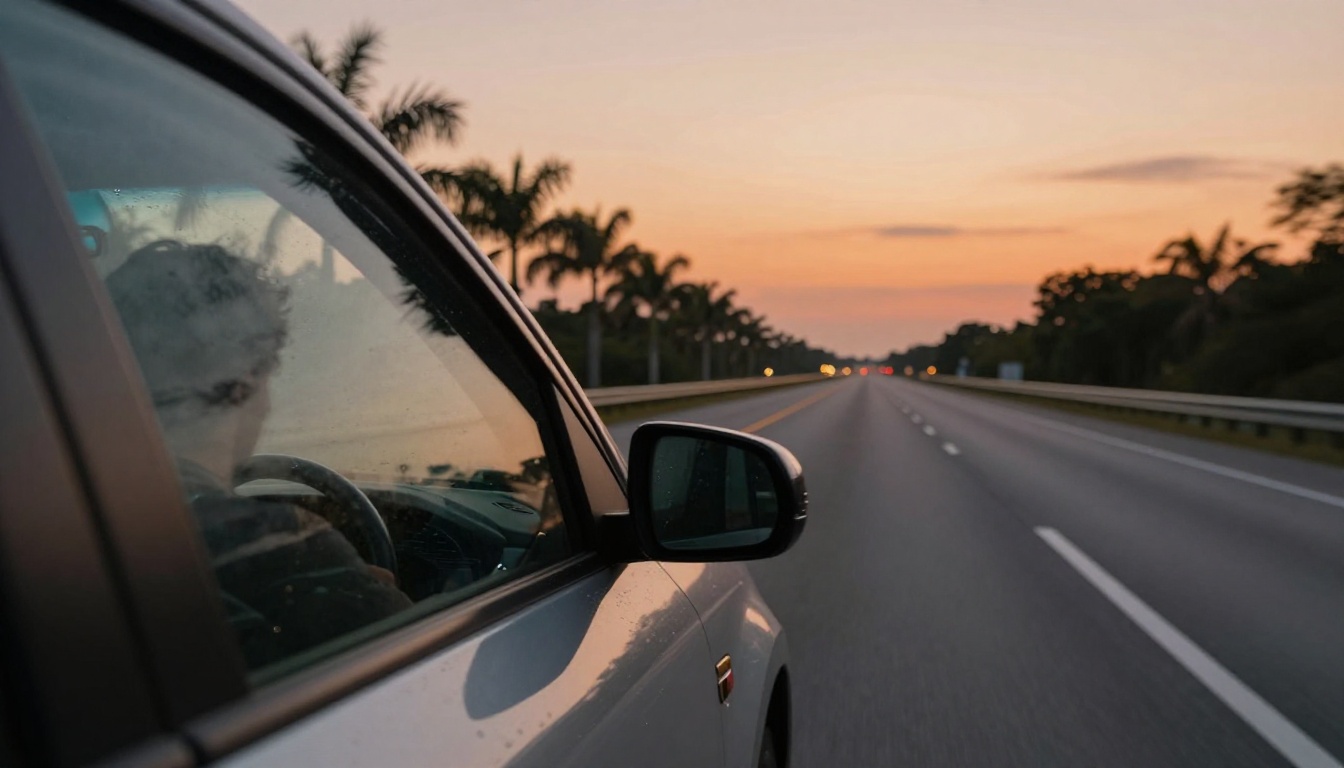
A tired driver can wreck your day, your car, and your health in seconds. In Florida drowsy driver claims, the hard part is not always showing the crash happened. The hard part is proving fatigue before the other side turns it into a vague “mistake” case.
If you were not at fault, move fast. The strongest claims usually rest on a simple chain of proof: scene evidence, witness accounts, video, a fatigue timeline, and prompt medical records. Think of it like saving footprints before the tide comes in.
Why drowsy driving proof is different in Florida
Florida does not have a stand-alone “drowsy driving” offense like DUI. Instead, these cases are usually framed as negligent or careless driving when the facts support it. That means there is rarely one test result that ends the argument.
As of March 2026, exact statewide fatigue crash totals for this year are not available yet, partly because drowsiness is often underreported and crash data takes time to close out. Still, FLHSMV’s drowsy driving prevention guidance warns that fatigue can slow reaction time, cloud judgment, and lead to deadly crashes. In the same vein, FLHSMV’s “Drowsy Driving is Impaired Driving” campaign points to sleep loss, long trips, and late-night hours as major risks.
That matters because fatigue leaves patterns. A sleepy driver may drift across the center line, rear-end stopped traffic, miss an exit, or fail to brake before impact. Many crashes happen between midnight and 6 a.m. Others involve drivers coming off overnight shifts or long drives.
In fatigue cases, the best proof is usually a pattern, not one dramatic item.
So, don’t wait for an admission. Build the case from the outside in. Time of crash, witness memories, camera footage, vehicle data, and the driver’s schedule can all point the same way. When those pieces line up, it becomes much harder for an insurer to shrug off fatigue as a guess.
The evidence checklist that strengthens Florida drowsy driver claims
Start with the scene if you can do so safely. Take wide photos first, then close-ups. Show lane markings, shoulder lines, rumble strips, debris, lighting, traffic signs, and where both vehicles came to rest. If the other driver drifted into your lane, position on the road may matter more than the dents.
This is the evidence that usually carries the most weight:
| Evidence source | What it can show | What to do fast |
|---|---|---|
| Scene photos and video | Lane drift, lack of braking, lighting, road layout | Save originals and back them up |
| Witness names and notes | Swerving, delayed reaction, sleepy behavior | Get contact info before people leave |
| Dashcam or nearby video | Timing, drift, missed braking, final approach | Ask for footage quickly before overwrite |
| Police report and 911 records | Driver statements, timeline, officer observations | Request copies and flag errors early |
| Vehicle data and travel records | Speed, braking input, long-trip or work-shift clues | Preserve the vehicle and request records |
After that, focus on fatigue-specific details. Did the driver say they “nodded off” or had been up all night? Was the crash a straight-line rear-end hit with no evasive move? Did witnesses notice weaving before impact? If the at-fault driver was working, timecards, dispatch logs, GPS history, toll records, or fuel receipts may help show how long they had been on the road.
The same fast-preservation rules used in the firm’s Florida DUI crash evidence checklist often apply here, because impairment-style evidence disappears quickly. If the drowsy driver crossed into oncoming traffic, this head-on collision proof checklist can also help you lock down lane-position proof before it vanishes.
The takeaway is simple. Fatigue is rarely proved by one item alone. It is proved by several dated facts that tell the same story.
Medical and insurance steps that protect your damages
Proof of drowsiness is only half the claim. You also need to show what the crash did to you, and you need to do it cleanly. Get medical care right away, follow up as advised, and tell each provider where you hurt. If symptoms change, say so. Short gaps in treatment can give insurers room to argue that your pain came from something else.
Because Florida’s no-fault system still affects early benefits, prompt care also helps protect PIP coverage. Keep a simple file with discharge papers, imaging reports, prescriptions, therapy notes, work excuses, and out-of-pocket costs. A short weekly pain log helps, too. One paragraph is enough if it is honest and specific.
Be careful with statements to insurers. Don’t guess about speed, distance, or whether the other driver “must have been asleep.” Stick to facts you know. If you are unsure, say that. A tired-driver case can weaken fast when a victim fills in blanks under pressure.
Insurers also like to shift blame. They may claim you stopped suddenly, could have swerved, or had preexisting injuries. Don’t hide prior medical issues, but do show what changed after the crash. Good records often beat broad accusations.
If the drowsy driver caused a rear-end pileup, impact order can become a fight. In that situation, the firm’s chain-reaction accident checklist is a useful guide for preserving sequence evidence before vehicles are repaired, totaled, or moved.
Finally, don’t rush to settle property damage paperwork without reading it closely. Don’t post about the crash on social media. And if fault is disputed, avoid repairing or disposing of the vehicle until key photos, estimates, and data are preserved. Like wet cement, early evidence keeps its shape only for a short time.
The bottom line
A fatigue crash may look obvious, but obvious is not the same as proven. Strong Florida drowsy driver claims are built from small facts that line up: lane evidence, witness accounts, video, prompt care, and a clean record of losses. If you are a not-at-fault victim and the insurer is already pushing back, getting legal help early can protect proof that may not exist a week later.