
Florida Automatic Door Injury Claims Proof Checklist
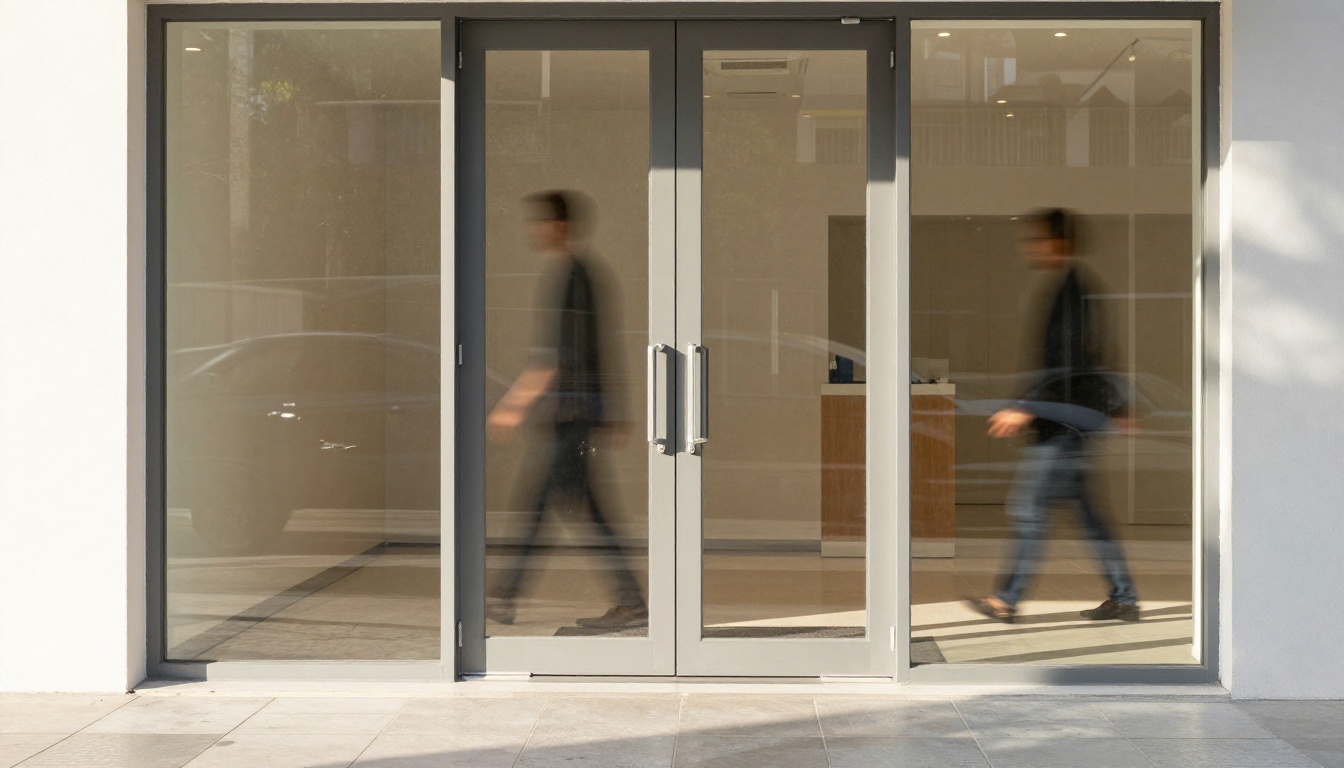
An automatic door can hurt you in one second and erase the best proof in the next. The sensor gets reset, the floor gets cleaned, and the video starts counting down.
As of March 2026, Florida doesn’t publish a simple statewide count for automatic pedestrian door injuries. That means your claim will rise or fall on proof from the scene. If you’re weighing automatic door injury claims, act fast and document everything before the property changes.
What you have to prove after an automatic door injury
Most Florida automatic door injury claims fall under premises liability and negligence. A store, hospital, hotel, apartment complex, or office lobby must use reasonable care to inspect doors, repair defects, and warn people about known dangers.
The injury alone isn’t enough. You usually need to show that a dangerous condition existed, the property controller knew or should have known about it, the door caused the injury, and you suffered real losses.
That notice issue often decides the case. A door that closed too fast, failed to reopen, trapped a hand, or swung into a customer may point to bad maintenance, a broken sensor, or a recurring problem. If staff had prior complaints, missed inspections, or a recent repair request, the claim gets stronger.
If the door was fixed the same day, your photos and records may become the only proof left.
Florida’s Chapter 768 negligence provisions shape fault, damages, and deadlines. In many cases, your recovery can drop if you share blame, and it may be barred if you’re more than 50 percent at fault. For the broader rule in plain English, this guide to Florida premises liability duty of care explains the basics. It also shows why control of the property matters as much as ownership.
Some door cases involve extra safety rules. If the injury came from an elevator door or another lift system, Florida elevator safety laws may matter along with the negligence claim.
The proof checklist that carries most claims
Think of the door as a machine witness. It leaves traces in video, service logs, error reports, and damage at the scene. The strongest cases collect those traces before someone repairs the problem and says nothing was wrong.
Save these items before the property changes
This quick table shows the proof that usually matters most.
| Evidence | What it can prove | Common example |
|---|---|---|
| Photos and video | The door’s position, warning signs, lighting, and damage | A swinging door strikes a customer in the sensor zone |
| Surveillance footage | How the incident happened and whether staff knew of the issue | Employees see the door stick earlier that day |
| Incident report | The time, place, and first explanation from staff | Manager notes the door had been “acting up” |
| Maintenance records | Prior repairs, inspection gaps, or repeat failures | Work order for a sticking track from last week |
| Witness statements | Earlier complaints or what the door did | Another customer saw the door strike two people that day |
| Medical records | That the door event caused the injury | Same-day urgent care visit for shoulder and wrist pain |
| Clothing and personal items | Physical proof of impact | Torn sleeve, broken glasses, bruising photos |
The takeaway is simple. You want proof of the defect, proof of notice, and proof of injury.
Start with wide photos. Then get close shots of the sensor area, track, threshold, warning stickers, and any blood, torn fabric, or broken items. If the door hit you and knocked you down, photograph the ground too. A wet entry, loose mat, or raised threshold may be part of the story.
Next, report the incident before you leave if you can. Ask for the manager’s name, the report number, and a request to preserve all video. The same steps that help people get an incident report quickly after a premises accident can help lock down the facts here too.
Also ask whether the door has a recent service history. Many businesses use outside contractors, and those records can show a pattern of trouble. Photograph any service sticker or inspection label if you can do so safely. If an employee says, “It does that all the time,” write it down right away. Small comments like that can matter later because they show notice.
Mistakes that can sink a strong claim
Good automatic door injury claims can weaken fast after one bad step. The biggest mistake is waiting. Video may be overwritten in days, and a repair can wipe out the defect that hurt you. Even though many negligence cases have a two-year filing window in Florida, the proof often fades long before that.
Another common problem is guessing. Don’t fill in blanks about how long the door had been broken or why it closed. Say only what you know. Clear facts beat a confident guess every time.
Use the first 24 hours well:
- Report the incident and ask for written confirmation.
- Photograph the door, the area around it, and your injuries.
- Get witness names and phone numbers before people leave.
- Keep your clothing, shoes, and damaged items unchanged.
- Get medical care the same day, or as soon as you can.
Medical care matters for more than health. It also ties the event to the injury. If you wait a week, the defense will argue something else caused your pain. Keep every bill, prescription, mileage log, and work-loss record. If the case moves forward, recoverable injury damages in Florida may include medical costs, lost income, and pain tied to the incident.
Be careful with recorded statements and social media, too. A quick “I’m okay” at the scene can look bad later. So can photos that make you seem unhurt. Let the records tell a clean, steady story.
Fast action gives proof a fighting chance
Automatic door injury claims are rarely won by anger alone. They are won by proof that survives after the door is reset, repaired, or replaced.
If a door hit you, trapped you, or failed to reopen, move fast. Get medical care, preserve the scene, and have the records reviewed before the video loops over itself.