
Florida PIP 14-Day Rule After a Crash: Why Where You Get Care Matters
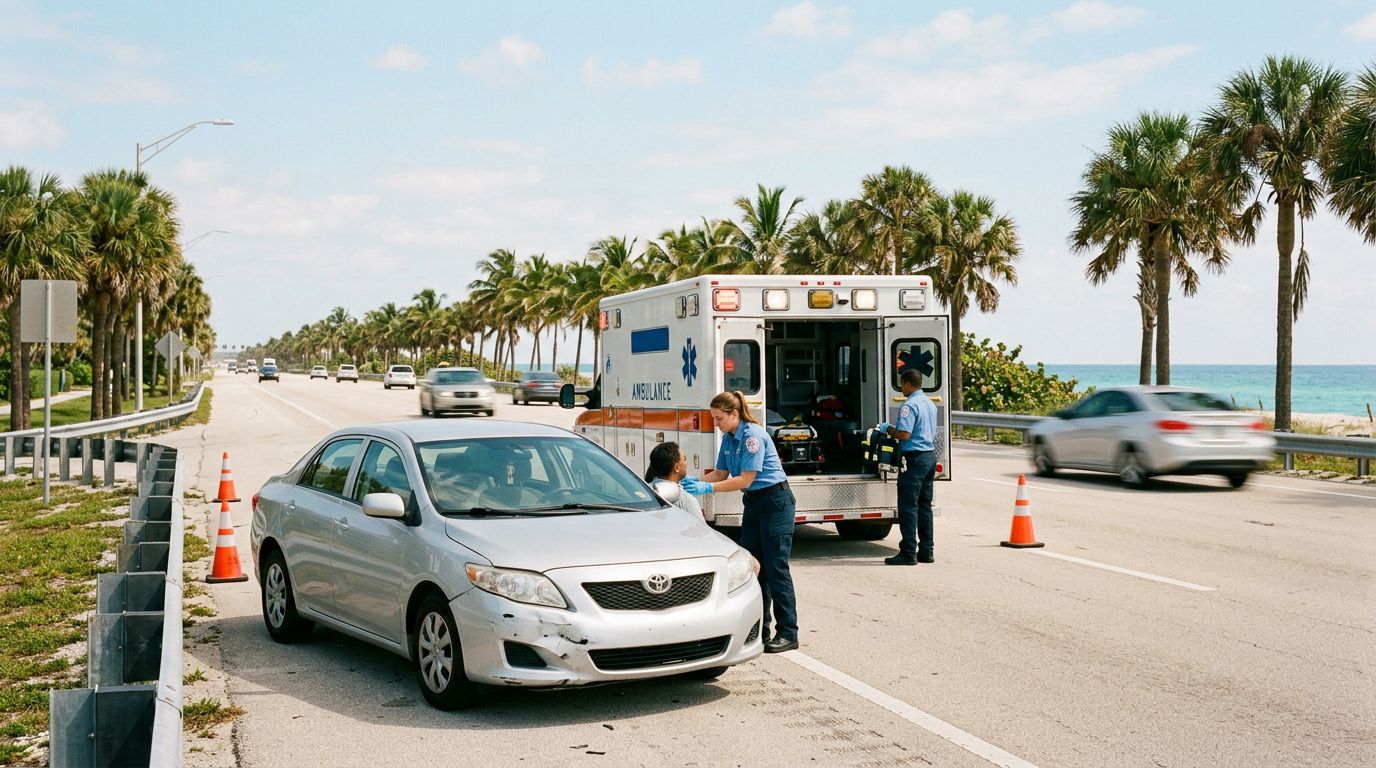
A car crash can leave you shaken, sore, and unsure what to do next. In Florida, that first medical visit can shape your PIP claim more than many people realize.
The Florida PIP 14-day rule is strict, and the type of care you get matters just as much as the date on the calendar. If you choose the wrong place, or the wrong type of visit, you can run into a benefits problem before your treatment even gets started.
Florida law spells this out in section 627.736, and insurers use it every day when they review claims. That is why the first step after a crash should be a smart one, not a rushed one.
The 14-day clock starts right away
The rule is simple on paper. After a crash, you must get initial medical care within 14 days if you want PIP benefits for the accident.
That does not mean you need surgery or a long treatment plan right away. It means you need a qualifying medical visit that connects your injuries to the crash. If you wait too long, the insurer can deny PIP benefits tied to that accident.
Many people delay care because they feel “fine” at first. Others hope the pain will fade on its own. That can be a costly mistake, because soft-tissue injuries often show up later. A neck strain, back pain, headache, or numbness may take hours or days to settle in.
The deadline matters because it protects the claim at the start. Once the clock runs out, the fight gets harder. If you want a deeper look at how the deadline and the injury proof work together, see Florida 14-day rule and EMC requirements.
A late diagnosis can create an expensive problem. The right first visit can prevent it.
Which providers usually count under Florida PIP
Not every place that offers pain relief will satisfy the 14-day rule. The visit has to count as initial medical care, and the provider has to be one the law recognizes.
Here is a quick comparison that helps show the difference:
| Care setting | Usually counts for initial PIP care? | Why it matters |
|---|---|---|
| Emergency room | Yes | It creates an early medical record tied to the crash |
| Urgent care | Yes, if the visit is documented correctly | It can satisfy the deadline and document symptoms fast |
| Primary care doctor | Yes | It gives you a medical record and next-step plan |
| Chiropractor | Yes for initial treatment | It can count toward the 14-day rule |
| Dentist | Yes, for crash-related facial or jaw injuries | It can support a claim tied to trauma |
| Massage therapy alone | No | It does not count as qualifying initial treatment |
| Acupuncture alone | No | It does not satisfy the rule by itself |
The takeaway is clear. The visit has to be medical care, not just comfort care. A massage may help you feel better, but it does not start the PIP clock in a way the insurer needs.
The setting also matters because good records matter. If the provider writes down the crash date, your symptoms, and the parts of your body that hurt, the claim is easier to support later. If the notes are vague, the insurer may use that gap against you.
Why the first provider you see can change the claim
A car accident claim is part medical, part paper trail. You can have real pain and still lose ground if the record is weak.
For example, suppose you go to urgent care three days after a rear-end crash. You report neck pain, headaches, and shoulder stiffness. The provider notes the crash date and gives you a follow-up plan. That kind of visit usually helps show that you met the 14-day rule.
Now picture a different route. You wait 12 days, then go to a spa for massage only. A week later, you see a doctor because the pain got worse. The insurer may argue that the first visit did not count, even if you were hurting the whole time.
That is why where you go matters, not just when you go. The best first visit is the one that checks three boxes:
- It happens within 14 days.
- It is with a qualifying medical provider.
- It clearly links the symptoms to the crash.
Documentation matters too. Tell the provider the accident date, how it happened, and what hurts. Do not soften the description. If your back spasms when you bend, say that. If you have tingling in your arm, say that too.
The EMC diagnosis can open the full benefit amount
Getting care within 14 days is only part of the story. In many cases, the next issue is whether a provider finds an Emergency Medical Condition, often called an EMC.
An EMC finding can affect how much PIP pays. Without it, benefits may be capped. With it, the available coverage can be broader. That difference matters when the bills start piling up.
Not every provider can make that EMC call. Chiropractors can treat crash injuries, but they cannot diagnose an EMC. That finding usually comes from a medical doctor, osteopathic doctor, dentist, physician assistant, or nurse practitioner.
If you want a more detailed breakdown of that issue, the article on legal options after missing the 14-day injury deadline also helps explain what happens when timing becomes a problem.
The practical lesson is simple. Your first provider may get you into the system, but the EMC process can shape the ceiling on your benefits. If your injury is serious, make sure the record includes a clear medical assessment, not just a pain complaint.
What if pain shows up late or you already missed the window?
Some crash injuries do not announce themselves right away. You may leave the scene sore but functional, then wake up two days later with worse pain. That happens often.
The problem is that Florida PIP is driven by deadlines, not sympathy. If you missed the 14-day window, your insurer may deny the PIP claim. Still, that does not mean you should stop there.
You may have other paths, depending on the facts. Health insurance may cover some care. A bodily injury claim against the at-fault driver may also be possible. If you already have a treatment delay, the records and dates matter even more.
The key is to act fast once you realize there is a problem. Do not wait another week hoping the paperwork will sort itself out. Every new day can make the file harder to explain.
You should also keep the paperwork from every visit. Save discharge papers, referrals, imaging orders, work notes, and billing statements. These records can show the injury pattern, even if the first visit was not perfect.
If you are unsure whether your first appointment counted, get the answer before the insurer makes it for you. Florida’s no-fault rules leave little room for sloppy records, and a small mistake can affect the whole claim.
Conclusion
After a Florida crash, the first medical visit is more than a box to check. It can decide whether PIP pays, how much it pays, and how hard the claim becomes later.
That is why the Florida PIP 14-day rule is really about two things, timing and provider choice. Get seen quickly, choose a qualifying medical provider, and make sure the records tie your injuries to the crash.
When the clock is already running, the safest move is to treat that first visit like the start of the claim, because that is often exactly what it is.