
Florida Dog Bite Claims at Vet Clinics: Camera and Intake Records
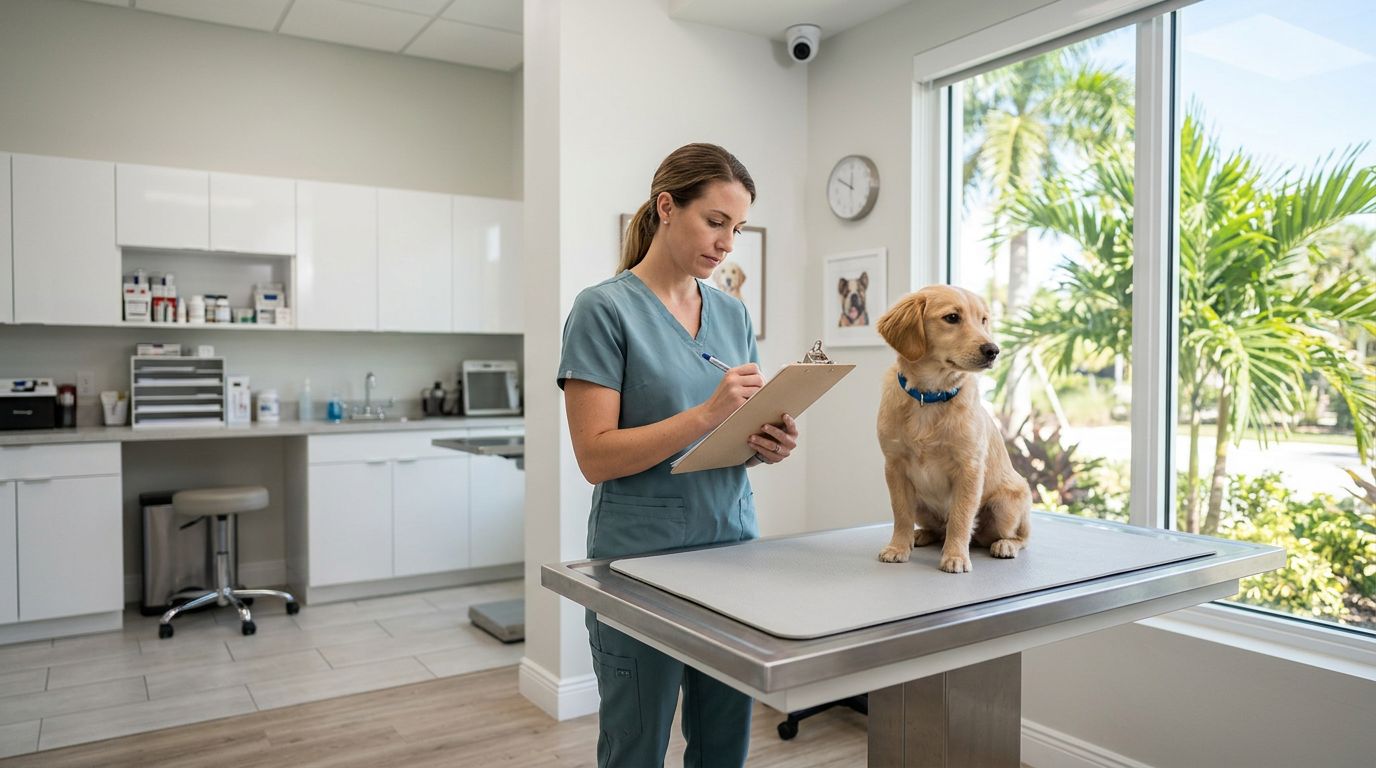
A dog bite at a veterinary clinic can turn into a paper trail case fast. Cameras, intake forms, and treatment notes often say more than memory does.
That matters in Florida dog bite claims because the facts can decide who pays, what happened, and whether the injury was avoidable. If the bite happened at a clinic, the records may disappear before anyone realizes how important they are.
The first hours matter. Once the footage is gone or the notes are incomplete, the story gets harder to prove.
Why veterinary clinic records matter in a Florida dog bite claim
Florida law gives bite victims a real path to recovery. Under Florida Statute § 767.04, a dog owner can be liable when the bite happens in a public place or while the injured person is lawfully on private property.
That point matters at a veterinary clinic. Clients, employees, delivery workers, and invited visitors are often there lawfully. In other words, the setting does not defeat the claim by itself.
Florida’s dog bite rule is also broader than many people expect. If the dog never bit before, that does not automatically protect the owner. A clear explanation of those rules is available in Florida dog bite liability rules, and it helps show why evidence from the clinic can matter so much.
Vet clinic records often answer questions that turn into arguments later. Was the dog on a leash? Was it muzzled? Did staff warn anyone to step back? Did the owner hand the dog over calmly, or was the dog already tense?
Those details can help when the owner says the bite was provoked. They can also help when someone claims the injured person should not have been near the dog. A camera angle or an intake note can settle those disputes quickly.
The clinic may also become important if staff handled the dog in a careless way. That is a separate issue from the owner’s liability, but it can affect the claim. The facts decide that question, not assumptions.
What camera footage can prove, and where it falls short
Camera footage is often the sharpest piece of evidence in a vet clinic bite case. It can show the bite itself, the seconds before it, and the immediate reaction after it happened.
That footage may reveal who was holding the dog, whether the dog lunged, and whether anyone ignored warnings. It can also show the layout of the room, the distance between people, and whether the injured person had time to react.
In many cases, the video helps with a provocation defense. If the dog snapped while standing still, that is one story. If someone grabbed the dog or cornered it after repeated warnings, that is a different one. The camera often settles the timeline.
A camera clip can end an argument, but only if someone saves it before the system records over itself.
Footage is still limited. Many systems do not capture every exam room. Some have blind spots. Others store video for only a short time. Sound may be missing, and some clips are too grainy to show hands, leashes, or muzzle placement.
This is why a quick request matters. If the clinic keeps a security system, ask for preservation right away. Do not wait until the insurance company starts asking questions.
A simple comparison shows why this evidence matters:
| Evidence | What it can show | Why it helps |
|---|---|---|
| Security footage | The bite sequence, body movement, and immediate aftermath | Confirms what actually happened |
| Waiting room video | Who entered, where the dog was, and whether warnings were given | Helps with timeline and conduct |
| Staff notes | What employees saw and heard | Supports or challenges witness accounts |
| Incident report | The clinic’s own summary | Shows how the event was described internally |
The takeaway is simple. Footage is powerful, but only if it is preserved before routine deletion wipes it out.
Intake records often tell the rest of the story
Intake records can be just as important as video. They may look routine, but in a dog bite claim they can carry real weight.
A good intake file may include the owner’s name, the dog’s breed and color, vaccination status, behavior notes, and the reason for the visit. It can also show whether the dog had a history of aggression, whether staff marked it as nervous, or whether the owner mentioned prior incidents.
That matters because it can explain what the clinic knew before the bite. If the dog arrived already agitated, the intake sheet may reflect that. If the owner warned staff that the dog “doesn’t like strangers,” the note may help later.
Treatment notes matter too. They show the location of the bite, the size of the wound, the care given, and any follow-up instructions. Those details support both the injury claim and the medical proof.
If the bite raises rabies concerns, the public health side matters as well. The Florida Department of Health has guidance for veterinary professionals about reporting suspected rabid animal exposures. That kind of reporting can become part of the record trail when a bite occurs in a clinic setting.
Intake and medical records also matter when you deal with how insurance companies handle dog bite claims. Adjusters want a clean paper trail. They look for the first complaint, the first treatment, and the first description of how the bite happened.
The cleaner the records, the harder it is for an insurer to argue that the injury was minor or unclear. That can make a real difference in settlement talks.
How to protect the evidence after the bite
The best evidence means little if it disappears. After the bite, the goal is to lock down the facts before anyone edits them away.
Start with medical care. Then report the incident to the clinic manager and the dog owner. Ask that the security footage, intake records, incident reports, and staff notes be preserved.
If possible, get the names of everyone who saw the bite. That includes veterinarians, technicians, reception staff, and any witness in the waiting room. Small details can matter later, and people forget quickly.
A short paper trail from your side helps too:
- Take photos of the wound, the scene, and torn clothing.
- Save text messages, emails, and voicemail messages about the incident.
- Write down the time, place, and the words staff used.
- Keep every discharge note, prescription, and follow-up instruction.
- Ask a lawyer to send a preservation letter if the clinic hesitates.
That last step matters because a formal request can stop routine deletion. It is also useful if the owner tries to shift blame. If the dog had no prior bite history, strict liability for first-time dog bites may still apply, so the facts at the clinic matter even more.
A veterinary clinic bite case can move in two directions at once. One path looks at the owner’s liability. The other looks at the clinic’s records and safety steps. Strong evidence keeps both paths open.
What the records can prove
Florida dog bite cases at veterinary clinics often turn on small details. A camera angle, a handwritten note, or a missed warning can change how the claim looks.
The strongest cases usually have three things, a clear timeline, preserved video or records, and prompt medical proof. When those pieces line up, it becomes much harder for anyone to rewrite what happened.
If a bite happened at a clinic, treat the footage and intake file like urgent evidence. They may be the difference between a disputed story and a provable claim.