
Florida Road Rage Crash Claims and the Evidence That Can Prove Them
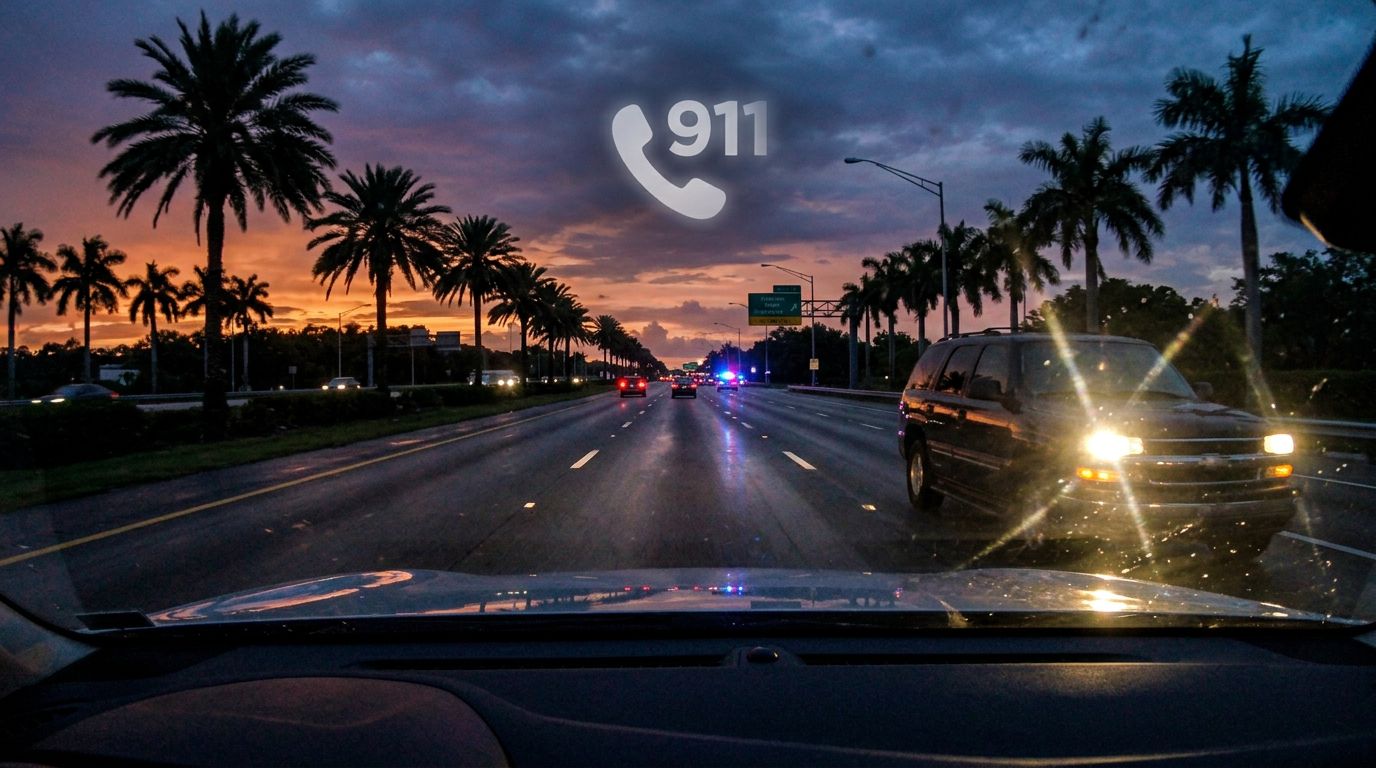
A road-rage crash can turn a normal drive into a legal fight in seconds. In Florida, the strongest Florida road rage claims often depend on two things, dashcam footage and the 911 call that followed.
Those records matter because aggressive driving cases often become a story battle. One driver says they were cut off. The other says they were chased, brake-checked, or boxed in. The right evidence can cut through that noise.
Why road rage crashes need stronger proof
Florida road rage claims are rarely clean and simple. The case may involve reckless driving, tailgating, sudden lane changes, threats, or intentional contact. Sometimes the crash looks ordinary at first, but the lead-up tells a very different story.
That lead-up matters because it can change who is at fault and how serious the conduct looks. A rear-end crash may still be a road-rage case if the driver behind was following too closely after an argument. A sideswipe may look accidental until a dashcam shows the other car weaving toward you.
Insurers look for clear facts. Jurors do too. A calm record carries more weight than a heated memory days later. That is why these claims often turn on the first minutes after the crash, not just the impact.
If you were targeted or forced off the road, the best evidence shows the whole sequence. The driver who closed the gap, sped up, or kept pace beside you may try to rewrite the scene later. Video and 911 records make that harder.
What dashcam footage can prove in a Florida road rage crash
Dashcam footage can show more than the final collision. It can show speed, following distance, lane changes, turn signals, brake-checking, and whether another driver kept closing in. In a road-rage case, those seconds before impact often matter most.
It can also capture the driver’s conduct after the crash. That may include yelling, threats, or a refusal to stay put. A jury may view that behavior as part of the larger story, not as an afterthought.
The original file matters more than a cleaned-up clip sent by text.
Florida generally allows dashcams on public roads, and video can be used if it is relevant and authentic. Keep the original file, the memory card, and any cloud backup. Do not trim it, add text, or edit the sound before legal review.
Audio needs extra care. Florida’s audio rules are stricter than its video rules, so a dashcam that records voices can raise a separate issue. If the footage includes an argument, a threat, or a private conversation, ask a lawyer before sharing it with an insurer.
For a state resource on crash paperwork, the Florida crash report guidance is a useful starting point. The report is not the whole case, but it helps anchor the time and location.
How the 911 call supports the claim
A 911 call creates a near-live record of what happened. It can show when you reported the crash, what you said first, and how you sounded. If you were scared, injured, or being followed, that reaction can support the rest of the file.
Dispatch records can also help show who was contacted first and how the scene was handled. If you reported that another driver was speeding away, making threats, or forcing you to stop, that detail may matter later. The point is not to make a perfect statement. The point is to report the danger quickly and clearly.
Keep your words tight when you call. Give your location, tell the dispatcher if anyone is hurt, and describe the other vehicle in plain language. Skip guesses. Skip blame. Let the recording show urgency, not confusion.
A simple call often helps more than a long one. Say what you saw. Say where you are. Say whether you need police or medical help.
- Give the exact location if you can.
- State whether anyone is injured.
- Describe the other driver’s vehicle and direction.
- Mention threats, pursuit, or aggressive driving.
- Ask for police and medical help if needed.
That first report can become a strong piece of the claim because it was made before memories settled into a story.
How dashcam and 911 evidence work together
A good claim does not rest on one record alone. The video shows motion. The 911 call shows timing and reaction. Put together, they can tell a stronger story than either one can tell by itself.
If the dashcam shows a tailgater closing in, and the 911 call comes seconds later, the timeline becomes harder to dispute. If the audio captures a threat, that may support the idea that the crash was more than simple carelessness. If the caller sounded shaken, the recording can help explain why some details were missing in the moment.
This is where Florida road rage claims often gain strength. The dashcam may show who changed lanes first. The 911 tape may show that you reported the danger right away. When those facts match, the case looks less like a debate and more like proof.
The same is true when the records do not match perfectly. That does not kill the claim. It means a closer review is needed. People in shock miss details. A lawyer can sort out whether the gap is small, or whether it points to a bigger problem with the evidence.
What to do in the hours after the crash
The first hours after a road-rage collision are important. Small details fade fast, and digital files can disappear even faster. Handle the scene with care, then protect the records that may matter later.
- Move to safety and call 911.
- Save the dashcam file before the card is reused.
- Take photos of both cars, the road, skid marks, signs, and damage.
- Get witness names and phone numbers.
- Avoid arguing with the other driver.
- Get medical care, even if you feel sore but stable.
- Write down what you remember while it is fresh.
A short note can help later. Write down what the other driver did, what was said, and whether police or EMS arrived. A torn bumper can be fixed. A witness can leave. A good record can still hold the case together.
When a Florida injury lawyer should step in
Some crashes are simple fault disputes. Road-rage cases are not. If the other driver denies aggressive behavior, threatens you, or tries to shift blame, legal help should come early. A lawyer can ask for the full dashcam file, preserve the 911 records, and deal with insurers before evidence fades.
That matters even more when there are serious injuries, multiple cars, or a hit-and-run. It also matters when the other side says the video was edited or the audio was unfairly clipped. Those arguments can grow fast if the file is not handled correctly.
If you need focused help after a crash, Florida car accident lawyers can review fault and insurance issues. When the crash caused broader losses, Florida personal injury attorneys can look at medical bills, lost wages, and pain and suffering together.
The sooner that review starts, the better. Evidence is fragile, and road-rage cases often turn on what can still be proven, not what someone remembers later.
Conclusion
Road-rage crashes are won with proof that tells a clear story. Dashcam footage shows what happened on the road. The 911 call shows what you reported in real time. Together, they can cut through blame and guesswork.
If you are dealing with Florida road rage claims, preserve the file, keep the call record, and get help before the evidence gets thin. In these cases, the first version of events often matters most.