
Florida Workers Comp for Needlestick Injuries in Healthcare
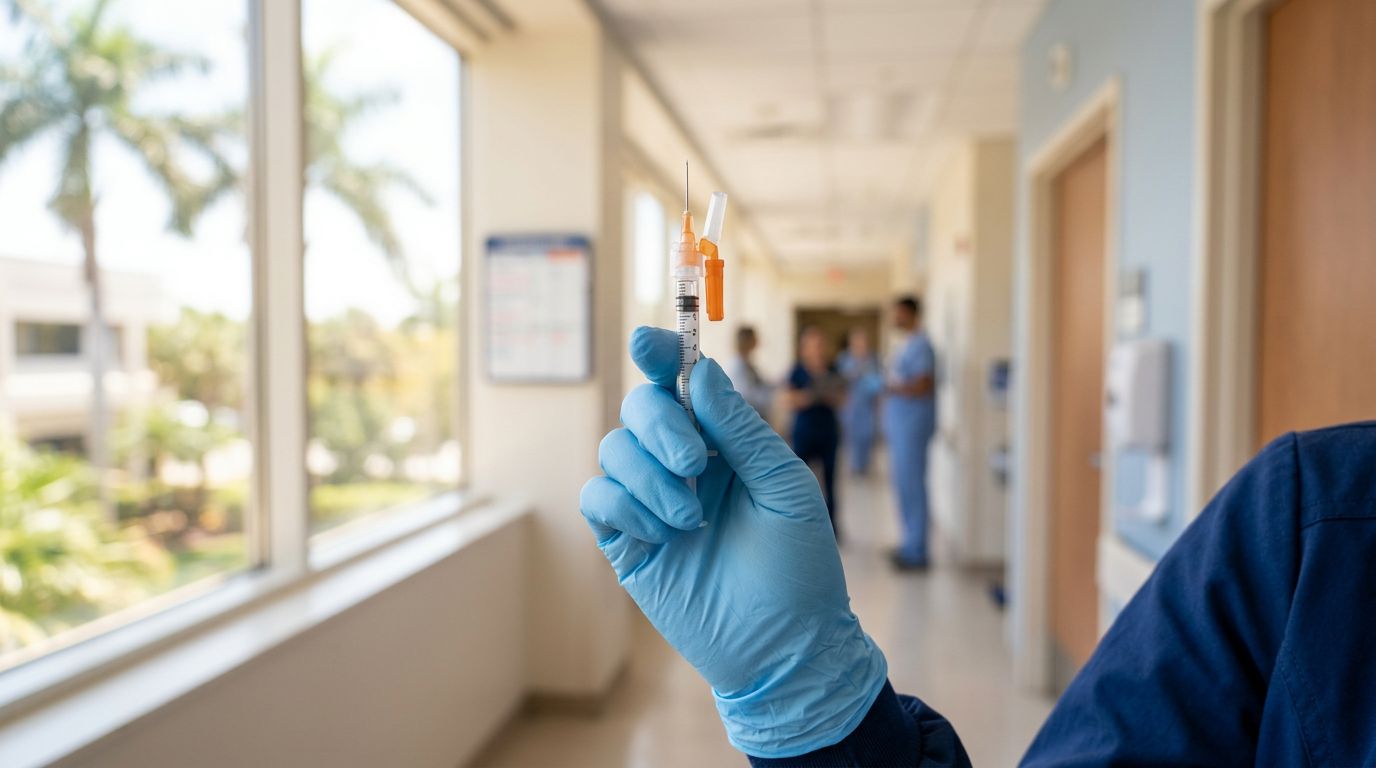
People searching for Florida needlestick workers comp usually want one clear answer after an exposure at work. A single puncture can lead to blood tests, prescription medicine, follow-up visits, and days of worry. In a hospital or clinic, that can also mean shift changes, incident reports, and calls to employee health.
The good news is that a needlestick injury may qualify for workers’ compensation when it happened because of your job. The hard part is proving it cleanly, and the first hours matter more than most people expect.
When a needlestick injury qualifies for workers’ compensation
A needlestick claim usually starts with a simple question, did the exposure happen during work duties? If the answer is yes, the injury may be covered.
That includes many common health care tasks. Patient injections, IV starts, phlebotomy, lab handling, sharp disposal, room cleanups, and waste handling can all create exposure risk. Even a small puncture can qualify if it happened in the course of your job.
Florida law also recognizes work-related illnesses and exposures under Florida Statute 440.151. That section focuses on whether the condition grew out of the nature of the work. In plain terms, the exposure must connect to your job duties, not a random event outside work.
The strength of a needlestick claim often comes down to one thing, a clear work connection.
For a broader look at how the system works, see Florida workers’ compensation basics.
What workers’ comp may pay after exposure
After a reported needlestick, workers’ compensation may cover the care tied to the exposure. That often includes emergency treatment, urgent care, blood tests, and follow-up testing. It can also include vaccines or prescription medicine, depending on what the doctor orders.
In some cases, the doctor may recommend hepatitis B treatment or HIV post-exposure medicine. Those decisions depend on the source patient, the type of exposure, and your test results. The claim should follow the medical plan, not the other way around.
Possible benefits may include:
- Medical visits for the initial exam and later follow-up
- Lab testing for bloodborne illness exposure
- Prescription medication ordered after the injury
- Vaccines or boosters if the doctor recommends them
- Wage replacement if you miss work and meet the rule requirements
The Florida Department of Health explains that sharps exposure needs quick attention. Its needlestick and sharps exposure guidance says workers should report exposure right away and get care fast. That advice fits workers’ compensation claims too, because delays make the record weaker.
What to do in the first 24 hours
Fast action protects both your health and your claim. The safest move is to treat the exposure as real from the start, even if the puncture looks minor.
- Wash the area right away with soap and water.
- Report the incident to your supervisor or charge nurse.
- Follow your hospital or clinic exposure policy.
- Get evaluated by employee health, urgent care, or the approved provider.
- Save every record, including lab slips, prescriptions, and incident reports.
Florida usually gives injured workers a limited time to report a workplace injury, and same-day notice is the smartest choice. Waiting can create avoidable problems later. A quick refresher on filing steps is available in workers’ compensation claim process questions.
Report first, sort out the paperwork second. Delays help insurers question the claim.
Keep the names of the people you told. Write down the time, the location, and what device caused the injury. If the source patient is known, keep those test results with your records. Small details matter later.
Why claims get delayed or denied
Needlestick claims are often disputed on proof, not on the injury itself. The carrier may ask whether the exposure happened at work, whether the paperwork was done on time, and whether the medical chart clearly ties the injury to job duties.
A late incident report is a common problem. So is a vague note that says only “finger injury” or “possible exposure.” If the medical record does not say the puncture happened during patient care or while handling sharp instruments, the insurer may push back.
Documentation makes a big difference here. Keep copies of:
- the incident report
- employee health records
- source patient testing, if available
- lab orders and results
- prescriptions and after-visit instructions
- any witness names
Most Florida employers must carry coverage, and that includes many health care facilities. A clear overview of Florida workers’ comp insurance requirements helps explain why the fight is usually about acceptance of the claim, not whether coverage exists at all.
If the carrier says the injury could have happened somewhere else, strong records help close that door. The cleaner the paper trail, the harder it is to rewrite the story later.
Special risks for hospital and clinic staff
Hospital and clinic workers face repeated exposure risk. Nurses, medical assistants, phlebotomists, dental staff, lab workers, and urgent care teams all handle sharps in fast-moving settings. That makes needlestick prevention important, but it also makes reporting even more important.
A shift can move quickly. One person cleans a room, another disposes of waste, and a third handles patient care. If the injury is not reported right away, details blur. That is one reason these claims can become harder than they should be.
The injury itself may be small, but the follow-up can take weeks. You may need repeat blood work, medication checks, and work restrictions. You may also need time away from patient care while the doctor watches for signs of infection. That can affect pay and scheduling, so every note from the treating provider matters.
A good claim file should answer three questions without guessing. What happened? When did it happen? Why was the exposure tied to the job? If those answers are clear, the claim is in a much better position.
For that reason, clinics and hospitals should treat every puncture seriously. A tiny needlestick is not tiny on paper, especially when bloodborne illness testing is part of the picture.
Conclusion
A needlestick injury can start with one brief moment and turn into weeks of testing and stress. In Florida, the strongest workers’ compensation claims begin with quick reporting, prompt medical care, and records that clearly show the exposure happened at work.
If you work in a hospital or clinic, don’t wait for symptoms to tell you the injury matters. The claim starts with the exposure, and the paperwork starts right away.
Florida needlestick workers comp works best when the facts are clear, the timeline is tight, and the medical record matches the job risk.