
Florida Hit-and-Run Claims: UM Notice and Camera Proof
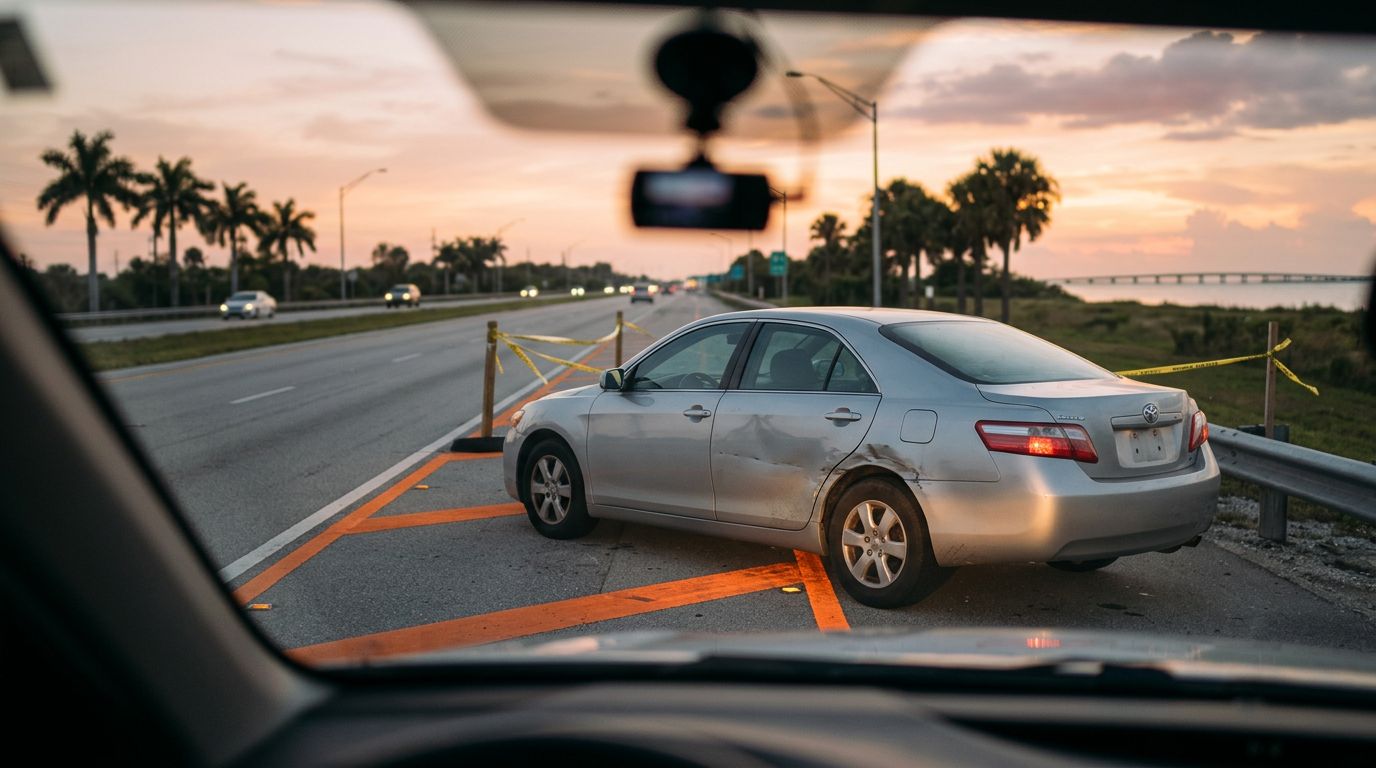
A hit-and-run leaves you with more than a dented car. It also leaves you with a race against time, because the driver is gone and the best evidence can disappear fast.
In Florida, uninsured motorist coverage can help when the other driver has no insurance or cannot be found. But a strong claim depends on two things, prompt notice to your own carrier and proof from cameras, witnesses, and records.
Why UM coverage matters after a Florida hit-and-run
Florida’s no-fault system gives you PIP coverage first. PIP can pay part of your medical bills and lost wages, no matter who caused the crash. That helps, but it rarely covers the full cost of a serious injury.
UM coverage fills an important gap if you bought it. In a hit-and-run, it may apply when the at-fault driver cannot be identified. It can help with medical bills, lost income, and pain and suffering. It usually does not pay for car repairs, so collision coverage or uninsured motorist property damage may matter too.
That mix matters because many people assume a missing plate means no claim. That is not true. If you have UM and the crash can be proven, your own policy may step in. If the driver is found later, you may also have a claim against that driver’s insurance.
Some policies treat injury and property damage differently, so the repair path may not match the injury claim. That is one reason early reporting matters. It keeps every possible coverage in play while the facts are still fresh.
When a claim starts to look disputed, Florida car accident attorneys can help sort out coverage and keep the file moving.
Give UM notice quickly and keep it in writing
Your own insurer needs to hear about the crash as soon as you can report it. Say that it was a hit-and-run, give the time and place, and ask for a claim number. If police responded, include the report number. If you have injuries, say so.
A phone call is a start, but written notice is better. Email, portal messages, or letters create a paper trail. Save every confirmation, every voicemail, and every name you are given. Small details matter when the claim is reviewed later.
A simple early report can follow this pattern:
- Tell the insurer the crash was a hit-and-run.
- Give the basic facts, including date, location, and police report information.
- Send photos, medical updates, and any witness names in writing.
Do not wait until the file is perfect. The insurer does not need a finished case to open the claim. It needs notice. If you delay, the company may argue that it lost the chance to investigate while the evidence was still fresh.
Do not guess about injuries or downplay symptoms either. Report what hurts, what treatment you need, and when you first saw a doctor. If you miss work, save pay stubs and employer notes. Those details help show the size of the loss.
The first report often carries more weight than people expect, because it fixes the story before memories blur.
Once the claim is open, keep notes of every call and keep copies of treatment bills. If the adjuster starts asking for more than you have, organize the records before you answer. A clear file is easier to defend than a stack of loose papers. It also makes it easier to spot when the insurer is stalling.
Camera proof can turn a shaky claim into a strong one
Video is powerful because it shows what memory can miss. It can capture the impact, the fleeing car, the lane position, the time of day, and even part of a license plate. In a hit-and-run, that kind of proof can be the difference between a hard claim and a denied one.
The challenge is speed. Many systems overwrite footage fast, and business cameras are not kept forever. That is why someone should start looking for video right away.
A quick look at common camera sources helps frame the search:
| Camera source | What it may show |
|---|---|
| Dashcam | The impact, the road position, and the fleeing vehicle |
| Store or gas station camera | The car’s direction, color, damage, or plate detail |
| Apartment or neighborhood camera | The street view before and after the crash |
| Traffic camera, if available | The intersection, signal timing, or the route the other driver took |
That footage can also support the police report and your UM claim. Even partial video helps. A rear bumper shot, a corner of a plate, or the wrong-side turn of a fleeing car can matter.
Business owners and property managers often keep footage for a short time. Some systems overwrite within days. Because of that, a preservation request should go out quickly, before the file is erased. A day can matter more than people expect.
If you are trying to preserve video, ask for a copy instead of waiting for a callback. If the business will not release it without a formal request, a lawyer can send a preservation letter before the file is erased. That step is often simple, but it can save the claim.
The rest of the evidence still has to line up
Camera proof is strong, yet it rarely stands alone. Insurance companies look for a full picture, so the rest of the file should match the video and the crash report.
Police records matter because they lock in the time, place, and basic facts. Witness statements help because they can confirm the fleeing vehicle, the direction it went, or the fact that you did not cause the crash. Photos of the scene, your car, and visible injuries help too. Medical records then connect the crash to your treatment.
If you are organizing everything for a claim, the structure in this car crash demand package guide shows the kind of paper trail insurers expect to see. The idea is simple, keep the proof in one line from crash to treatment to damages.
A few items often make the file stronger:
- The 911 call or dispatch record, if available
- The police report and case number
- Photos of skid marks, debris, and damage
- Names and phone numbers for witnesses
- Doctor visits, prescriptions, and therapy notes
- Repair estimates or tow bills
This is where consistency matters most. If the report says the other car struck your rear bumper, your photos and medical notes should support that story. If they do not, the insurer may look for reasons to question the claim.
If no camera footage exists, the claim can still move forward. Consistent witness accounts, repair records, and treatment notes can fill the gap. What matters is that the story stays the same from scene to doctor to insurer.
When a claim needs legal help
Some hit-and-run claims stay simple. Others turn into long fights over notice, coverage, or proof. That usually happens when the insurer wants more records, but gives little guidance on what it still needs.
Legal help matters most when the driver is still unknown, the video is in someone else’s hands, or the injuries are serious. An attorney can track the notice issue, request footage, compare coverages, and push the insurer to deal with the claim in good faith. That can save time when the evidence window is closing.
It also helps when the policy language gets messy. UM, PIP, collision, and possible property damage coverage do not always work the same way. A lawyer can sort through that and keep the claim pointed in the right direction. If you are already gathering records, that kind of help can keep the file organized and focused.
Conclusion
A Florida hit-and-run claim often turns on two things, notice and proof. Report the crash quickly, keep everything in writing, and save any camera footage before it disappears.
UM coverage can help when the driver cannot be found, but only if the claim is built with care. The sooner the evidence is secured, the harder it is for an insurer to question what happened.