
Florida Car Crash Claims When the Other Driver Claims a Medical Emergency
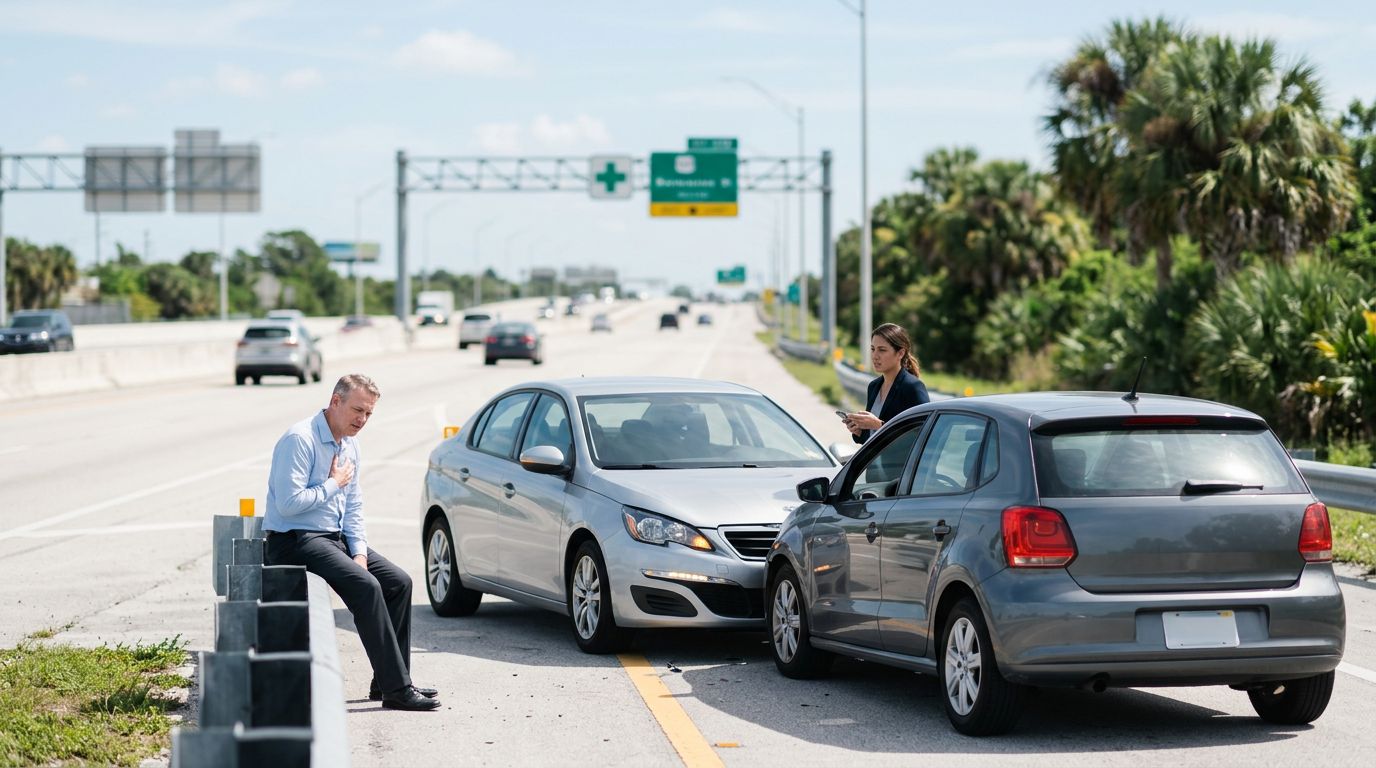
A crash is stressful enough. It gets harder when the other driver says they had a medical emergency. In Florida car crash claims, that explanation can affect fault, but it does not end the case.
The details, the timing, and the records still matter. If you were hurt, the strongest answer usually sits in the evidence, not in the first story someone tells at the scene.
What a medical emergency defense means after a Florida crash
When a driver says a seizure, fainting spell, heart attack, or another sudden event caused the wreck, they are trying to show they did not drive carelessly. In simple terms, they are arguing that the crash happened because they lost control, not because they chose to drive badly.
That can matter in a claim. Insurance adjusters may treat the wreck differently if the driver truly had no warning and no chance to react. A sudden loss of consciousness is not the same as driving while distracted, speeding, or ignoring symptoms.
Still, the defense only works when the facts support it. A known medical condition, missed medication, earlier warning signs, or a history of similar episodes can change the picture fast. So can unsafe lane changes, speeding, or phone use before the medical event.
A medical crisis may explain a crash. It does not decide the claim by itself.
That is why the other driver’s statement should be treated as one piece of evidence, not the final word. The real question is whether the emergency was sudden, unexpected, and beyond the driver’s control.
Why the facts before impact matter more than the excuse
The seconds before impact often tell the real story. Did the vehicle drift for a while, or did it cross the lane line all at once? Did a witness see confusion, slurred speech, or a driver who looked ill? Did the driver pull over, slow down, or try to warn anyone before the crash?
Those details help show whether the driver had time to react. They also help show whether the emergency was new or whether there were earlier signs. A driver who felt chest pain, dizziness, or numbness before entering traffic may face a very different claim than someone who blacked out without warning.
In Florida, fault does not turn on a dramatic phrase alone. It turns on proof. That proof may come from police notes, witness accounts, nearby video, vehicle damage, or later medical records. Even a small detail can matter, because a claim is often built like a puzzle. Leave out one corner, and the picture gets blurry.
If the driver had a known condition, recent treatment, or a medication change, that can become important. The same is true if the driver made statements at the scene that do not match the later version. Those differences are often where insurers focus first.
What to do right after the crash
Your first job is safety. Call 911 if anyone may be injured, and ask for law enforcement and medical help right away. If you can, take photos, note the location, and get witness names before people leave.
The early moves matter, and first steps after a Florida crash can help you protect the record before stories start to shift. That matters even more when the other driver already has an explanation for the wreck.
Do not argue about fault at the scene. People in pain or shock say things they later regret. Instead, stick to the basics, give accurate facts, and ask for a report number. If you feel any symptoms, get checked right away. Head pain, dizziness, neck pain, and stomach pain can show up later.
Also, write down what the other driver said, if anything. If they mentioned medication, fainting, a seizure, or chest pain, note the exact words. Small details often matter later because they help confirm what really happened in the moments before impact.
If the crash is serious, save damaged clothing, keep your medical visits, and follow treatment instructions. Gaps in treatment can give an insurer room to argue that the injury was minor or unrelated. Early consistency helps your claim stay steady.
Evidence that can weaken the defense
When the other driver blames a medical event, evidence becomes your best tool. The goal is not to guess about what happened. It is to build a record that shows how the crash occurred and whether the excuse holds up.
The most useful evidence often includes:
- Police reports that capture what officers saw and what the driver said.
- Witness statements from people who watched the vehicle before impact.
- Photos and video from the scene, nearby businesses, dashcams, or traffic cameras.
- Medical records that show symptoms, treatment, or prior warnings.
- Vehicle damage and road evidence that show speed, angle, and impact pattern.
If the driver had previous episodes, doctors’ notes or prescription records may also matter. So may statements made to police, EMTs, or medical staff. These pieces can show whether the emergency was sudden or whether the driver had reasons to stop driving earlier.
That is why gathering evidence for your car accident claim matters so much in the first hours and days. Evidence gets lost fast. Video is deleted. Witnesses forget. Cars get repaired. Once that happens, the defense gets easier to repeat.
Do not wait for the insurance company to collect everything for you. Insurers look for ways to narrow claims. Your side needs its own record, and it should start as soon as possible.
How insurers handle disputed Florida claims
Florida drivers usually start with their own no-fault benefits, including PIP coverage, for part of the medical costs. When injuries are serious, the claim can move beyond that and into a dispute over who should pay the rest. That is where the medical emergency defense becomes more than a talking point.
An insurer may ask for more records, more statements, or more proof that the crash was not a true emergency. It may also try to use the defense to reduce what it pays. If the other driver has bodily injury coverage, that policy may become part of the discussion too.
For a broader look at the paperwork and timing, our guide to Florida car accident insurance claims explains how a claim moves after a wreck. When fault is contested, the process usually slows down, because each side wants a clean record.
That delay can be frustrating, but it does not mean the claim is weak. It often means the insurer sees a defense and wants to test it. Your job is to keep the file organized, keep medical care consistent, and avoid statements that do more harm than good.
When a Florida lawyer should step in
A medical emergency defense can turn a normal claim into a fight over records, timing, and blame. That is when legal help can make the process easier to manage. An attorney can request records, speak with adjusters, and look for evidence that shows the driver had warning signs or other fault.
This matters most when injuries are serious, the police report is thin, or the insurer is leaning hard on the emergency explanation. It also matters when the driver’s story keeps changing. A claim should not be decided by the version that sounds best at the moment.
If you are recovering from treatment, your focus should stay on getting better. The legal file needs its own attention. A lawyer can help protect it while you do the harder part, which is healing.
Conclusion
The fact that another driver had a medical event does not end a Florida injury claim. It shifts the fight to proof, and proof is where scene evidence, witness statements, and medical records matter most.
If you were hurt, move quickly, keep your records clean, and treat the other driver’s explanation as something to test, not something to accept. The strongest claims are built on facts, and in a disputed crash, facts tend to outlast excuses.