
VA Scar Ratings in 2026: What Counts as Painful or Unstable Proof
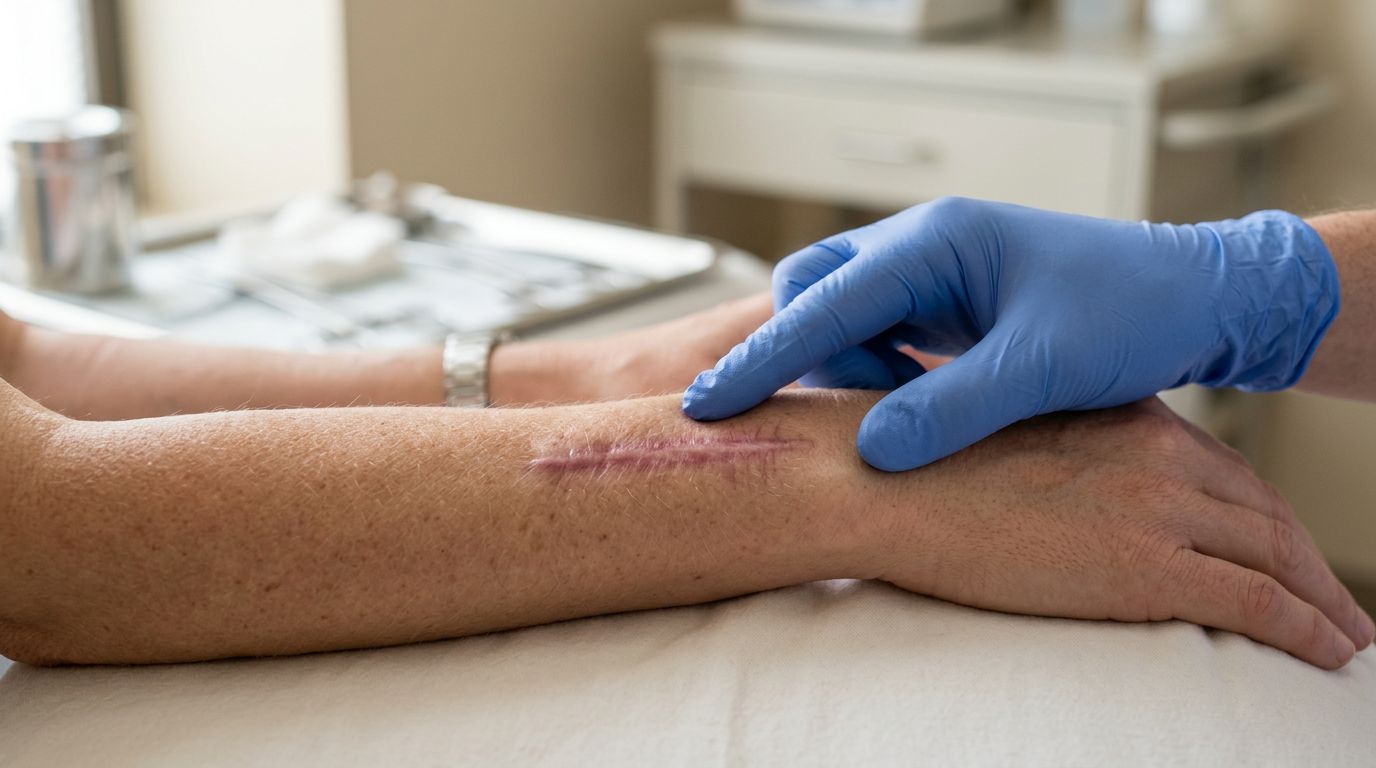
A scar can look small and still cause a real VA fight. Pain, skin breakdown, and the quality of your proof often matter more than the scar’s size.
If you’re trying to show a scar is painful or unstable in 2026, the VA wants records, not guesses. The strongest claims usually show when the problem started, how it acts now, and how often it shows up.
How VA scar ratings work in 2026
The current scar rules still focus on what the scar does, not just what it looks like. For painful or unstable scars, the VA looks at the number of scars that fit those descriptions.
That means one scar can matter just as much as several, but the rating scale changes as the count goes up. A scar can also be both painful and unstable, which can change the outcome.
The VA cares less about how dramatic a scar looks and more about what it does to you now.
A scar is painful when it hurts, stings, burns, or feels tender. A scar is unstable when the skin over it keeps breaking down, peeling, scabbing, or losing its covering.
The VA can rate scars under these rules even if they came from surgery, a burn, an injury, or another service-connected condition. What matters is the current symptom and the evidence behind it.
In some cases, a scar also affects motion, function, or a nearby nerve. When that happens, those effects may need their own review if the evidence supports them. The scar itself and the scar’s separate effects are not always the same thing.
The most common mistake is assuming the VA will see pain on its own. It usually won’t. The file has to show the symptom clearly enough for the rater to trust it.
What counts as painful scar proof
Pain proof starts with a simple question, can someone outside your own head see the problem in the record? The VA does not expect you to prove pain with X-rays. It does expect your notes to match your story.
A scar may be painful if it hurts when touched, rubs against clothing, pulls when you move, or burns in cold weather. Some veterans feel it more after a shower, during exercise, or when the area stretches.
The best proof usually comes from a mix of medical notes and consistent statements. If the scar was painful at your exam, say so plainly. If it hurts when a shirt collar touches it, write that down. If it wakes you up at night, include that too.
Useful proof often includes:
- Doctor notes that describe tenderness, burning, or pain to touch
- C&P exam findings that mention pain when the scar is pressed or examined
- Prescriptions, therapy notes, or follow-up visits tied to the scar
- Statements from a spouse, coworker, or family member who sees the pain in daily life
- Photos that show the scar area, especially if the pain follows surgery, trauma, or repeat irritation
A single sentence like “the scar hurts” can help, but it works better when the record gives detail. Say when it hurts, what sets it off, and what it keeps you from doing. That gives the VA something concrete to weigh.
Pain can be real even when the scar looks calm. Still, if the exam report says there is no tenderness, and your file has no other support, the claim gets weaker fast. Consistent records matter because they show the pain is not a one-day complaint.
If you already got a decision, how to interpret a VA rating decision letter can help you spot whether the VA missed the pain evidence or never addressed it at all.
What counts as unstable scar proof
Unstable scar proof is different because it is more physical and easier to document when the record is built well. The VA treats a scar as unstable when the skin keeps opening, peeling, scabbing, or losing its covering over and over.
That means the problem is not just irritation. The skin itself fails to stay closed or protected. A scar can be unstable even if the pain level is modest, and a painful scar can still be stable.
Look for records that show repeated breakdown. One urgent care visit may help, but repeat treatment is better. Photos taken over time can be very strong when they show the scar opening, crusting, draining, or reopening after healing.
Instability means the skin keeps breaking down. It is not the same as simple soreness or redness.
Strong instability evidence often includes wound care notes, dressing changes, antibiotic use, infection records, or surgeon follow-ups. If the scar reopens after friction, heat, or movement, write that down. The VA wants to know that the problem keeps returning.
This type of proof is especially useful when the scar is in a spot that gets rubbed a lot, such as the wrist, knee, chest, or ankle. Clothing, gear, and daily movement can all matter if they trigger breakdown.
Try to show a pattern. A photo from one bad day helps less than a few photos with dates. Likewise, a doctor note that says the scar has reopened several times usually carries more weight than a general complaint about a “bad scar.”
If you have both pain and breakdown, say both. That can matter under the current scar rules.
The 2026 rating levels for painful or unstable scars
The current rating schedule for painful or unstable scars is simple once you see the count. The VA looks at how many scars meet the painful or unstable standard.
Here is the basic setup:
| Number of painful or unstable scars | Typical rating |
|---|---|
| 1 or 2 scars | 10% |
| 3 or 4 scars | 20% |
| 5 or more scars | 30% |
| One scar that is both painful and unstable | Possible extra 10% |
The big surprise for many veterans is that the size of the scar does not drive this rating by itself. A small scar can qualify if it hurts or breaks down. A larger scar may not get the same result if there is no proof of those symptoms.
The VA also may add an extra 10% when one scar is both painful and unstable. That can raise the total rating beyond the base count alone, depending on the facts of the case.
This is why careful wording matters. If a scar is painful but stable, say that. If it is unstable but not very painful, say that. If it does both, your records should say both clearly.
The table helps with the scar-specific rating, but it is not the whole story. Other scar rules may apply if the scar affects function or creates visible disfigurement in certain areas. The best claim file shows the scar’s full effect, not just one symptom.
Evidence that gives a scar claim real weight
A strong scar claim is usually built like a timeline. The records show the injury, the treatment, the healing, and the problem that kept coming back. That pattern is hard to ignore.
The cleanest files often include a mix of medical proof and everyday proof. Medical notes show what a doctor saw. Lay statements show what the scar did in real life.
A solid file often has these parts:
- Treatment notes that describe pain, tenderness, reopening, scabbing, or drainage
- Photos taken at different times, not just one image
- Statements from people who saw you deal with the scar at home or at work
- Exam reports that match what you reported
- Proof of repeat visits, wound care, or medication tied to the scar
The goal is not to overload the VA with paper. The goal is to make the story easy to follow. A rater should be able to see the same problem showing up in more than one place.
It also helps to describe the impact in plain terms. If the scar makes you avoid certain clothes, limits movement, or keeps you from sleeping on one side, say that. If the area tears open when you work, explain that. Small details can help show the real-world effect.
For many veterans, the rating matters beyond the monthly check. How VA disability ratings impact benefits explains why the percentage can affect access to other VA benefits too.
A doctor note is often strongest when it uses direct language. “Tender to palpation” is better than “patient reports discomfort” when the finding is true. The more direct the record, the less room there is for doubt.
Common mistakes that weaken scar claims
Scar claims often lose ground because of weak proof, not weak injuries. That is frustrating, but it also means many problems are fixable.
One common mistake is waiting too long to report the issue. If the scar has been painful or unstable for months, the record should show that pattern. A late note can still help, but it is easier to deny when the file starts thin.
Another mistake is using vague language. “It bothers me” does not say much. “It hurts when my shirt rubs it, and it opens up after work” gives the VA more to work with.
Some veterans submit only one photo. That rarely tells the full story. A single image can help, but a set of dated photos shows whether the scar keeps reopening or scabbing.
A fourth mistake is missing the exam or softening symptoms during the exam. Many people do that because they do not want to complain. The problem is that the examiner can only write down what you say and what they see.
Finally, don’t assume the VA will connect the dots on its own. If the scar is painful in one note and unstable in another, both points should appear in the file. If the exam missed a symptom, the record should correct it quickly.
The strongest claims are usually simple, consistent, and specific. They do not need drama. They need proof that matches the daily reality.
What to do after the VA issues a decision
Once the VA sends the decision, read the whole letter before you decide what to do next. The rating percentage matters, but so do the reasons behind it.
Start with the evaluation, the effective date, and the explanation for each scar. Then compare that with your medical notes, photos, and statements. If the VA ignored the pain, missed the instability, or counted the scars wrong, the problem usually shows up there.
If you want a faster read on the letter, how to interpret a VA rating decision letter breaks down the parts that matter most. That can save time when you’re trying to spot a missing fact or a bad assumption.
After that, ask one simple question, does the decision match the record? If the answer is no, the next step depends on what the VA got wrong and what proof is already in the file.
A denial or low rating does not always mean the scar claim failed. Sometimes the evidence was there, but the VA missed it. Sometimes the proof was thin, and the file needs more medical detail.
That is why careful review matters. The decision letter tells you where the gap is. Once you know that, you can decide whether to gather more records, correct the exam story, or challenge the rating itself.
Conclusion
A scar does not have to be large to matter under VA scar ratings. The real questions are simple, is it painful, is it unstable, and can you prove it?
In 2026, the best claims are built on clear notes, dated photos, and a record that tells the same story more than once. When the evidence lines up, the rating process gets much easier to understand.
If your scar keeps hurting, reopening, or scabbing, the file should say so plainly. That is the kind of proof the VA can use.