
Florida SSDI for Sleep Apnea in 2026: CPAP and Daytime Fatigue
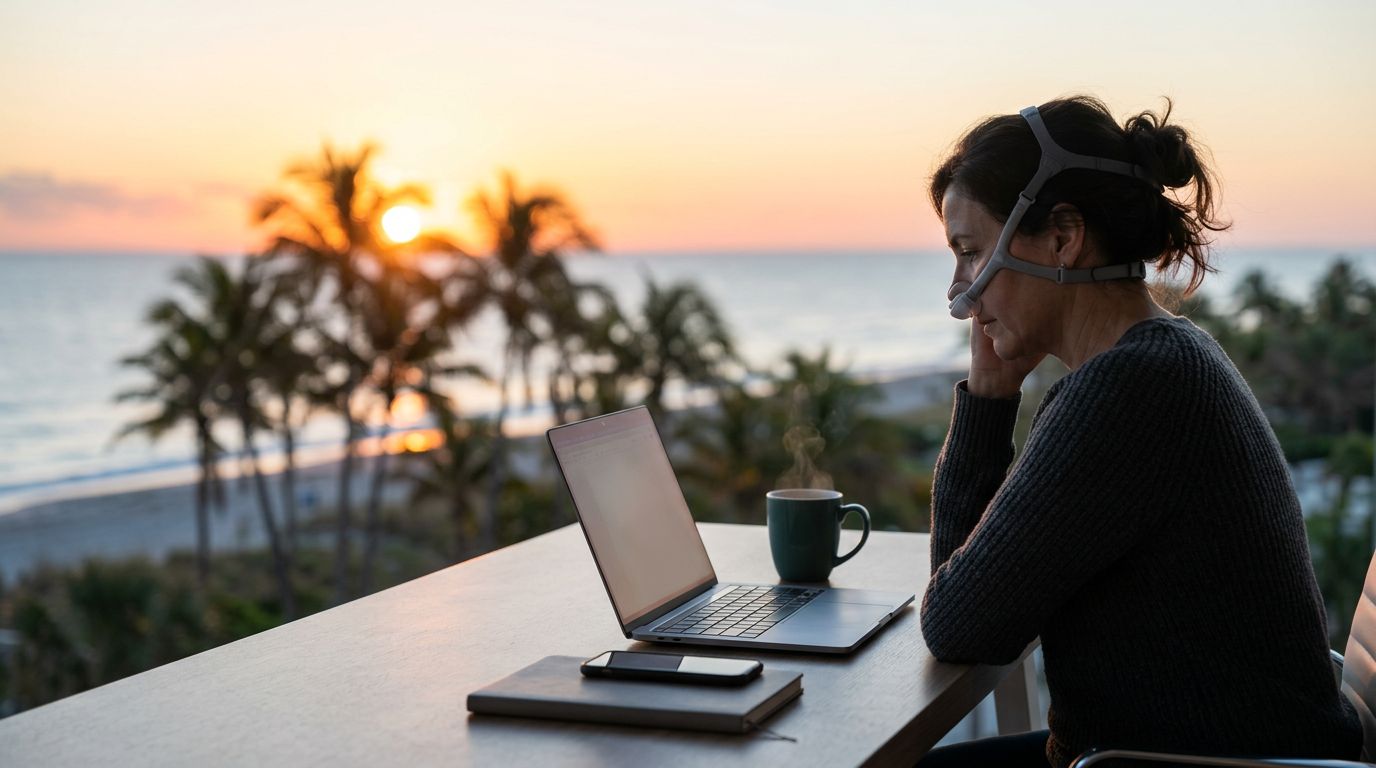
Sleep apnea can leave you worn out after eight hours in bed, and Social Security cares about that gap between sleep and function. Florida SSDI sleep apnea claims in 2026 often turn on one question, can you work full time even with treatment?
A diagnosis alone usually will not carry the case. The file has to show that the condition keeps you from steady work for at least 12 months, even after treatment efforts. If CPAP is part of your routine and you still fight daytime sleepiness, the record may still support a claim. The key is proving how the condition affects your workday, not just your sleep study.
How Social Security reviews sleep apnea claims in Florida
Florida cases follow the same federal rules as every other state. Social Security does not have a simple rule that approves sleep apnea by name. Instead, the agency looks at how the condition affects your ability to work, using the same five-step process discussed in understanding the 5-step disability test.
That means the diagnosis is only the starting point. SSA looks at whether you can do your past work, whether you can do other jobs, and whether the problem will last long enough to meet the 12-month rule. For SSDI, you also have to meet the work-credit rules. For SSI, income and asset limits still apply.
In practice, the case often turns on function. Can you stay awake through a shift? Can you finish tasks without errors? Can you do that day after day? For Florida SSDI sleep apnea claims, those answers matter more than the label on the chart.
A sleep apnea diagnosis opens the door. Proof of work limits is what moves the case forward.
Why CPAP use does not automatically end the case
Many people worry that a CPAP machine closes the door on disability benefits. It does not. Social Security often expects treatment, and CPAP use can help by showing you followed medical advice. Still, treatment by itself does not prove you can hold a job.
The question is whether CPAP controls the problem well enough. Some people still wake up exhausted. Others deal with mask leaks, poor pressure settings, dry mouth, headaches, or repeated awakenings. A few use CPAP as directed and still have serious daytime sleepiness. When that happens, the machine is evidence of treatment, not proof of recovery.
SSA also looks at the full medical picture. If sleep apnea comes with heart problems, pulmonary hypertension, memory trouble, or poor concentration, the claim can become stronger. The same is true when treatment notes show that symptoms continue despite good effort.
CPAP records matter because they show two things at once. They show you tried to treat the condition, and they show whether the treatment worked.
Daytime fatigue is often the deciding issue
Daytime fatigue is where many claims become real to an examiner or judge. If you nod off at work, miss shifts, slow down on tasks, or make mistakes because you cannot focus, that is not a small complaint. It is a work problem.
The same goes for brain fog, irritability, headaches, and slow reaction time. A person who should not drive or operate equipment has a different case than someone with a diagnosis alone. Even in a desk job, fatigue can hurt reliability. If you cannot stay alert for a full day, employers notice that fast.
Social Security cares about whether you can work on a regular and continuing basis. That means eight hours a day, five days a week, or the same level of full-time work. If you can only function on a good morning, that is not enough. The record needs to show how often the fatigue hits, how long it lasts, and what it does to your job performance.
Evidence that strengthens a sleep apnea SSDI file
The strongest sleep apnea files show the same problem over time. One note from one appointment is rarely enough. A better file ties together diagnosis, treatment, and daily limits.
Here is the kind of proof that often matters most:
| Evidence | What it shows | Why it matters |
|---|---|---|
| Sleep study results | The severity of the apnea | Gives the claim objective medical support |
| CPAP compliance reports | Whether you used treatment as directed | Shows effort and whether treatment controlled symptoms |
| Follow-up visit notes | Ongoing fatigue, headaches, or poor sleep | Helps prove the problem lasted despite care |
| Work records or statements | Missed shifts, slower pace, or safety concerns | Connects symptoms to real job limits |
| Heart, lung, or memory records | Related complications, like pulmonary hypertension | Can show the condition affects more than sleep |
When those records line up, the case becomes much clearer. The goal is to show a paper trail that matches your day-to-day life. If the records say you are still exhausted, and your work history shows missed time or mistakes, SSA has less room to brush the claim aside.
What happens after a denial
Denials are common in sleep apnea cases. SSA may say CPAP should control the condition, or it may decide the records do not show enough daytime fatigue. Sometimes the agency agrees the diagnosis is real, but says the work limits are not severe enough.
That is why the next step matters. The important deadlines for SSDI appeals are short, and missing one can slow the case down. The appeal path usually starts with reconsideration and can move to a hearing before a judge.
A denial is not the end of the claim. It does mean the appeal needs stronger proof of function. Focus on records that show naps, missed shifts, poor concentration, safety problems, and treatment that did not solve the issue. Those details often matter more than repeating the diagnosis.
When a Florida disability lawyer helps
A lawyer can make a difference when the file is thin or the denial leans on the wrong facts. That often happens when sleep apnea comes with heart disease, pulmonary hypertension, memory trouble, or another condition that adds to the fatigue. It also happens when the work history is complex.
Legal help is useful because the details matter. A lawyer can gather missing records, ask for CPAP data, organize the medical story, and prepare you for questions about your workday. If you want help from experienced disability lawyers in Florida, that support can be useful before the appeal window closes.
For many people, the real issue is not the diagnosis. It is proving how the condition changes a normal workday, and that is where a strong file can make the difference.
Conclusion
Sleep apnea claims turn on proof, not labels. CPAP use can help your case, but it does not end the inquiry when fatigue, brain fog, or unsafe sleepiness still get in the way of work.
For Florida SSDI sleep apnea claims in 2026, the strongest files show consistent treatment, clear daytime limits, and records that match each other. When those pieces line up, the condition is much harder to dismiss.