
Florida Falling Merchandise Claims: Why Incident Reports Matter
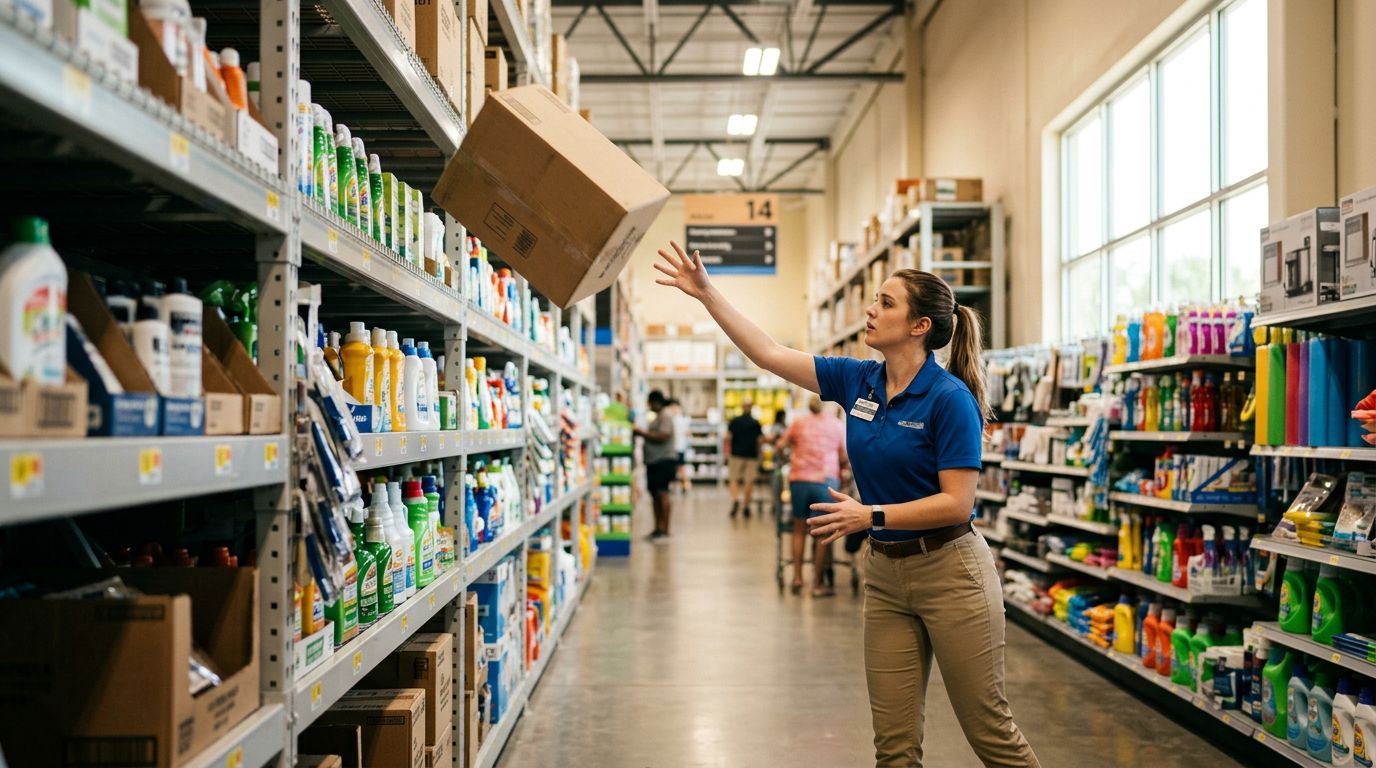
A falling box can break a wrist, cut a scalp, or cause a concussion in seconds. In a Florida big box store, that kind of injury often starts with a shelf that was stacked too high or loaded the wrong way. For people dealing with falling merchandise claims in Florida, the incident report is more than paperwork. It is often the first record that shows what happened, who saw it, and how the store responded.
That report matters because memories fade fast. Employees move on to the next task, aisles get restocked, and video can disappear if no one asks for it right away. The details written down that day can shape the claim later, especially when the store tries to say the accident was unavoidable.
Why big box stores create falling merchandise risks
Big box stores move a huge amount of inventory every day. Heavy items sit on high shelves, seasonal displays change fast, and stock often gets pushed into tight spaces. When employees hurry, a stack can become unstable before anyone notices.
A shopper can be hit by a case of bottled water, a boxed appliance, or smaller items that were placed too close to the edge. The item may fall because of poor stacking, a crowded aisle, or a display that was never checked after restocking. In other words, the problem is often not the item itself. It is the way the store handled it.
Florida law treats customers as business invitees, which means the store owes them a high duty of care. That duty includes inspecting shelves, training workers, and warning about dangers the store knows about or should know about. A report that captures the scene right after the injury helps show whether the store met that duty.
Not every falling item case is the same. Sometimes the risk was obvious. Sometimes it was hidden in plain sight. The report helps separate those situations.
What the incident report should actually say
The best incident reports read like a clear snapshot. They should identify the exact aisle, the time of day, the merchandise that fell, and the part of the body that was hurt. If an employee had just restocked the shelf or moved a display, that should be included too.
A quick comparison shows the difference between a useful report and a weak one.
| Report detail | What it should include | Why it matters |
|---|---|---|
| Exact location | Aisle number, department, and nearby display | Shows where the hazard existed |
| Merchandise involved | Brand, size, weight, or type of item | Connects the injury to a specific object |
| Employee response | Names of staff or managers who arrived | Helps show what the store did after the fall |
| Witnesses | Shopper names and contact details | Supports later testimony |
| Scene conditions | Clutter, wet floor, unstable stack, missing warning signs | Helps prove negligence |
| Video or photos | Camera location or mention of phone photos | Preserves evidence before cleanup |
A report with those details gives the claim a solid starting point. A vague note like “customer injured by falling item” leaves out the facts that matter most.
A report that names the aisle, the item, and the people involved is far more useful than a short accident note.
The wording matters too. If the report says the merchandise “slipped” or “tips over,” that may suggest a display problem. If it says the item was “stacked high” or “near edge,” that can be even more important. Those small phrases often tell the real story.
Records that support the report
The incident report is only one piece of the file. Medical records connect the accident to the injury, and photos show the scene before it changes. If the injury sent you to urgent care, the emergency room, or a specialist, those records help prove the harm was real and immediate.
Keep every copy you can get. Save the store form, discharge papers, prescription records, and any photos taken at the scene. A simple folder can make a claim easier to follow, especially if the store later gives a different version of events. A useful place to start is this guide on documents needed for personal injury claims.
Also, note details that seem small at the time. Was the merchandise on a pallet or a ladder? Was the aisle blocked? Did an employee say the display had been unstable before? Was there a warning sign, or did the store remove the fallen items right away? Those facts can matter later.
The same is true for witness information. A shopper who saw the stack wobble or heard an employee admit the shelf was overcrowded may become important months later. If you have a phone, take photos before anything gets cleaned up. The floor, the shelf, the packaging, and the surrounding aisle can all help show what really happened.
How Florida law treats store liability
Most falling merchandise cases in Florida fall under premises liability. The injured shopper must show duty, breach, causation, and damages. That sounds formal, but the idea is simple. The store had to keep the premises reasonably safe. It failed to do that. The failure caused the injury. The injury caused losses.
Notice is often the biggest fight. In many cases, the injured person must show the store had actual knowledge of the danger or constructive knowledge of it. Actual knowledge means the store knew about the hazard. Constructive knowledge means the hazard was there long enough, or happened often enough, that the store should have found it.
Florida does not have one simple state rule for shelf height in every store. Instead, the question is whether the display was handled safely. Safe stacking, proper weight placement, and regular inspections all matter. If the report shows the aisle was crowded, the load was unstable, or employees skipped checks, those details help build the case.
Florida’s comparative fault rule can also affect the recovery. If the store says the customer ignored a warning or handled merchandise in a risky way, a jury can reduce damages by that share of fault. Most personal injury claims also face a two-year deadline, so waiting too long can weaken the case before the facts are fully gathered.
When the report should go to an attorney
A weak report does not end the claim, but it can make the next steps harder. If the store leaves out key facts, denies fault, or refuses to give a copy, legal review can help. Experienced Florida personal injury attorneys can compare the report with photos, medical notes, witness accounts, and store records to see what is missing.
That review matters because store paperwork often tells only part of the story. An employee may write that the merchandise fell “without warning,” while a witness says the stack was unstable for hours. A camera may show a manager walking past the display before the injury. Those differences can change the strength of the claim.
The earlier the report is checked, the better. Once the store cleans the area and time passes, the details get harder to prove.
Conclusion
A falling item can look like a simple accident, but the paper trail often tells a different story. In these cases, the incident report is the first chance to capture the aisle, the display, the witnesses, and the store’s response.
That is why the details matter so much in Florida falling merchandise claims. A strong report can support the injury claim. A vague one can leave out the very facts that show negligence.
When merchandise falls in a big box store, the first written account often carries the most weight.