
HA-501 Mistakes That Slow Florida Disability Hearings in 2026
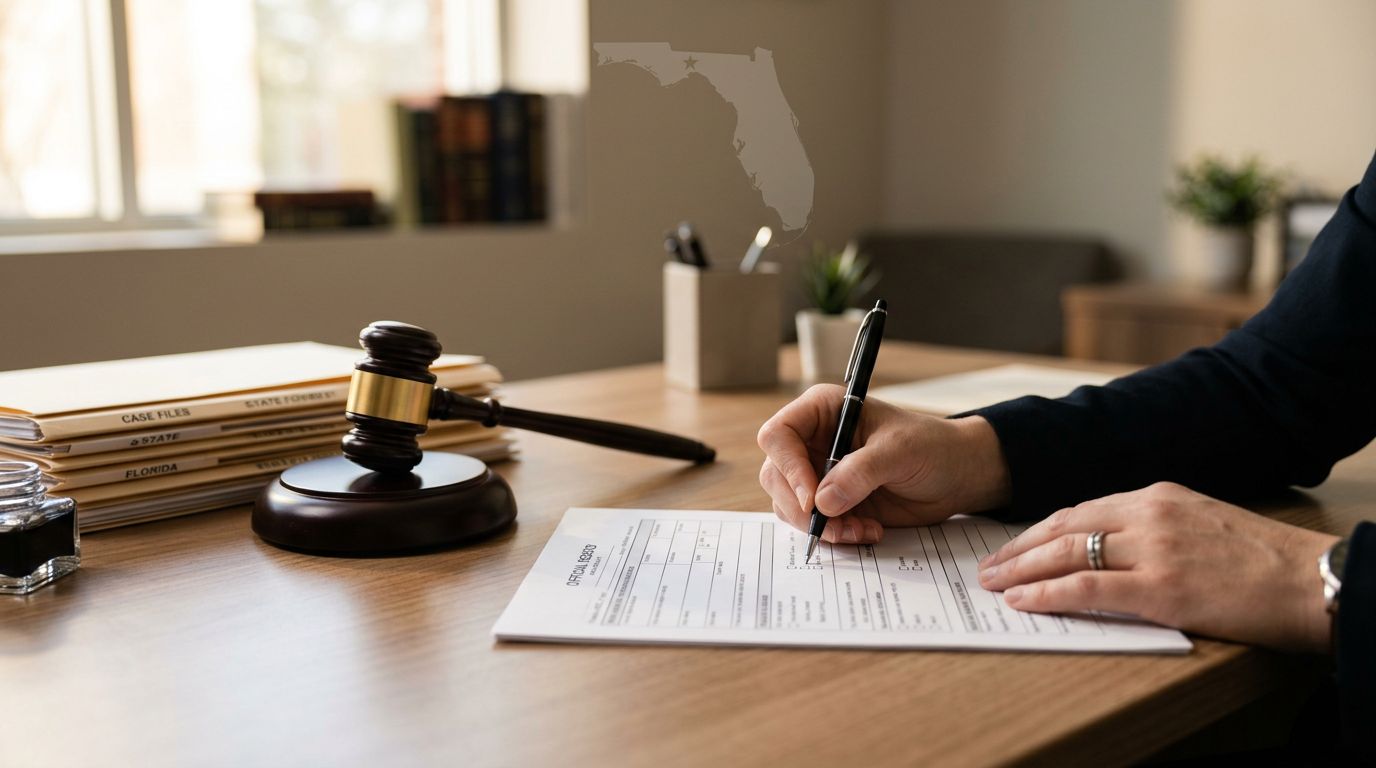
Form HA-501 is the request for a hearing before an Administrative Law Judge after reconsideration denial. In Florida, that form can be the difference between moving forward and sitting in limbo for months.
The hearing request itself is simple. The trouble starts when a small error turns into a delay, a missed notice, or a file that needs more development before it can be scheduled. If your case is already waiting in a long line, those mistakes matter even more.
A hearing request starts the process, but a complete file keeps it moving.
Why a clean HA-501 filing matters in Florida
Florida disability hearings already take time. Office backlog, staffing, and hearing format all affect how long a case waits before a judge hears it. Current Florida social security disability hearing wait times vary by office, so a problem in your paperwork can push you farther back in the queue.
That is why HA-501 mistakes are more than paperwork issues. They can keep Social Security from assigning the case, delay medical review, or trigger a request for more information. When that happens, your file stops looking ready.
A hearing request also does not stand alone. Social Security usually needs updated medical and contact information, along with the other forms tied to the appeal. If those pieces are missing, the process slows down before anyone ever sets a hearing date.
The HA-501 mistakes that create the biggest delays
The same few errors cause most of the slowdowns. Some are easy to miss. Others happen because people rush after a denial notice and want the request filed fast.
| Mistake | How it slows the case | Better move |
|---|---|---|
| Missing the 60-day deadline | SSA may treat the request as late and ask for a reason, which can stall the appeal | File as soon as possible after the reconsideration denial |
| Leaving blanks or using inconsistent information | Staff may need to fix the file before it can move forward | Match the denial notice, your records, and your current contact details |
| Skipping SSA-3441 or SSA-827 | SSA may not have the updated medical details or permission to gather records | Send the hearing request with the other required forms |
| Submitting old or incomplete medical evidence | The file may need more development before a judge can review it | Add current records from all treating sources |
| Ignoring hearing notices or format deadlines | The hearing can be postponed or rescheduled | Read every notice right away and respond on time |
| Failing to update address or phone number | You can miss a notice and lose time fixing the case | Report changes to SSA immediately |
These mistakes slow a hearing for the same reason a blocked lane slows traffic. The system stops until the missing piece shows up.
One missed deadline can be fixed. A pattern of missing items takes longer. If SSA has to send follow-up letters or wait for corrected forms, your case can sit untouched while other files move ahead.
Don’t treat the medical forms as afterthoughts
Form HA-501 tells SSA that you want a hearing. The rest of the appeal file tells SSA why the hearing is needed now. That is where many delays begin.
The agency usually expects updated details on Form SSA-3441 and a medical release on Form SSA-827. If those forms are incomplete, SSA may not be able to review new treatment or request updated records. That means the judge may get a thinner file than expected, and the case may need more development before a hearing can be set.
Recent treatment matters too. If you saw a doctor, started new medication, had imaging, or changed specialists, those updates should reach SSA early. Waiting until the hearing date is risky, because some evidence may not be accepted late without a good reason.
A simple habit helps here. Keep one file with provider names, visit dates, medications, test results, and hospital visits. That makes it easier to complete a SSDI hearing preparation checklist for Florida and spot missing records before they cause another delay.
Hearing format choices can slow a ready case
Florida disability hearings now come in more than one format. You may be scheduled for an in-person hearing, a phone hearing, or a video hearing. If you want a different setup, you need to pay attention to the notice and the deadline that comes with it. The choosing the right disability hearing format in Florida page explains why that early response matters.
Missing that notice can be costly. If you do not object on time, SSA may keep the original format. If you miss the hearing because you misunderstood the format or did not see the notice, the case can be postponed and moved to a new slot.
That matters in Florida because the calendar is already crowded. A lost week on the front end can become a lost month later. For a person waiting on benefits, that is not a small delay.
How to keep your file moving after you file HA-501
A hearing request should not end your attention to the case. It should sharpen it.
Start by checking your mail and voicemail often. SSA still uses paper notices, and many hearing delays start with a missed letter. If your address changes, report it right away. If your phone number changes, update that too.
Next, send new medical records as soon as you get them. Do not wait until the hearing is close. The longer records sit in your hands, the more time SSA may need later to process them.
Also, read every notice the day it arrives. Some notices ask for evidence by a certain date. Others ask you to choose a hearing method or confirm your appearance. If you miss those deadlines, the case can slow down even if the original HA-501 was filed on time.
Finally, keep your story consistent. Your medical notes, work history, and statements should all line up. If they do not, SSA may need more clarification before the hearing can move ahead.
When legal help can save time
Some delays come from situations that are harder to fix alone. A denied claim with scattered medical records, a late filing, missing provider information, or a confusing notice can take extra effort to repair. A Florida disability attorney can review the hearing request, track deadlines, and catch problems before SSA sends the file back for more work.
That help matters most when the case already has a history. If you have gone through more than one denial, changed doctors, or missed a notice before, the file may need careful cleanup before the hearing can be scheduled cleanly.
A strong hearing request does not promise a faster decision, but it can keep the case from slowing itself down.
Conclusion
HA-501 mistakes slow Florida disability hearings because they make SSA stop and fix problems before a judge ever sees the case. Deadlines, medical forms, hearing notices, and contact details all have to line up.
The safest approach is simple. File on time, keep your medical records current, and answer every notice fast. In a system where the wait is already long, small errors cost real time.