
Florida Sideswipe Crash Claims: Lane Change Video
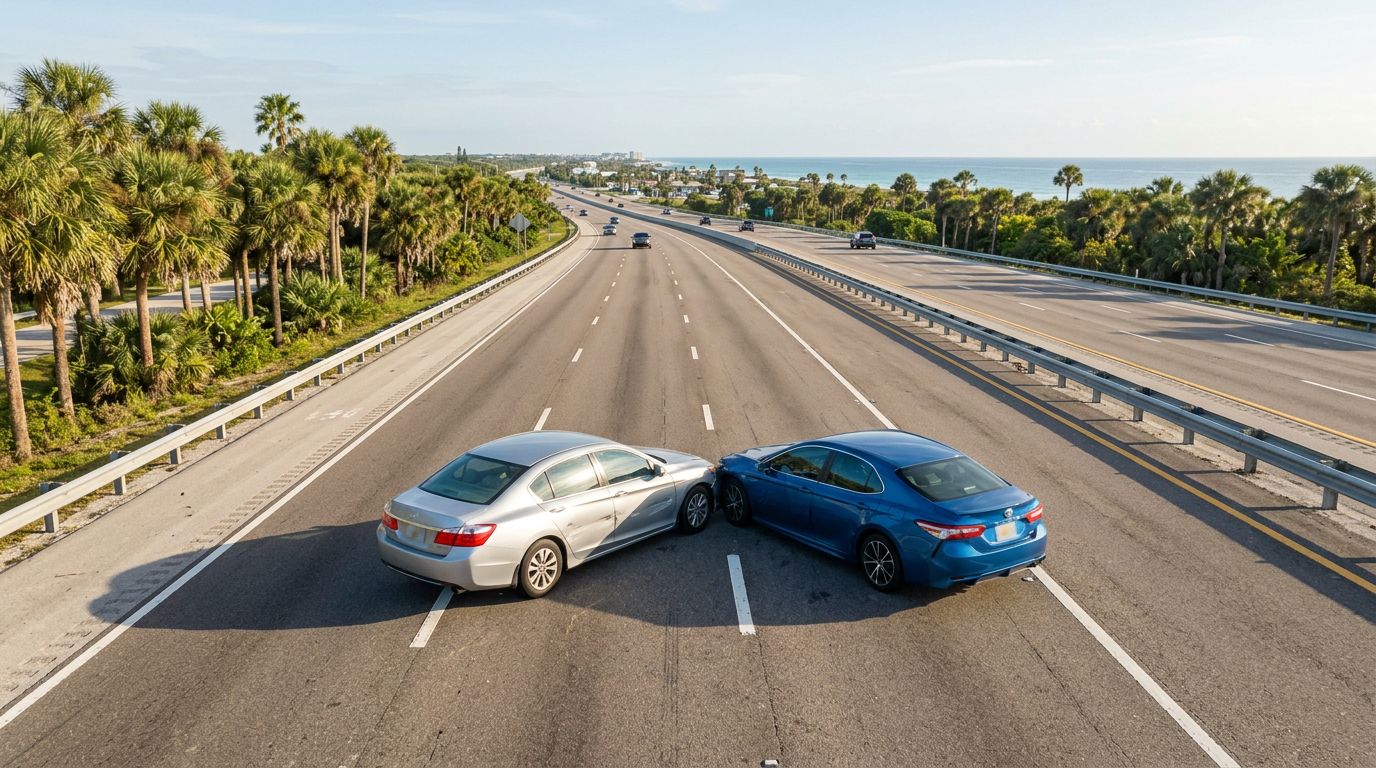
A sideswipe crash can look simple from the outside, then turn into a fight over blame. One driver says the other drifted over. The other says the lane change was clean. In Florida sideswipe crash claims, lane-change video can break that standoff open.
That kind of footage can show where each car was, who crossed the line first, and whether there was room to merge. If you are dealing with repairs, injuries, and an adjuster who wants to pin the crash on you, those seconds matter more than most people expect.
Why lane-change video matters in a Florida sideswipe claim
Sideswipe crashes usually happen fast, but the argument over fault lasts much longer. A mirror tap, a scrape down the side, or a hit near the rear quarter panel can come from a bad lane change, a drifting car, or a merge that never had enough space.
A good video can answer questions that drivers often remember differently. Did the other car signal? Did it cross a lane line? Did your vehicle stay centered? Those details can decide whether the insurance company accepts fault or starts cutting your claim down.
Here is a simple way to see what lane-change footage can prove:
| Video detail | What it may show |
|---|---|
| Lane lines | Which car left its lane first |
| Turn signal | Whether the move was warned or sudden |
| Full lead-up | Who drifted before the impact |
| Road markings | Whether a merge area or lane ending mattered |
| Damage sequence | Which side was struck and how it happened |
The strongest video does more than show the hit. It shows the path that led there. That path is often where fault lives.
What the best dashcam clip should capture
A short clip that starts at the crash often helps less than people think. The seconds before impact can matter just as much as the impact itself. A lane change, a brake tap, a signal, or a sudden drift may appear before the cars touch.
Keep the full sequence
Do not trim the file unless a lawyer or investigator tells you to make a copy. The original clip should stay intact. If the recording shows the whole approach, the lane position, and the impact, it gives adjusters and lawyers a clear timeline.
Save the original file right away. An edited clip can invite doubt before anyone looks at the road marks.
If the camera includes time and date stamps, keep them. If it records sound, that can help too, especially when horn blasts, turn signals, or tire noise line up with the video. Small details can fill gaps that a still photo never will.
Protect the original recording
Back up the file as soon as you can. Keep the memory card if possible. Write down the date, time, location, and the direction you were traveling. If the camera stores multiple files, save the ones before and after the crash as well.
Florida courts can admit dashcam footage when it is relevant, authentic, and lawfully obtained. Video from a dashcam on a public road usually does not raise the same privacy concerns as hidden recording in a private space. Still, the clip needs to stay clean. Once the file is altered, the other side may attack it instead of the crash.
Other evidence that strengthens the video
Dashcam footage helps most when it sits next to other proof. A video can show the move, but the rest of the case shows the damage, the injuries, and the cost.
A strong claim often includes:
- Photos of the vehicles from multiple angles, especially the side impact points.
- Police report details that match the lane positions and impact pattern.
- Witness statements from people who saw the lane change or the drift.
- Repair estimates that line up with the scrape marks and impact height.
Those pieces matter because they support the story the video tells. If the clip shows your car staying in lane, and the photos show a long scrape along the passenger side, the two items work together. If a witness says the other driver moved without warning, that helps too.
Damage location can be a quiet but powerful clue. A hit near the rear door often suggests a car was already partly past the other vehicle. A front-quarter scrape can point to a sudden merge. These details do not prove everything by themselves, but they can push a claim in the right direction.
How Florida fault rules shape sideswipe claims
Florida fault rules can change the value of a sideswipe claim fast. Insurance companies know that, so they look for any reason to say you share blame. They may argue that you drifted, failed to keep a proper lookout, or left too little room.
Florida uses a modified comparative fault rule. In plain terms, if you are found more than 50% at fault, you can lose the right to recover damages. That makes lane-change evidence more than useful. It can be the difference between a paid claim and a denied one.
A solid clip helps in three ways. First, it shows lane position. Second, it shows timing. Third, it can show whether the other driver had enough space to move safely.
If the insurer says the other car was in a blind spot, the video may still help. Blind spots do not excuse an unsafe merge when lane lines, distance, and timing show the move should not have happened. Likewise, a driver who signals late may still be at fault if the lane change was abrupt.
When the claim needs more than video
Some cases are obvious. Others are messy. Maybe the dashcam missed the exact moment of contact. Maybe the video angle is weak. Maybe both drivers blame each other. In those situations, the rest of the file matters even more.
That is when Florida car accident attorneys can help sort out the proof and push back on blame-shifting. A lawyer can compare the recording with the police report, medical records, and repair estimates. That matters because an insurance company will often focus on the smallest weak spot in the claim.
When the crash caused injuries, the claim may also go beyond car repairs. Medical visits, therapy, lost wages, and pain all belong in the picture. Personal injury legal help can connect those losses to the crash and keep the claim from being narrowed to sheet metal alone.
A lawyer can also move quickly to preserve key evidence. That matters when a business vehicle, rideshare car, or delivery van is involved. Those cases can bring extra records, and they can disappear faster than people expect.
Common mistakes that weaken lane-change evidence
Even strong video can lose force if the rest of the case is handled carelessly. A few simple mistakes can make a clean clip look uncertain.
One mistake is sharing only a short segment. The defense may argue that the missing seconds change the meaning of the crash. Another mistake is editing the file. Once you cut or convert the recording, the other side may question whether it still shows the full event.
A third mistake is waiting too long to back it up. Memory cards fail. Phones break. Cloud uploads get skipped. A final mistake is assuming video alone will settle every issue. It usually will not. The best claims pair the footage with photos, records, and testimony.
If you have the video, keep it safe. If you do not, save everything else you can. Small details often decide whether the claim looks clear or contested.
Conclusion
A sideswipe crash can leave behind a long scrape and a short argument. Lane-change video helps because it shows the part that matters most, the move before the impact. That is where fault often shows itself.
The safest path is to preserve the original clip, collect the rest of the evidence, and act before the file or the story gets blurred. In a Florida sideswipe crash claim, the best proof is the proof that still shows the road, the lane, and the driver who crossed it.