
Broken Lock Evidence in Florida Apartment Assault Claims
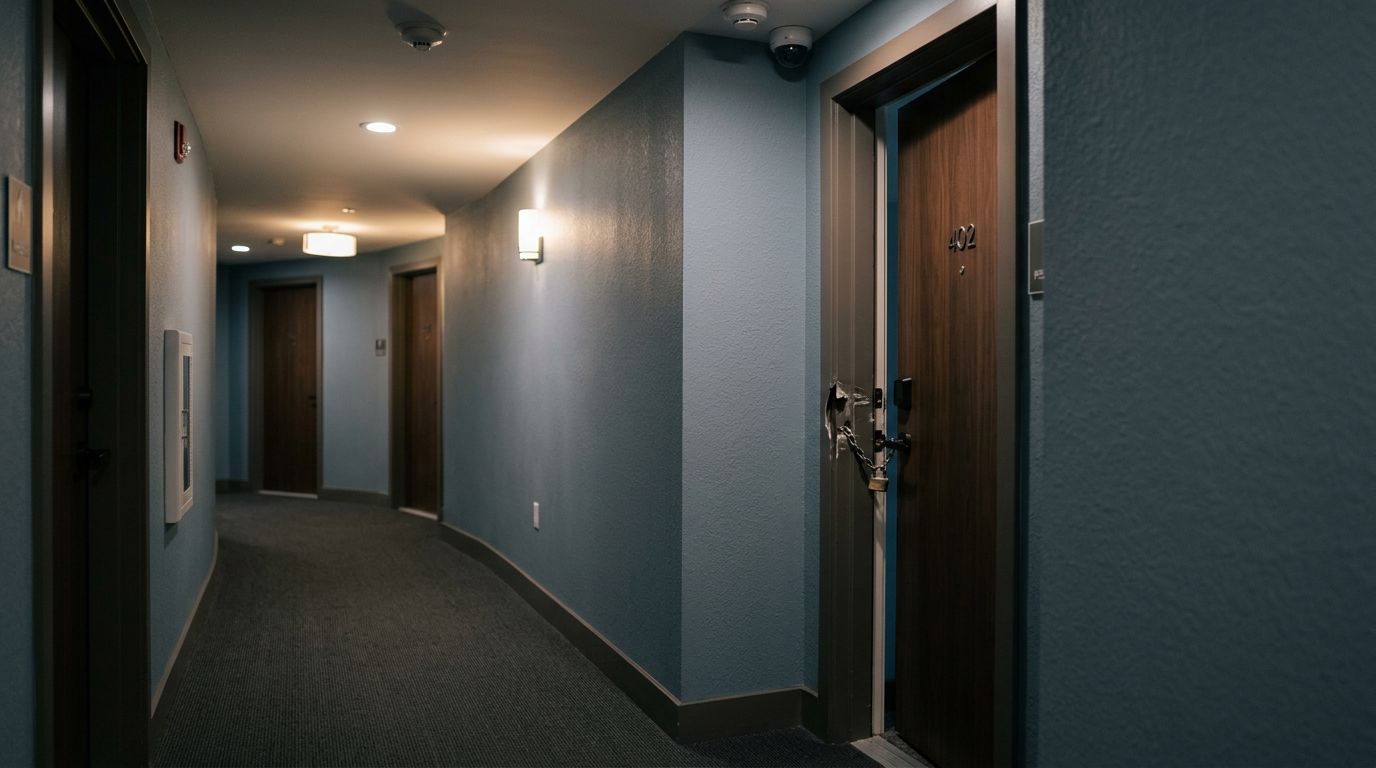
A hallway assault in an apartment building can change a life in seconds. When the door lock was broken, the case often changes too.
Florida apartment assault claims frequently turn on one question: did the property fail to control access to the building? A damaged lock, a weak latch, or a door that never shut right can become the center of the case.
That evidence matters because it can show the assault was not random in the legal sense. It may point to a preventable security failure.
Why hallway assaults often become security cases
Apartment hallways are shared spaces, so they depend on working locks, secure entry points, and quick repairs. If a stranger got inside, the next issue is often whether the building knew access was a problem.
A hallway assault case usually starts with the assault itself, then moves to the conditions that made it possible. That means the focus can shift to doors, gates, cameras, lighting, and prior complaints. In many Florida apartment assault claims, the building’s security history matters as much as the attack.
The law looks at notice and foreseeability. If residents complained about a broken lock for days or weeks, that can help show the property had a chance to act. If the entrance was easy to bypass, that can support a claim that the security setup was not reasonable for the risk.
This is where a record-driven case starts to matter. Photos, texts to management, repair logs, and incident reports can tell the story. So can prior reports of trespass, theft, or hallway crime.
You can see the same pattern in other common-area cases, including apartment parking lot assault claims, where access control and security gaps often overlap.
Apartment cases can also face Florida Statute 768.0706, which may affect multifamily residential negligent security claims. That makes records about prior incidents and repairs even more important.
What broken lock evidence can show
A broken lock does more than show wear and tear. It can help prove that the building failed to keep unauthorized people out.
The strongest evidence usually shows three things. First, the lock or door was damaged. Second, management knew or should have known about it. Third, the failure helped the attacker get in or stay in the building.
A broken lock matters most when it connects the property to notice, access, and a failure to act.
The best proof often comes from simple materials. A clear photo can matter more than a long statement if it shows the broken strike plate or loose deadbolt. Maintenance notes can matter too, especially if they show delay after a complaint.
| Evidence | What it can show | Why it matters |
|---|---|---|
| Photos of the lock, frame, and hallway door | Visible damage or poor condition | Helps prove the entrance was not secure |
| Work orders and repair logs | Notice and repair delays | Shows how long the problem existed |
| Resident emails or complaints | Prior warnings to management | Supports the claim that the issue was known |
| Access logs or key fob records | Who entered and when | Can show weak or failed entry control |
| Police reports and witness statements | What happened before and after the assault | Helps connect the breach to the attack |
Broken lock evidence works best when it is tied to time. A photo taken the day of the attack is stronger than a general memory months later. A repair request sent before the assault is stronger than a complaint raised after it.
Physical damage can matter too. If the lock was forced, pried, or never latching, an inspection may show the problem was not minor. A maintenance contractor or security expert can also explain whether the lock should have been repaired sooner.
Evidence from the surrounding property can help as well. If the hallway was dark, the camera was not working, or the front entrance stayed open, those facts may support the same security claim. In other words, the broken lock may be part of a bigger access problem, not a stand-alone defect.
Who may be responsible for the failure
Responsibility in a hallway assault case depends on control. The owner may be responsible, but so may a management company, a maintenance vendor, or a security contractor.
The first question is who controlled the lock and the common area. The lease alone does not end that inquiry. If the building handled repairs, collected complaints, and decided when to fix the door, that conduct may matter a lot.
Management often becomes central in these cases because it receives notices from residents. If a tenant sent repeated complaints and the lock stayed broken, that can support a negligence claim. If a repair company was hired but never completed the work, its records may matter too.
The case may also involve broader security failures. Hallway attacks often share proof issues with other access points, such as side doors, entry gates, and parking areas. A property that ignores one problem often ignores others.
Responsibility can also turn on whether the danger was foreseeable. If there were prior assaults, break-ins, or suspicious activity near the building, the property may have had more reason to act. A single complaint may matter less than a pattern, but a pattern is not required in every case.
The important point is this: the injured person does not need to prove the property committed the assault. The claim often focuses on whether the property’s security failures helped make the assault possible.
What to do right after the attack
The hours after an apartment hallway assault can feel blurry. Still, the first steps can protect both your health and your claim.
Get medical care first. Even if the injuries seem small, ask for an exam and keep every record. Medical notes can help connect the injury to the assault.
Then report the attack to police and, if possible, to apartment management. Ask for the incident number and write down who you spoke with. If there was a broken lock, say so in the report.
After that, preserve what you can. Take photos of the door, the lock, the frame, and the hallway. Save texts, emails, and call logs with management. If you have clothes or items damaged in the attack, keep them.
A short checklist can help keep the facts organized:
- Get treatment and keep discharge papers.
- Call police and ask for a report number.
- Photograph the lock and the entry area.
- Save complaints, repair requests, and manager replies.
- Write down witnesses, employees, and times.
- Contact a Florida lawyer before records disappear.
Speed matters because apartment records do not stay still. Video can be overwritten, staff can change, and repair files can get buried. The sooner the evidence is locked down, the better.
Damages that can follow a hallway assault
A hallway assault can cause more than visible injuries. Victims often deal with medical bills, missed work, therapy, pain, and fear of returning home.
Broken lock evidence helps connect those losses to a property failure. If the building ignored a known access problem, the case can support claims for hospital care, follow-up treatment, lost income, and future care. In some cases, the harm also includes emotional distress and lasting changes to daily life.
The damage picture may be broader than many people expect. Someone may need counseling after the attack. Another person may lose sleep or avoid the hallway where the assault happened. A parent may need help with work or child care while recovering.
That proof needs structure. Medical records should match the timeline. Pay stubs can show lost wages. Mental health notes can support the emotional side of the claim. Photos of bruises, cuts, or property damage can also help.
If the apartment’s broken lock or failed entry system played a role, that evidence can strengthen the case for full compensation. It shifts the story from a random crime to a preventable security failure.
Conclusion
A hallway attack in an apartment building often leaves a paper trail behind the violence. The lock, the repair history, and the complaint log can matter as much as the assault report.
For Florida apartment assault claims, broken lock evidence can help show notice, access, and a missed chance to fix the danger. That is often the difference between a weak file and a claim that holds up.
If you were hurt in an apartment hallway, move quickly. Save the photos, the messages, and the medical records before they disappear. A Florida attorney who handles negligent security cases can help turn those facts into a clear claim.