
Florida Social Security Consultative Exams in 2026
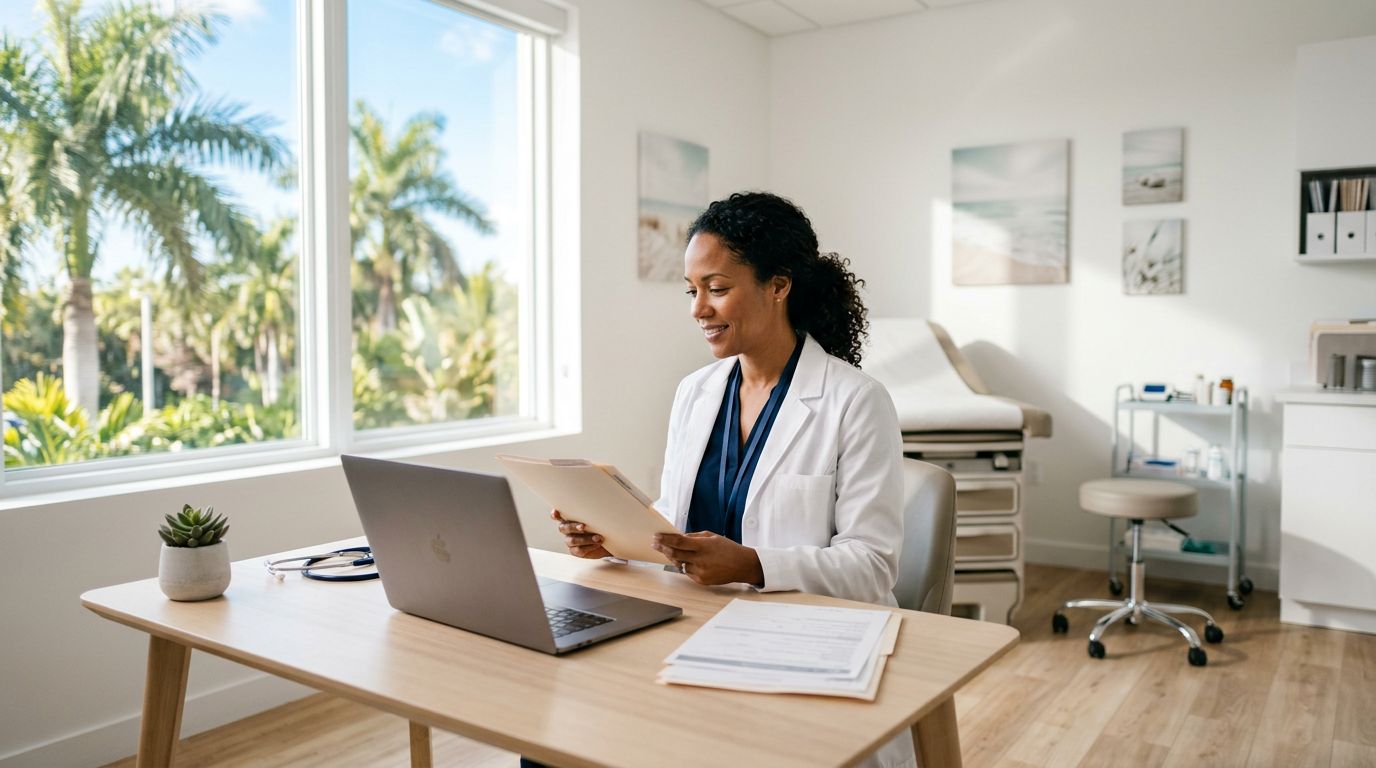
A consultative exam can feel like a pop quiz with your health on the line. In Florida Social Security cases, it is often the only time an outside doctor gives the agency a fresh look at your condition.
In 2026, the process still works the same way. Social Security uses these exams to fill gaps in the file, not to treat you. Knowing what happens can make one appointment feel far less uncertain.
Why Social Security orders a consultative exam
Social Security orders a consultative exam when your medical record does not answer a key question. The agency may know your diagnosis, but still lack enough detail about how that condition limits work.
The exam is usually arranged through Disability Determination Services, or DDS, which reviews disability claims for Social Security. The doctor you see is chosen for the exam, not by you, and that doctor is not there to provide treatment.
If your regular doctors have already given clear records, a consultative exam may not be needed. When the file has holes, though, Social Security uses the exam to get more facts before making a decision.
For a fuller look at the process, see this SSA consultative exam guide for 2026.
A consultative exam can cover physical health, mental health, or both. The exact reason depends on what your claim says and what the file still needs.
How Florida claimants get scheduled
The notice usually comes by mail, and sometimes a phone call follows. It should tell you the date, time, and location of the exam.
Because the doctor is selected by Social Security, the office may not be near your home. That matters in Florida, where travel time can add up fast. Plan for traffic, parking, and any extra time you need to get there.
If you cannot make the appointment, contact the number on the notice right away. A real conflict, illness, or transportation problem may justify a reschedule, but waiting until the last minute can cause trouble.
Missing a consultative exam without a good reason can slow down your claim, and it can hurt your chances.
Do not ignore the notice, even if you think your records are strong. Social Security may see the exam as necessary before it makes a decision.
What happens during the exam
Most consultative exams are short. Some last about 20 minutes, while others take closer to an hour. Mental health exams can run longer.
The doctor may ask about your symptoms, treatment history, medications, daily activities, and limits at home or work. Then the doctor may do a focused exam tied to your condition.
A physical exam may include walking, strength testing, balance, sitting, standing, or range of motion. A mental exam may focus on memory, attention, mood, understanding, and how well you handle everyday tasks.
This table gives a quick snapshot of the two most common exam types.
| Exam type | What it usually covers | What the doctor may ask you to do |
|---|---|---|
| Physical exam | Pain, movement, strength, balance, or breathing | Walk, lift, bend, stand, sit, or move joints |
| Mental exam | Memory, focus, mood, thinking, or daily function | Answer questions about routines, stress, and concentration |
| Mixed exam | Both body and mind issues | A combination of questions and exam steps |
The visit is not treatment. You will not leave with a diagnosis plan, a prescription change, or a referral to follow up care. The main product of the exam is a report for Social Security.
How to prepare without overdoing it
Simple preparation helps. Bring the items that make the appointment easier to understand.
- Bring a photo ID and your appointment notice.
- Bring a list of your medications and doses.
- Bring glasses, hearing aids, a cane, a walker, or any device you use.
- Bring recent medical records if you already have copies.
You do not need to rehearse a speech. You do need to be clear about what your life looks like on a normal day and on a bad day.
Tell the truth about your limits. If you can walk across a room but not across a parking lot, say that. If you can sit for a short time but then must change position, say that too. Short, plain answers are usually better than long explanations that drift off point.
Your answers should match your medical record. If a doctor has written that you struggle with lifting, do not downplay it because you are having a better morning. Social Security wants a real picture, not a polished one.
A few minutes of prep can help you stay consistent, especially if you have several conditions. Jot down the symptoms that affect work most, then keep those notes with you.
Mistakes that can hurt a disability claim
Some mistakes keep showing up in Florida Social Security consultative exams. Most of them are easy to avoid.
- Skipping the exam because you think the file already speaks for itself.
- Showing up without the aids or devices you normally use.
- Giving answers that conflict with your treatment notes.
- Leaving out the bad days because you are trying to sound tough.
- Treating the exam like a visit with your own doctor.
The biggest problem is often inconsistency. If one record says you can lift only light items, but you tell the consultative examiner that lifting is no issue, the file becomes harder to trust.
That does not mean you should exaggerate. Exaggeration can hurt just as much. The point is to give the doctor a fair picture of your real limits.
A consultative exam report can help a claim when it lines up with the rest of the evidence. It can also hurt when it leaves out important facts. The report is only one piece, but it can carry weight.
If the report does not match what really happened
Sometimes the exam report misses key symptoms or paints too rosy a picture. That can happen when the visit is brief or the questions are narrow.
If that happens, the answer is usually more evidence, not more argument. Keep treating with your doctors. Make sure your follow-up notes show the same limits you described at the exam. If your claim moves into appeal, the record matters even more.
For claimants who are already in the appeal stage, this SSDI reconsideration appeal checklist can help frame the next step. Deadlines matter, and a missed deadline can close the door on an otherwise valid claim.
A Florida disability lawyer can also help compare the consultative report with the rest of your file. That review can show whether the report is just incomplete or whether it needs to be addressed with stronger medical proof.
What 2026 means for claimants in Florida
The basic rules have not changed in 2026. Social Security still uses consultative exams to fill gaps in the evidence, and the exam still is not treatment.
That means the same practical habits still matter. Go to the appointment, arrive on time, bring the basics, and answer honestly. Keep your description of symptoms tied to work-related limits, not just a diagnosis name.
The exam may be short, but its effect can reach far beyond that day. A clean, consistent record gives Social Security less room to guess.
Conclusion
Florida Social Security consultative exams are common, and they often decide whether the agency has enough information to move forward. The exam is short, but it can shape the rest of the claim.
The safest approach is simple. Show up, tell the truth, bring the items you use every day, and keep your medical story consistent from one record to the next.
If the report comes back thin or inaccurate, act quickly. In disability claims, clear evidence matters more than a memorable appointment.