
Florida Blood Transfusion Errors and Blood Bank Records
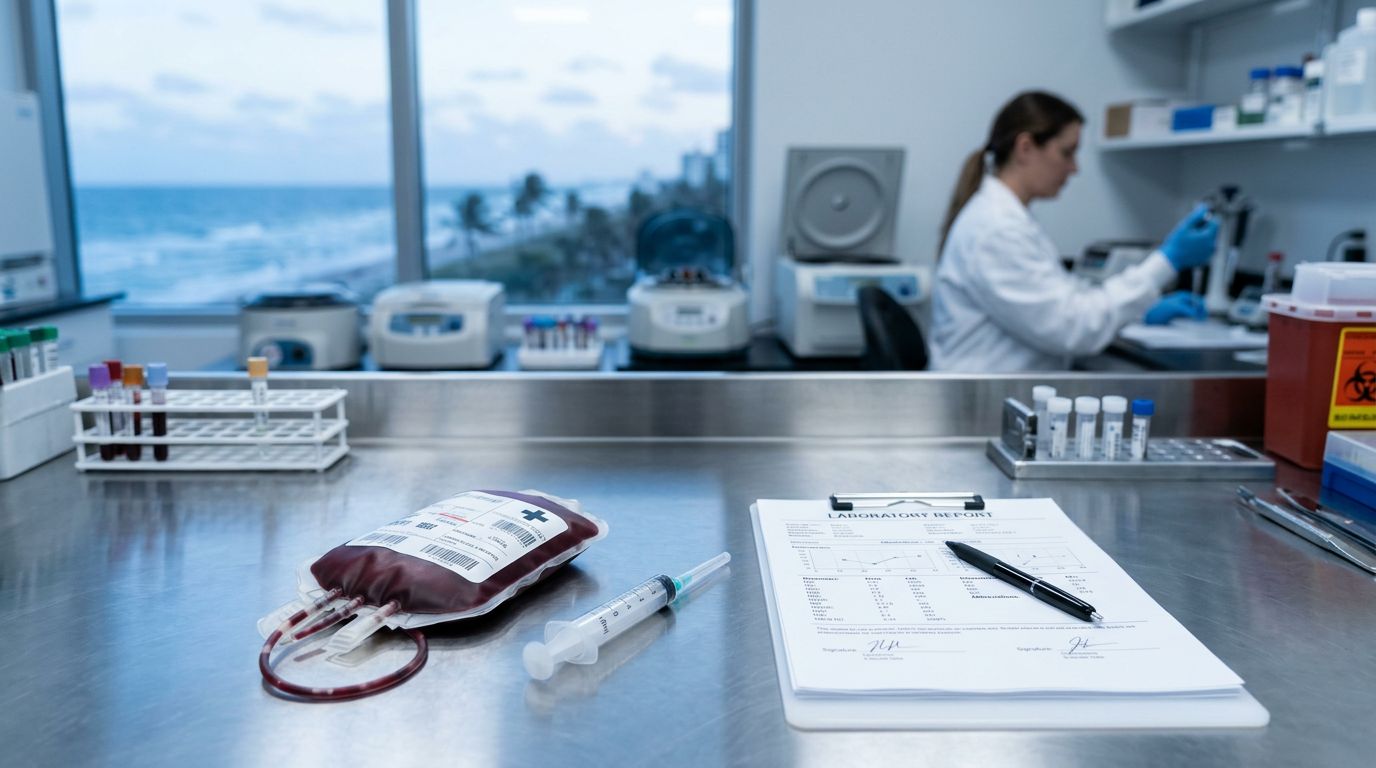
Blood transfusions save lives, but one small break in the process can cause lasting harm. Florida blood transfusion errors often start with a mislabeled sample, a wrong blood bag, or a missed safety check.
When a patient reacts badly, the chart alone may not tell the full story. The blood bank file often shows who tested the blood, who released it, and whether the hospital followed its own rules. That paper trail can matter as much as the treatment itself.
If you are trying to understand a possible transfusion injury, the real question is simple, did the hospital handle the blood correctly from start to finish? The next few sections show how these cases usually unfold.
How transfusion mistakes happen in Florida hospitals
A blood transfusion is supposed to move through a strict chain. A sample is drawn, labeled, tested, matched, released, and then given to the right patient. When any link breaks, the risk rises fast.
The most common mistakes are plain and preventable. A patient may get the wrong blood type. A unit may be released for the wrong person. A sample may carry the wrong label. Staff may skip a double-check because the unit is urgent, the floor is busy, or the team is short on help.
Other failures happen behind the scenes. Blood can be stored at the wrong temperature. A bag can sit too long before use. A contaminated unit can slip past a weak screening step. Even a clean chart can hide a bad handoff between the lab, the blood bank, and the bedside nurse.
Training matters too. Overworked or poorly trained staff make more mistakes. So do broken systems that rely on memory instead of process. In a hospital, blood safety should work like a relay race, but one dropped baton can hurt the patient.
Some transfusion injuries happen even when nobody intends harm. Still, intent does not matter as much as the record of what happened. If the hospital missed a required step, the cause may be written in the file.
Why blood bank records matter more than most charts
Blood bank records can show the full path of a unit of blood. That includes the blood type test, the cross-match result, the label on the specimen, the storage log, the time the blood left the bank, and the nurse notes from the transfusion itself.
Those details matter because they can confirm, or contradict, the bedside chart. If the chart says one thing and the blood bank log says another, that conflict can point to negligence. Missing records can matter too.
Here is a simple way to think about the most useful records:
| Record type | What it can show | Why it matters |
|---|---|---|
| Blood type and antibody testing | Whether the blood matched the patient | Helps spot testing errors |
| Cross-match logs | Whether the donor blood fit the sample | Can reveal a mismatch before transfusion |
| Label and specimen tracking | Who drew and labeled the sample | Useful in wrong-patient and mislabeled sample cases |
| Storage and release logs | How the blood was handled and when it left the bank | Shows temperature, timing, and custody issues |
| Transfusion notes and vital signs | When the blood was given and how the patient reacted | Helps connect the unit to the injury |
When those records line up, the story is usually clear. When they do not, the gap can be just as important as a bad entry.
A missing blood bank record does not prove negligence by itself, but it can make a strong case stronger.
A lawyer will often compare the hospital chart with blood bank logs, lab reports, and nursing notes. That comparison can show whether the right blood was ordered, tested, and given. It can also show whether the hospital tried to clean up the record after the fact.
Signs a blood transfusion error may have caused harm
Some transfusion reactions happen quickly. Fever, chills, back pain, dark urine, breathing trouble, and a sudden drop in blood pressure can all signal a serious problem. In other cases, the signs are less dramatic at first. A patient may feel weak, confused, or worse than expected after the procedure.
That is why timing matters. If the symptoms began during the transfusion or soon after, the blood bank records become even more important. They can show whether the patient got the wrong unit, whether the unit was handled badly, or whether staff noted a reaction and acted too late.
Not every reaction means the hospital did something wrong. Some patients react to blood even when the proper steps were taken. However, a serious injury with bad labels, poor charting, or missing cross-match records deserves a close look.
The practical issue is this: a patient and family may know something went wrong, but they may not know where it started. The records often answer that question. They can show if the transfusion began on time, who monitored the patient, and whether vital signs changed in a way that should have raised alarms.
When the record is thin, the patient’s symptoms and the hospital’s response become even more important. A delay in treatment, a confusing note, or a sudden chart change can all support a claim that the process broke down.
What a Florida lawyer looks for in the records
A strong claim usually starts with a simple timeline. Who ordered the transfusion? Who drew the sample? Who labeled it? Who tested the blood? Who released the unit? Who gave it to the patient? Who watched for a reaction?
Those are the questions that matter because the answer often reveals where the mistake happened. A lawyer will also look for policy failures, missing signatures, chart corrections, and notes that do not match the lab data. If the hospital skipped a required step, the file should show it.
The best cases often include more than one source of proof. That may include blood bank records, pathology reports, nursing notes, medication records, vitals, and incident reports. A firm with experienced personal injury attorneys can request those materials, compare them, and press for the missing pieces that hospitals do not volunteer.
Key evidence can include:
- the original blood sample label
- compatibility and cross-match results
- release logs from the blood bank
- transfusion start and stop times
- nurse notes about symptoms or reactions
- follow-up lab work after the transfusion
A clean chart does not end the inquiry. Hospitals sometimes document the bedside care while the lab record tells a different story. That is why transfusion claims often turn on the paperwork, not just the injury itself.
What to do after a suspected transfusion mistake
If you think a blood transfusion caused harm, act quickly. The first goal is medical care. The second is preserving the proof.
- Get immediate treatment if symptoms are active. Tell the care team that the reaction followed a transfusion.
- Ask for copies of the complete medical file. Request the blood bank record, lab work, discharge summary, and nursing notes.
- Write down what you remember. Note the date, time, symptoms, room number, and names of staff members if you know them.
- Keep every bill and follow-up instruction. Those records help show the full effect of the injury.
- Speak with a Florida attorney who handles hospital injury claims before the paper trail gets harder to follow.
Blood bank records can be stored separately from the main chart, so ask for them by name. A hospital may hand over a summary and leave out the details that matter most. That is where a careful review can make a difference.
Conclusion
A transfusion should help the patient, not create a new emergency. When something goes wrong, the answer is often buried in the blood bank records, the cross-match results, and the custody trail for the unit itself.
That is why Florida blood transfusion errors are rarely solved by one chart note alone. The strongest claims usually come from a clear mismatch between what the hospital says happened and what the records actually show.
If you suspect a transfusion injury, the paper trail matters. It can reveal the mistake, the delay, or the missing step that changed everything.