
Florida Septic Arthritis Misdiagnosis and Joint Fluid Test Records
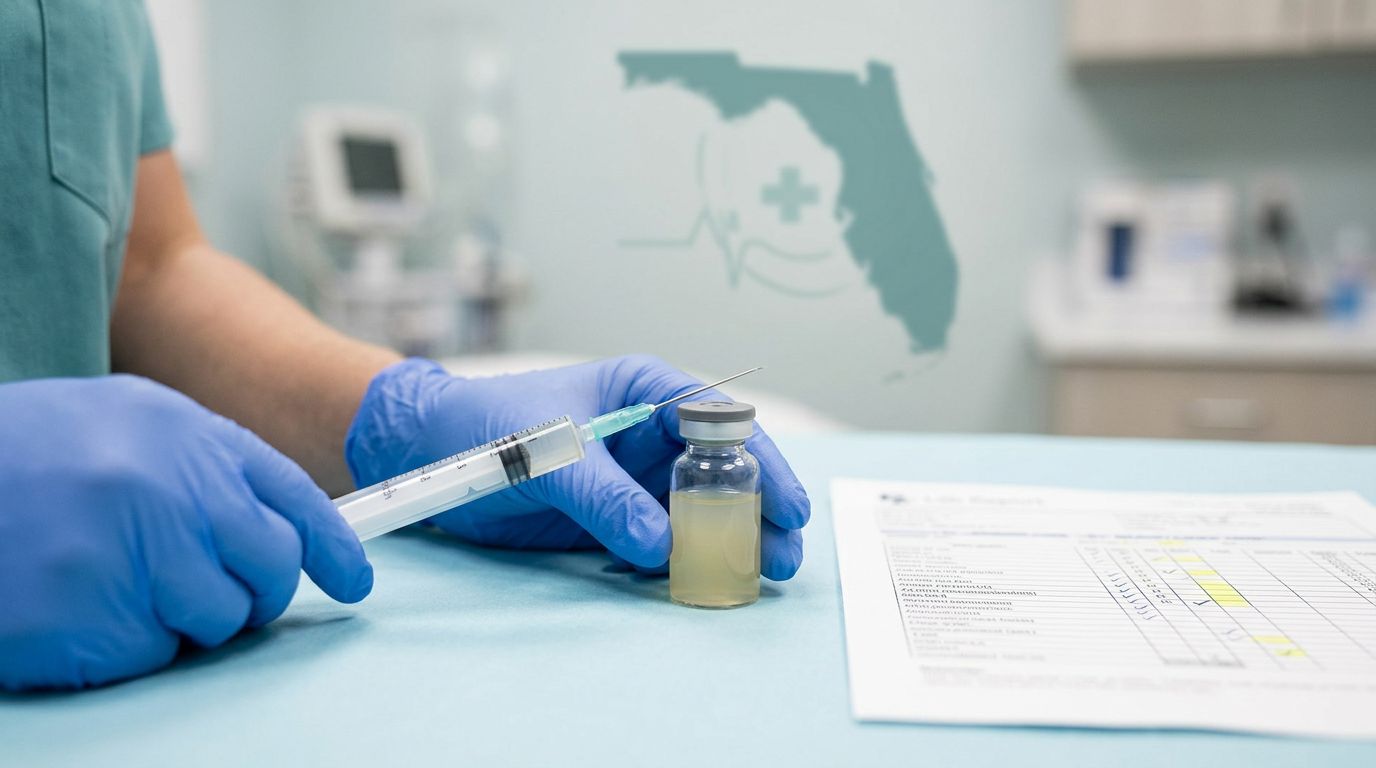
Septic arthritis can wreck a joint fast. A patient may walk in with pain, swelling, and fever, then leave with a diagnosis that misses the infection entirely.
When that happens in Florida, the paper trail matters. Joint fluid test records, lab notes, and early exam charts can show what the provider saw, what they ordered, and how long they waited.
If you are sorting through a possible claim, the medical record often tells the story before anyone does. The key is knowing which details should have been there in the first place.
Why septic arthritis gets missed so often
Septic arthritis does not always announce itself in a neat, obvious way. Some patients have a swollen knee, hip, ankle, or shoulder. Others show up with pain that looks like gout, arthritis, bursitis, or even a simple strain.
That overlap creates danger. A rushed visit can turn a serious infection into a discharge with pain medicine and instructions to rest. By the time the real cause is found, the joint may already be damaged.
Florida patients often face another problem, the first provider may not document enough. If the chart leaves out range-of-motion findings, fever, weight-bearing issues, or the reason a joint infection was ruled out, the record becomes much harder to defend. In a medical negligence review, those missing details matter because they show whether the provider followed the expected standard of care. A useful starting point is this Florida medical malpractice legal guide, which explains how negligence claims are evaluated under Florida law.
A suspected joint infection should trigger a careful workup. If the provider treated the visit like a routine ache, the question becomes whether that choice made the injury worse.
A missed joint infection is often a timing problem, not a mystery problem.
What joint fluid test records should show
Joint aspiration is one of the most important steps in a septic arthritis workup. The sample can help confirm infection, reveal crystals, and guide treatment. If the chart is thin, the whole case becomes harder to understand.
The best records show the sequence clearly. They should identify who ordered the test, when the fluid was drawn, what it looked like, and when the lab processed it. They should also show whether antibiotics started before the sample was taken, since that can affect culture results.
This is the kind of detail that often separates a careful workup from a careless one.
| Record type | What it should show | Why it matters |
|---|---|---|
| ER or office note | Symptoms, exam findings, temperature, and concern for infection | Shows whether the provider recognized a joint emergency |
| Procedure note | Which joint was aspirated, how much fluid was removed, and the fluid’s appearance | Helps confirm that the right test was done correctly |
| Lab report | White cell count, Gram stain, culture, and crystal analysis | Shows whether infection was considered and tested for |
| Medication record | When antibiotics, steroids, or pain medication were given | Timing can affect culture results and later treatment |
| Discharge summary | Final diagnosis and follow-up instructions | Shows whether the patient was sent out with a missed infection |
The takeaway is simple. If the records skip the aspiration, blur the timing, or gloss over abnormal results, they may hide a missed diagnosis.
Records that help prove the case
A Florida attorney reviewing septic arthritis misdiagnosis will usually want more than the joint fluid report. The rest of the file can show whether the provider had enough information to act sooner.
Useful records often include:
- Initial triage notes: These can show pain level, fever, swelling, and trouble walking or using the joint.
- Nursing notes: These may capture changes in condition that the doctor never mentioned.
- Imaging reports: X-rays, ultrasound, or MRI results can show whether another cause was ruled out.
- Consult notes: Orthopedic or infectious disease notes may reveal when the infection was finally recognized.
- Transfer records: If the patient was sent to another hospital, the transfer time can matter a great deal.
A strong file also includes the patient’s own timeline. When did the pain start? When did the swelling get worse? When did the patient first ask for help? Those dates can line up with the chart and expose delays.
If a provider ignored clear signs, the claim may fall within the rules that govern Florida medical negligence cases. For a closer look at those rules, see the Florida medical malpractice legal guide. The chart, the labs, and the timing all work together.
Signs the delay may have caused lasting harm
A missed septic joint is not only a paperwork issue. It can lead to surgery, longer hospital stays, or permanent loss of motion.
Pain that gets worse instead of better is one warning sign. So is a patient who later needs drainage, washout, or joint replacement after an early visit that should have caught the infection.
The harm may also show up in small but important ways. A person who once worked on their feet may now limp. Someone who played sports may no longer bend the knee fully. Another patient may need more treatment because the infection spread beyond the joint.
That kind of damage matters in a claim because Florida law looks at both negligence and loss. A misread record by itself is not enough. The medical proof has to connect the delay to a real injury.
How Florida timing rules affect a claim
Florida medical malpractice cases come with strict deadlines, and they can move faster than people expect. A patient may spend weeks or months trying to recover before learning that the filing window is already running.
That is why Florida medical malpractice lawsuit deadlines need attention early. The clock often starts when the patient knew, or should have known, that a medical injury may have been caused by negligence.
Florida also requires a presuit process before most malpractice lawsuits can begin. That means the claim is not filed first and investigated later. The records have to be collected, reviewed, and organized before notice goes out.
This is where Florida medical malpractice presuit notice requirements become important. A lawyer must build the case, gather the documents, and send the proper notice before filing suit. If the records are incomplete, the process gets harder.
In a septic arthritis case, delay can affect both the injury and the legal claim. The sooner the chart is reviewed, the better the chance of finding the exact point where care went off track.
What to gather before speaking with a lawyer
If you suspect a missed joint infection, start with the paper trail you can reach. The full medical record is best, but even a few documents can help build the timeline.
Bring these items if you have them:
- ER discharge papers
- Lab results for the joint fluid test
- Imaging reports
- A list of medications given at each visit
- Follow-up notes from orthopedics, primary care, or infectious disease
- Bills, work notes, and hospital summaries
Also write down what happened in your own words while it is still fresh. Note the joint involved, the date symptoms began, and every place you sought care. Small details can matter later, especially if a doctor missed the infection the first time.
A clear timeline helps an attorney compare the symptoms, the tests, and the treatment decisions. That comparison is often where the fault shows up.
Conclusion
A Florida septic arthritis misdiagnosis case often turns on what the chart shows, and what it leaves out. Joint fluid test records can reveal whether the infection was tested for, whether the sample was handled right, and whether treatment came too late.
When a swollen, painful joint was treated like a minor problem, the record may hold the answer. The sooner those documents are reviewed, the easier it is to see whether the delay was a bad outcome or a preventable mistake.
For patients and families, the most important step is simple. Gather the records, protect the timeline, and look closely at the first visit, because that is often where the case began.