
Florida Garden Center Hose Trip Claims and Watering Logs
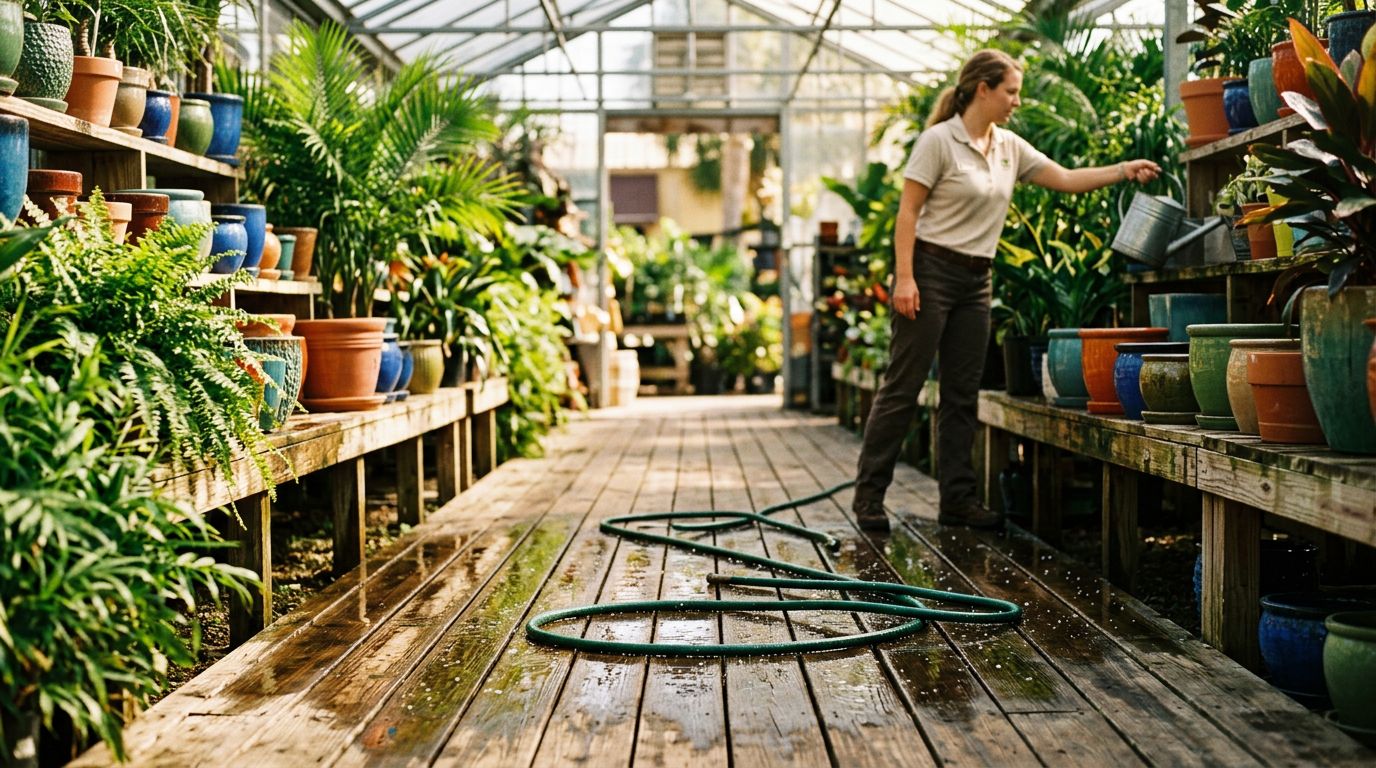
A hose stretched across a garden center aisle can turn a routine shopping trip into a serious injury case. In Florida, those falls often raise the same question: did the store know about the hazard, or should it have known?
That question matters because hoses are common in plant nurseries and garden centers. So are wet walkways, loose irrigation lines, and employees moving plants with water nearby. Watering logs can become a key part of the evidence, especially when they show when staff last watered a section before someone tripped.
If you were hurt in one of these falls, the details around the hose, the floor, and the store’s records can shape the claim. The strongest cases usually come down to proof, not assumptions.
Why hoses create serious trip hazards in garden centers
Garden centers are busy places with narrow aisles, carts, heavy pots, and constant watering. That mix creates hazards that can be easy to miss and hard to avoid. A hose lying low across a walkway can blend into the floor, especially if the hose is dark, damp, or partly hidden by plants.
The risk goes up when employees move quickly or customers are crowded into the same area. A hose can shift after a worker moves it, unwind from a spool, or cross a path during watering. Wet concrete or tile makes the fall worse because shoes slip before the person can catch balance.
Common hose-related hazards include:
- Hoses left across walking paths
- Loose irrigation lines near plant displays
- Water puddles near hose connections
- Cords and hoses mixed together
- Poor lighting around outdoor and covered display areas
A trip like this is not just a clumsy moment. It can cause broken wrists, shoulder injuries, head trauma, back pain, and knee damage. Some injuries show up right away. Others get worse over the next few days.
How watering logs fit into a Florida hose trip claim
Watering logs are records that show when staff watered plants, cleaned aisles, or handled irrigation in a certain area. In a Florida hose trip claim, those logs can help answer one central issue: how long the hazard existed before the fall.
If a log shows a section was watered minutes before the incident, that may support the idea that employees created or failed to clear the hazard. If the log shows the area had not been checked in a long time, that can point to weak inspection practices. Either way, the record matters.
A watering log can also help with timing. For example, if the store says an employee moved the hose away from the walkway, the log may show whether that happened before or after the fall. When the log matches witness statements, photos, or surveillance video, the claim gets stronger.
A clean log can help a store, but a missing log can help show careless recordkeeping.
Here’s a simple view of how different records can matter:
| Record | What it may show | Why it matters |
|---|---|---|
| Watering log | When staff watered a section | Helps place the hose in time |
| Inspection log | When aisles were checked | Shows whether the hazard could have been found |
| Incident report | What the store recorded after the fall | Locks in the store’s first version of events |
| Surveillance video | Where the hose was before the fall | Can confirm or challenge the written records |
The point is not that one record wins the case. The point is that the records can fit together like pieces of a puzzle.
Evidence that strengthens a garden center injury case
A fall case is easier to prove when you collect evidence quickly. Photos matter because garden center conditions change fast. Workers may move the hose, dry the floor, or reopen the aisle within minutes. Once that happens, the scene may look nothing like the place where you fell.
Written details help too. Note the exact aisle, the time, the weather, and whether any employee was nearby. If someone saw the hose before the fall, get that person’s name and number. Witnesses often leave before security or management finishes the paperwork.
Medical care matters as well. A doctor’s record ties the injury to the fall and shows how serious the harm was. If you wait too long, the store may argue that something else caused the pain.
Strong evidence often includes:
- Photos of the hose, wet floor, or puddles
- Names of employees and witnesses
- A copy of the incident report
- Store surveillance video, if available
- Medical records from the first visit and follow-up care
- Receipts for treatment, medication, or assistive devices
If the injury keeps you out of work or limits daily tasks, keep those records too. Lost wages, therapy visits, and ongoing pain can all matter in the claim.
For people who want help sorting through those records, Florida personal injury attorneys can review the proof and look for gaps in the store’s story.
What stores may argue after a hose trip
Garden centers rarely admit fault right away. Instead, they often point to the condition of the aisle or the customer’s attention. They may argue that the hose was visible, that warning cones were in place, or that the shopper should have seen the hazard.
That defense is common, but it is not the end of the story. A hose can be visible and still be dangerous. The question is whether the store acted reasonably under the circumstances. A bright hose may still blend into a crowded display area. A warning sign may not help if it sits too far from the actual hazard.
Stores may also challenge the records. A watering log can be incomplete, handwritten after the fact, or inconsistent with employee statements. Sometimes the store has no useful log at all. In other cases, the logs show a routine that was never followed on the day of the fall.
When that happens, the claim can turn on whether the store had actual notice or constructive notice. In plain terms, did the store know about the hazard, or was it there long enough that staff should have found it during normal checks? That question sits near the center of many Florida trip-and-fall cases.
Steps to take right after a hose-related fall
The minutes after a fall can feel chaotic, but simple steps can protect both your health and your claim. A clear record starts at the scene.
- Get medical help first. Even if the pain seems minor, get checked out as soon as you can.
- Report the fall to management. Ask for a copy of the incident report before you leave.
- Take photos right away. Capture the hose, the floor, nearby signs, and the whole aisle.
- Get witness names. Employees and shoppers may remember details that fade later.
- Save your clothes and shoes. They can show wetness, dirt, or impact marks.
- Keep every medical record. That includes urgent care visits, imaging, therapy, and prescriptions.
Do not rely on the store to keep the evidence for you. Surveillance footage can be overwritten, and paper logs can disappear. A quick response gives your side a much better chance.
Why these claims need careful legal review
A hose trip case may look simple at first glance, but the proof often gets messy fast. The store may have logs, video, and employees with different stories. Your injuries may also involve more than one body part, which can make the medical picture harder to sort out.
That is why documentation matters so much in these claims. A strong file can show where the hose was, how long it stayed there, and whether staff followed their own watering routine. When the records do not match the scene, that gap can become a major issue.
In Florida, a claim like this often depends on details that are easy to lose. The timing of watering, the condition of the aisle, and the store’s inspection habits can all affect the outcome. The sooner those facts are preserved, the better.
Conclusion
A fall over a hose in a garden center is never just a minor slip. It can leave lasting pain, missed work, and medical bills that pile up fast. The strongest Florida hose trip claims usually have one thing in common, clear proof of what the store knew and when it knew it.
Watering logs can help fill in that timeline. So can photos, witnesses, video, and medical records. When those pieces line up, they can show whether the store left a dangerous condition in place long enough to make the fall preventable.