
Florida Delayed C-Section Claims and Fetal Distress Records
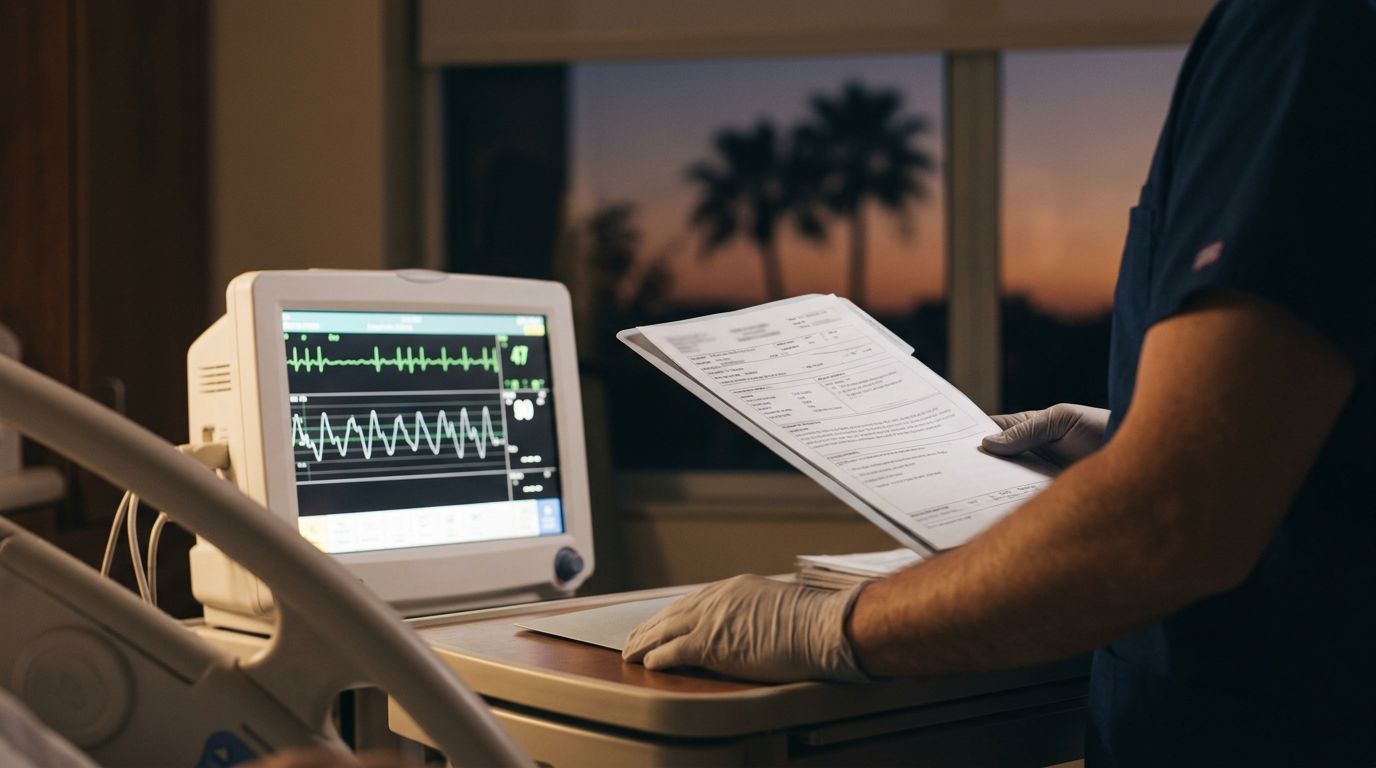
When a baby’s oxygen supply is at risk, minutes matter. A delayed emergency C-section can turn a difficult delivery into a serious injury claim, and the strongest evidence often sits in the hospital chart.
In Florida, families usually need more than a bad outcome to move a case forward. They need records that show when fetal distress started, who saw it, and why the surgical team did or did not act.
That paper trail can be powerful. It can also be incomplete, which is why timing, notes, and monitor strips matter so much in delayed c-section claims.
When a Delay Becomes a Florida Claim
A delayed C-section case is not built on hindsight alone. The question is whether the medical team responded as a careful provider should have responded under the same facts.
During labor, doctors and nurses watch for signs that the fetus is not tolerating the birth process. If the monitor shows a worsening pattern, the team may need to move fast. A true emergency can leave little room for debate.
Still, not every stressful delivery creates a claim. Florida malpractice cases usually need proof of three things, a duty of care, a breach of that duty, and harm caused by the breach. The delay has to matter medically, not just emotionally.
Common failure points often include:
- slow reaction to abnormal fetal heart rate patterns
- delayed communication between nurses, OB doctors, and anesthesia staff
- waiting too long to call the operating room team
- poor documentation of why the C-section did not happen sooner
A missed window can change everything. If the records show a clear warning and a slow response, the case may look very different from a labor that became dangerous without warning.
What Fetal Distress Records Usually Show
Fetal distress is often documented before anyone uses those exact words. The chart may describe “nonreassuring fetal heart tones,” “Category II tracing,” or “Category III tracing.” Those labels matter because they can show how serious the situation looked in real time.
The most important records often come from the labor monitor strip. That strip can show decelerations, reduced variability, tachycardia, or a pattern that gets worse over time. A lawyer and medical expert will often compare those patterns with the timing of staff notes.
A chart rarely tells the whole story by itself. The strength is in the timeline.
Nursing notes can be just as important. They may show when the nurse first reported distress, when the doctor was paged, and whether anyone came to the bedside. Physician notes can show whether the provider believed the baby was stable or whether the chart called for a faster response.
Other records may fill in the gaps. Medication logs can show whether labor was being induced or augmented. Anesthesia notes can show when the OR was ready. Delivery records can show how much time passed between the decision for surgery and the actual incision.
That gap is often the heart of the case. In a true emergency, the clock matters as much as the diagnosis.
Records and Timelines That Matter Most
Some records carry more weight because they show exactly when the problem was noticed and when the response started. In a delayed C-section case, small time stamps can make a large difference.
| Record | What it can show | Why it matters |
|---|---|---|
| Fetal heart monitor strip | Decelerations, variability, and ongoing distress | Shows whether the baby was worsening before the C-section decision |
| Nursing notes | Calls to the doctor, bedside observations, escalation steps | Shows when staff recognized the problem |
| Physician notes | Assessment, orders, and response time | Shows whether the doctor acted reasonably |
| Medication record | Induction agents, pitocin changes, pain medicine | Shows whether labor management may have added stress |
| Operative report | Decision time, incision time, delivery time | Shows the delay between decision and action |
A record set like this can support one of two stories. It may show a careful team that responded as soon as the situation changed. Or it may show a delay that no longer makes sense once the timeline is laid out line by line.
The operative report is often one of the most important documents. If the decision for surgery came late, or the baby was not delivered until long after the decision, the chart may raise serious questions about response time.
How Florida Medical Malpractice Law Fits In
Florida birth injury claims are usually treated as medical negligence cases. That means the claim must connect the injury to a medical failure, not just to a bad result.
These cases also bring strict procedural rules. Florida medical malpractice claims usually require presuit investigation and notice before a lawsuit can begin. Because of that, families should not wait until memories fade or records disappear.
Expert review matters too. An attorney will often work with an obstetric expert, a neonatal expert, or both. Those experts can explain whether the tracing called for an immediate response and whether the delay fell below the accepted standard of care.
This is where a lawyer who handles serious injury matters can help. For families comparing firms, factors to consider when hiring a Florida injury attorney can include medical experience, access to experts, and a clear record of handling complex claims.
A firm that handles hospital injury cases should also know how to read charts, compare time stamps, and press for complete records. If the file is missing pages or the timeline does not add up, that needs attention right away.
What Families Should Do After Suspected Delay
The best time to gather proof is early. Once the hospital knows a claim may be coming, record requests and internal reviews can move fast.
- Request the full chart, not just the discharge summary.
- Save every NICU note, bill, test result, and discharge paper.
- Write down the timeline while it is still fresh, including what staff said.
- Ask for a legal review before the records become harder to sort out.
Those steps do more than preserve evidence. They help show whether the care team recognized fetal distress in time, then failed to act.
Families also benefit from a lawyer who has handled serious Florida injury claims before. Experienced personal injury attorneys in Florida can help compare the chart to the actual hospital timeline, which is often where delayed C-section cases are won or lost.
If the record contains contradictions, those should not be ignored. A note saying “urgent” beside a long delay can raise a very different question than a chart that honestly shows a sudden, unavoidable emergency.
The Bottom Line for Florida Families
A delayed emergency C-section claim rises or falls on the records. The monitor strips, nurse notes, physician entries, and operative times can show whether fetal distress was recognized and whether the team moved too slowly.
That is why missing chart details matter. A clean timeline can support the hospital, but a broken one can point to a preventable mistake.
When a baby’s first minutes are on the line, the paper trail matters as much as the medicine.