
Florida Elevator Door Injury Claims and Service Records
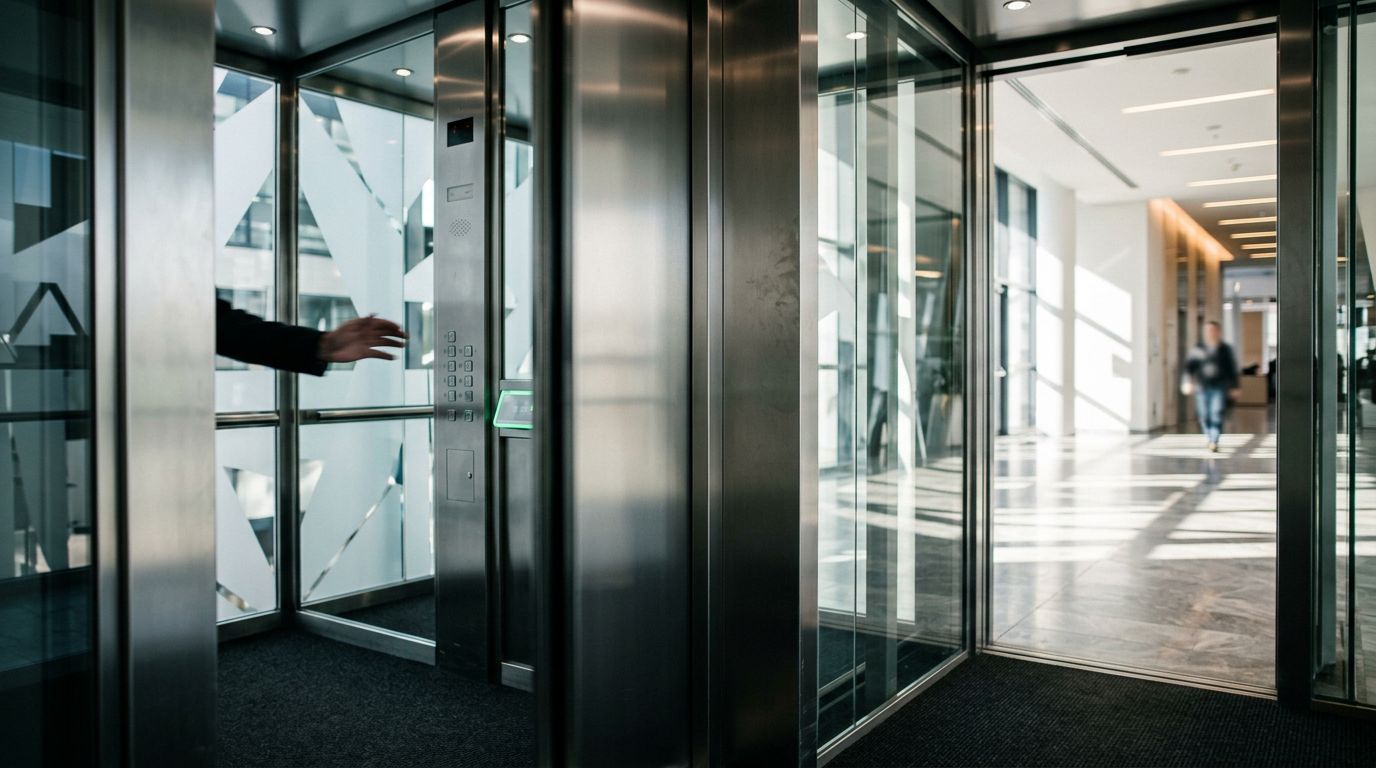
An elevator door that closes too fast can cut, crush, or throw someone off balance in seconds. When that happens, the first question is often what happened to the door, not only what happened to the body.
In Florida elevator door injury claims, the answer often sits in maintenance logs, repair tickets, and inspection notes. Those records can show whether the problem was a one-time failure or a warning sign that someone ignored. The paperwork behind the machine often matters as much as the injury itself.
Start with how these injuries happen, then follow the records that can prove the cause.
Why elevator door injuries happen
Elevator doors injure people in a few common ways. A sensor can fail to detect a person in the opening. A closing panel can strike a hand, shoulder, or face. A misaligned door can pinch clothing or drag someone back before the rider has time to react.
Those injuries happen in places people trust, such as hotels, apartment buildings, hospitals, and office towers. That trust matters, because riders usually step in without testing the door first. When a door closes too fast or reopens too late, a person can twist, fall, or brace with an arm and end up with more than a bruise.
Some injuries show up right away. Others appear later as neck pain, wrist damage, cuts, or a concussion from the fall. In a claim, the question is not only what caused the injury, but whether the problem had already shown up in the service history.
If the door had stuck, slammed, or trapped people before, the owner or contractor may have had a chance to fix it and did not.
Service records often decide the claim
Service records can turn a complaint into a timeline. They show who touched the elevator, when work happened, and whether the same issue kept coming back.
Here is the kind of paperwork that often matters most:
| Record type | What it may show | Why it matters |
|---|---|---|
| Maintenance log | Dates of checks, adjustments, and missed visits | Shows whether the elevator got regular attention |
| Repair ticket | Complaints about closing speed, sensor failure, or repeated jams | Proves the same problem happened before the injury |
| Technician notes | Temporary fixes, part replacements, or unresolved problems | Helps show the door was not fully repaired |
| Inspection report | Safety concerns, failed tests, or follow-up items | Can connect the claim to a known hazard |
The best files do more than confirm that someone visited the building. They show the exact complaint, the part that was replaced, and whether the repair solved the problem. A note that says “adjusted door” is far less useful than one that says the sensor failed, the door closed early, and a follow-up visit was scheduled.
A clean file can help the defense. A file with gaps can help the injured person, especially when earlier complaints, repeat visits, or temporary fixes appear. Missing logs can matter too, because a building that should have records but cannot produce them raises real questions about maintenance.
Repeated complaints matter because they show notice, not surprise.
What to look for in an elevator service file
Not every service file tells the same story. The most useful records show the complaint, the response, and the follow-up. A short note with no date or repair detail helps less than a file that tracks the same problem over time.
Look for repeated reports about the door closing too fast, stopping short, bouncing back, or failing to detect a person. Also watch for delay between the complaint and the repair. Even a brief gap can matter when the injury happened in that window.
Date stamps help connect the file to the day of the incident. So do emails, work orders, and texts between the property manager and the contractor. Those details can reveal whether the problem was being handled seriously or simply pushed aside.
Evidence that strengthens the case
Service records are strong, but they rarely stand alone. Photos, medical notes, and witness names fill in the rest.
- Photos of the scene can show the door edges, threshold, warning signs, or broken parts before anyone changes the area.
- Medical records connect the door impact to the injury and show how serious the harm became.
- Witness statements can confirm that the door closed suddenly or that people had complained about it before.
- Building reports and video may show what the manager knew and when staff first responded.
The goal is simple. Show what the door did, show what hurt the person, and show who had control of the equipment.
Who may be responsible in Florida
Florida elevator cases can involve more than one defendant. The property owner may control the premises. A management company may handle complaints. An elevator contractor may inspect, service, or repair the door. In some claims, the manufacturer or installer may also matter if the equipment itself was defective.
That split matters because each party may hold a different part of the paper trail. One company may have received the complaint. Another may have signed the work order. A third may have approved a temporary repair that never solved the problem.
Florida negligence cases can involve shared fault arguments, so a defense may claim the injured person moved too fast or ignored a warning sign. That argument does not erase a strong maintenance history, especially when the door had already shown the same problem.
An attorney who handles experienced personal injury attorneys can sort through those records and decide which party is actually responsible.
What damages can follow a door injury
A door injury can lead to more than an emergency room visit. Medical bills may include imaging, stitches, orthopedic care, therapy, or follow-up treatment. Some people also miss work, lose overtime, or need help at home for a while.
Pain and lasting limitations matter too. A hand injury can make driving hard. A shoulder injury can interfere with lifting. A head injury can affect sleep, balance, and concentration.
Service records help here as well, because they can support the link between the malfunction and the injury. When the paperwork shows a long repair history, it can also help explain why the harm was not a freak accident.
What to do after the injury
Early mistakes can hurt a case. Delayed care, missing photos, and lost paperwork often make proof harder to find, which is why common mistakes in injury claims matter so much.
- Get medical care right away and follow the treatment plan, because the medical record becomes part of the claim.
- Report the incident to property management and ask for a copy of the report before leaving the building.
- Photograph the door, the threshold, your injuries, and any warning signs while the scene still looks the same.
- Save clothing, shoes, receipts, and witness names, because small details can support timing and force.
- Ask a lawyer to request maintenance logs, inspection files, and video before they disappear.
The sooner those records are requested, the better. Camera footage is often overwritten on a routine schedule, and paper files can be misplaced or discarded.
Conclusion
A closing elevator door can look like a brief mechanical problem, but the records often tell a bigger story. Repeated complaints, missed inspections, and quick repairs can point to negligence long before anyone gets hurt.
That is why service records matter so much in these cases. They back up the medical proof, show who had control, and help separate a true accident from a preventable failure.
If your injury happened in Florida, the paper trail should be reviewed quickly. The right claim often depends on what the records say before they vanish.