
Florida Rainwater Fall Claims at Store Entrances and Camera Footage
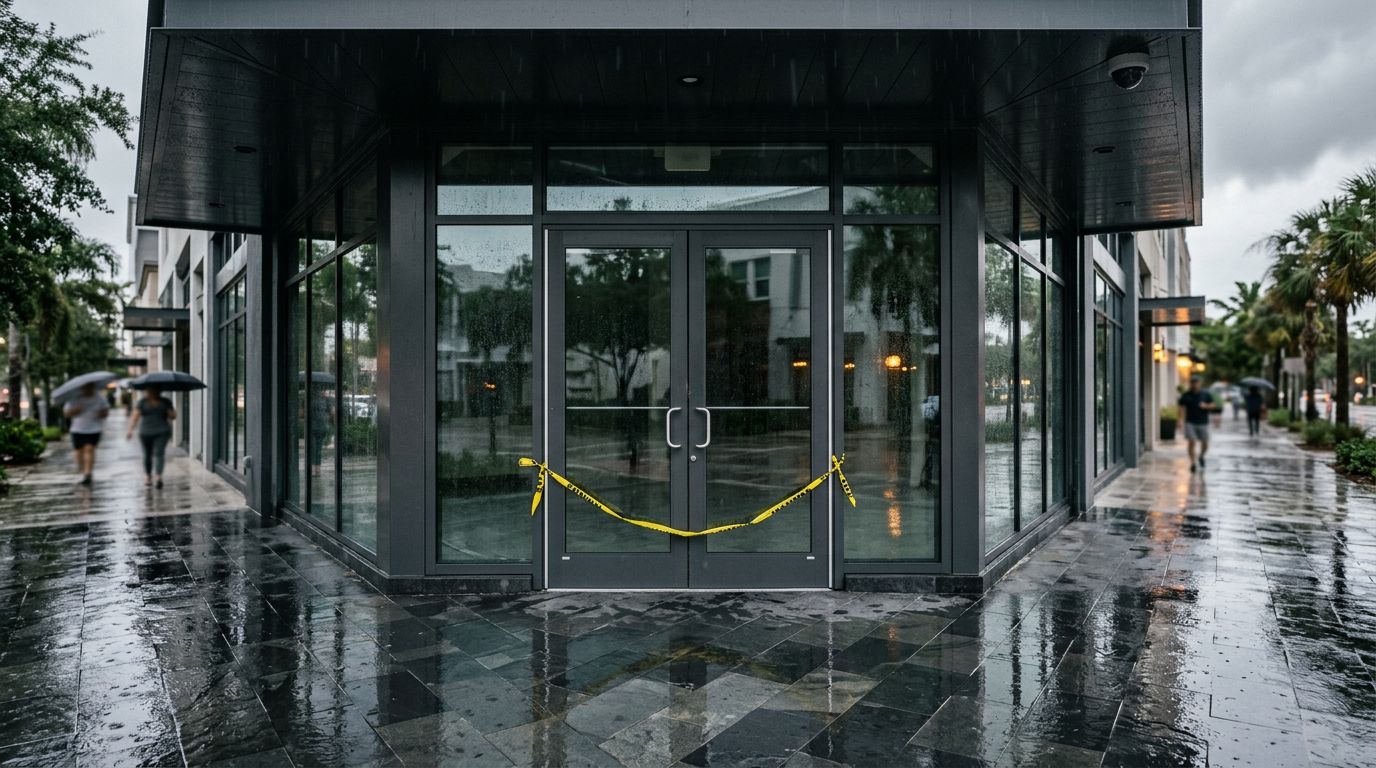
A wet entrance can turn a normal shopping trip into a painful claim in seconds. In Florida, that kind of fall often raises the same questions: who knew about the water, how long was it there, and what did the store do about it?
Rainwater cases look simple until the evidence comes out. Then the small details matter, especially entry camera footage, floor conditions, and how quickly employees reacted.
Key Takeaways
- Rain at the door does not end the analysis. Florida claims often turn on notice and reasonable care.
- Camera footage can show the floor before the fall, the fall itself, and the store’s response after it happened.
- Photos, witness names, incident reports, and medical records still matter.
- Quick action helps because video can be overwritten and store conditions change fast.
- A Florida slip and fall lawyer can help preserve evidence and assess the claim.
Why rainy store entrances create legal disputes
Rainwater inside a store usually collects where foot traffic is heaviest, near the front door. Shoes, carts, and umbrellas all bring water across the threshold. That makes the entrance a predictable trouble spot, not a random one.
Florida law often focuses on whether the store had actual or constructive knowledge of the wet floor. In plain terms, did employees know about it, or should they have known about it through routine checks and reasonable care? For a closer look at that issue, see Florida premises liability duty of care.
A rainy day does not excuse everything. Businesses still need to watch the entrance, place mats where needed, mop standing water, and use warning signs when conditions call for them. If the floor stays slick long enough to be found, or if the same entrance repeatedly gets wet, those facts can matter a lot.
That is why Florida rainwater fall claims often turn on timing. A few minutes can separate a routine cleanup from a serious safety failure.
What entry camera footage can prove
Camera footage can do what witnesses often cannot. It shows the scene before memories fade and before the store cleans the area. It can also show whether the hazard appeared suddenly or sat there long enough for staff to act.
A good clip may reveal several important facts at once. It can show the condition of the entrance, the amount of foot traffic, whether a mat was present, and whether an employee walked past the water. It may also show the moment someone fell and how the staff responded afterward.
If the camera shows water on the floor before the fall, that footage can become the center of the case.
Video is especially useful because it answers quiet but important questions. Was the floor glossy from a thin film of water, or was there a visible puddle? Did a warning cone stand near the entrance? Did a worker appear to notice the problem and keep moving?
The footage can also help with credibility. If a store claims it just finished mopping, the video may show otherwise. If an employee says the area had been checked, the recording may confirm it, or contradict it.
Still, video does not stay available forever. Many systems overwrite old footage quickly, so the request for preservation should go out early. A delayed request can leave you with a claim and no recording to prove it.
Evidence that strengthens a rainwater slip and fall claim
Camera footage matters most when it fits with other proof. A claim becomes stronger when the pieces line up and tell the same story. That is where the rest of the record comes in.
The most useful evidence usually includes:
- Photos of the scene: Show the water, the floor surface, warning signs, mats, and lighting.
- The shoes and clothing worn that day: They can help show how the fall happened and what the surface did to you.
- Witness names and statements: Other shoppers or employees may have seen the water or the fall.
- The incident report: Stores often create a report soon after the event, and the wording can matter.
- Medical records: These connect the fall to the injury and show how serious it was.
This evidence helps prove both the cause of the fall and the effect on your body. A wet entrance may look minor, but a hard landing can lead to sprains, fractures, back injuries, or a head injury.
Florida law also asks whether the store knew, or should have known, about the hazard. That is where patterns matter. Footprints through water, dirty tracks, repeated employee traffic near the spill, or a long delay before cleanup can all help show the condition existed long enough to be found.
For more detail on that issue, rainwater slip and fall claims at store entrances often turn on how the water got there and what the store did next.
Common defense arguments from stores and insurers
Stores rarely admit fault right away. Instead, they often point to the weather and say the hazard was obvious. That argument sounds simple, but it does not end the case.
A business may claim there was rain outside, so water inside was unavoidable. It may say mats were down, warning signs were posted, or employees had already inspected the area. Sometimes the store argues that the fall happened too quickly for staff to react.
Insurers may push a different angle. They may question the seriousness of the injury, suggest the shopper was distracted, or argue that footwear played a role. In some cases, they say another customer caused the water moments before the fall.
These defenses are why entry camera footage matters so much. A short recording can show whether a sign was present, whether the area had been inspected, and whether the store really acted in time. If the footage shows a long gap between the first sign of water and the fall, the defense gets weaker.
That said, not every wet floor creates liability. The law still asks whether the store used reasonable care under the circumstances. A clean record helps a store. A sloppy one, or a missing one, helps the injured person.
What to do after a fall in a Florida store
The first few hours after the fall matter. Your actions can protect both your health and your claim.
- Get medical care right away, even if the pain seems manageable.
- Report the fall to the store manager and ask for a copy of the report.
- Take photos of the floor, the entrance, the weather, and your shoes.
- Get names and phone numbers for any witnesses.
- Save the clothing and shoes you wore.
- Ask a lawyer to request the camera footage before it disappears.
That last step matters because stores control the video. They also control the reports, maintenance logs, and inspection records. Once those materials are gone, rebuilding the scene gets harder.
Working with Florida slip and fall lawyers can help preserve that evidence early. An attorney can also review whether the store had notice of the wet floor and whether the response matched the risk.
Conclusion
A wet entrance may seem like a routine hazard, but Florida rainwater fall claims turn on proof, not assumptions. Camera footage, store records, and witness statements can show whether the business acted with reasonable care or let a known danger sit in place.
If a rainy-day fall left you injured, the earliest evidence usually tells the clearest story. The video, the floor, and the store’s response can say more than the weather ever will.