
Florida CRPS Claims After an Accident: Proving Long-Term Losses
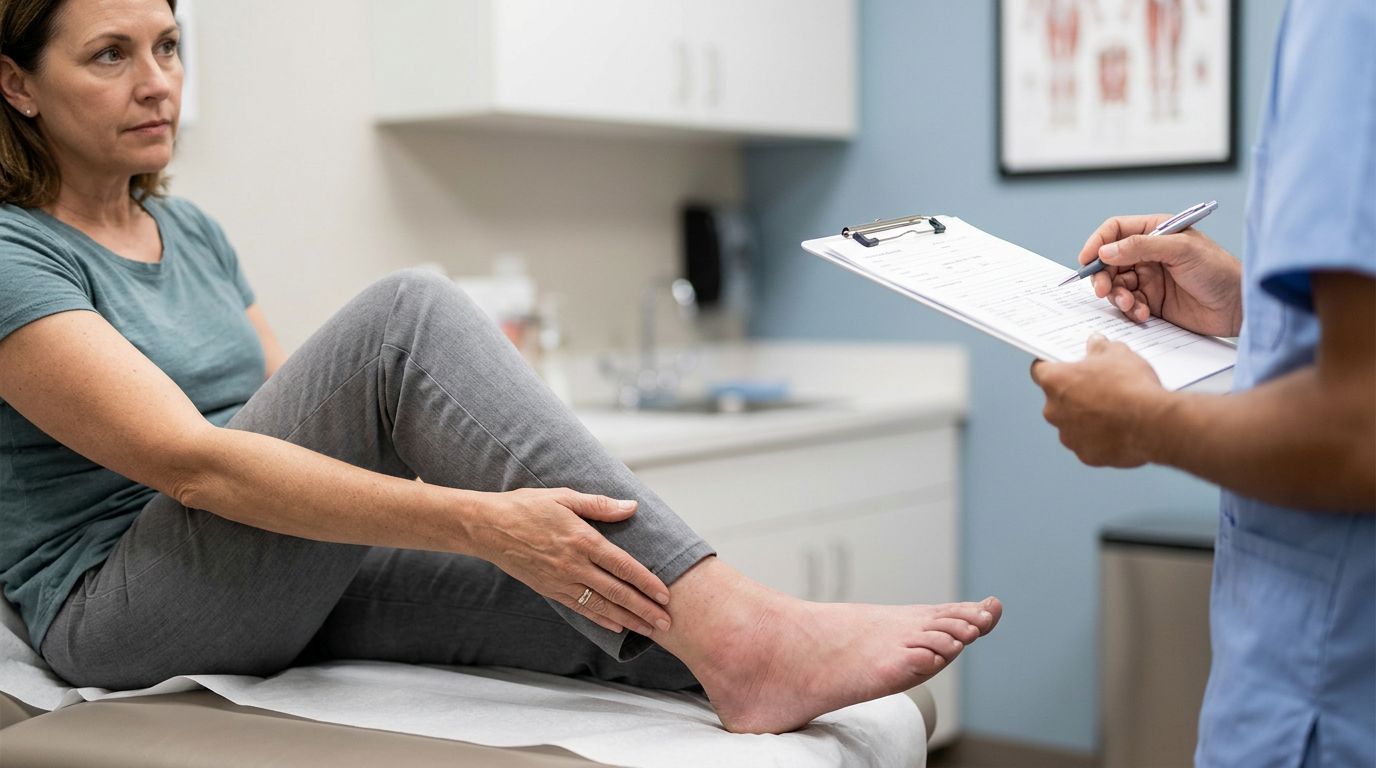
Complex Regional Pain Syndrome (CRPS) is a chronic pain condition that can make an apparently minor injury disabling, even after it seems to heal. For people pursuing Florida CRPS claims, the main challenge is connecting the diagnosis to the accident. They must also show how pain limits work, daily activities, and future earning ability.
A strong claim needs more than a diagnosis. It needs a clear medical timeline, consistent examination findings, medical documentation, and evidence of financial loss. The legal path also depends on whether a negligent driver or property owner caused the injury, or whether the condition arose from your job.
Key Takeaways
- A CRPS claim needs more than a diagnosis. Medical records should connect the condition to the accident or workplace injury through a clear timeline, repeated findings, and opinions about causation and prognosis.
- Functional evidence is critical. Pain diaries, work records, treatment notes, and testimony can show how CRPS affects movement, sleep, daily activities, employment, and future earning ability.
- The claim process depends on how the injury occurred. Car crashes and falls generally involve personal injury claims, while work-related CRPS may qualify for workers’ compensation benefits and, in some cases, a separate third-party claim.
- Compensation may include past and future medical care, lost income, reduced earning capacity, and other damages allowed under Florida law. Future treatment and permanent work limitations should be supported by medical, life-care-planning, and vocational evidence.
- Deadlines can run before CRPS receives a formal diagnosis. Personal injury and workers’ compensation claims have different notice and filing rules, so preserving records and obtaining legal advice promptly is important.
What CRPS Means After a Florida Injury
Complex Regional Pain Syndrome is a chronic pain condition involving abnormal nerve signaling after an injury. It can develop after a fracture, surgery, crush injury, sprain, or other trauma. In some cases, the original injury appears minor compared with the pain that follows.
Common symptoms include burning pain, throbbing pain, extreme sensitivity to touch, swelling, stiffness, weakness, and reduced movement. The affected arm or leg may also show changes in skin color, temperature, sweating, hair, or nails.
CRPS can affect a person’s ability to walk, grip objects, dress, sleep, drive, or use a computer. Those functional limits often matter as much as the pain score when an insurer or court evaluates damages.
CRPS Type I and Type II
Doctors generally classify CRPS as Type I or Type II.
Type I, formerly called Reflex Sympathetic Dystrophy or RSD, occurs without confirmed damage to a specific nerve. Type II, formerly called causalgia, involves identifiable nerve damage. Both types can cause severe symptoms and long-term disability.
The classification can affect the medical evidence required in a claim. However, the label alone doesn’t determine whether an injured person deserves compensation. The record must still show that the condition resulted from the accident or workplace injury.
How the Budapest Criteria Support Diagnosis
CRPS is diagnosed clinically. No single X-ray, MRI, or blood test proves the condition. Doctors evaluate the patient’s history, symptoms, physical findings, and possible alternative explanations.
The Budapest diagnostic criteria require continuing pain that is disproportionate to the original event. The patient must report symptoms in at least three of four categories, and the doctor must observe signs in at least two categories:
- Sensory changes, such as allodynia or increased sensitivity to pain.
- Vasomotor changes, including temperature or skin-color differences.
- Sweating changes or swelling.
- Motor or tissue changes, such as limited movement, weakness, tremors, or altered hair, skin, and nails.
The criteria also require doctors to determine that another diagnosis doesn’t better explain the symptoms. Symptom variability can affect findings between visits, but repeated objective findings can make the diagnosis easier to defend.
Why Insurers Challenge Florida CRPS Claims
Insurance companies often dispute CRPS because pain is personal and imaging may not show a clear injury. Complex Regional Pain Syndrome diagnoses may be challenged when symptoms lack visible imaging findings. An adjuster may argue that symptoms are exaggerated, psychological, unrelated to the accident, or caused by a prior condition.
Those arguments don’t make CRPS less real. They show why detailed medical documentation must connect the original trauma to later symptoms with precision.
Medical proof matters
A claim is stronger when treatment records describe specific findings rather than only stating that the patient is in pain. Useful records may document:
- Pain from light touch, clothing, or ordinary pressure.
- Differences in temperature or color between limbs.
- Swelling, sweating changes, or unusual sensitivity.
- Reduced range of motion, weakness, tremors, or difficulty walking.
- Changes in sleep, concentration, balance, or hand use.
- Work restrictions and activities the patient can no longer perform.
Pain management specialists, neurologists, orthopedists, or other qualified physicians may provide important expert testimony. The physician should address the diagnosis, its connection to the injury, required treatment, and prognosis.
Causation and pre-existing conditions
Insurers often examine the time between the accident and the first CRPS symptoms. A delayed diagnosis doesn’t automatically defeat a claim. CRPS may emerge gradually, and a physician may need several appointments to recognize the pattern.
Prior pain or a pre-existing condition can complicate the case, but it doesn’t automatically defeat a claim. The relevant question is whether the accident caused CRPS, aggravated that condition, or created new functional limitations. Complete disclosure of past medical history remains important and is safer than allowing an insurer to find incomplete information first.
Florida CRPS Claims: Personal Injury or Workers’ Compensation?
The source of the injury determines the claim process. Car accidents, slip and fall accidents, and medical injuries usually involve a personal injury claim. A condition that arose out of employment may qualify for workers’ compensation benefits.
Personal injury after a crash or fall
A personal injury claim usually requires proof that another party acted negligently. Evidence supporting that injury claim may include the crash report, photographs, witness statements, medical records, employment records, and testimony from medical experts.
Florida’s no-fault auto insurance system generally makes Personal Injury Protection, or PIP, the first source for certain medical expenses and lost income after a covered crash. PIP generally requires initial medical treatment within 14 days. The Florida PIP wage benefits guide explains how disability benefits may cover part of lost gross income.
A claim against the at-fault driver may seek damages beyond PIP, including past and future medical costs, lost income, reduced earning capacity, and pain and suffering. To recover non-economic damages after a motor vehicle crash, the injury must meet Florida’s legal threshold. A permanent disability isn’t automatically enough. The relevant standard focuses on legally significant permanent impairment or loss of an important bodily function. Medical evidence must establish the limitation. The Florida serious injury threshold provides additional information about this issue.
Work injuries and workers’ compensation
Workers’ compensation doesn’t require an employee to prove that the employer was negligent. If CRPS arose from a covered workplace injury, the employee may seek workers compensation benefits for authorized medical care and disability payments.
Benefits can include treatment with approved providers, temporary total disability payments, temporary partial disability payments, and impairment income benefits after maximum medical improvement. Workers’ compensation generally doesn’t provide non-economic damages for pain and suffering. However, a separate claim may exist against a negligent third party who caused the workplace injury.
If a work-related crash occurred during a special work assignment, additional rules may apply. A normal commute usually falls under Florida’s going-and-coming rule, although exceptions exist. The facts surrounding the trip, the employer’s control, and the purpose of the travel all matter.
What Compensation May Cover
CRPS claims often involve expenses and losses that continue long after the initial emergency treatment. A settlement or award must account for these economic damages and the condition’s effect on the person’s future, not only the bills already incurred.
Future medical treatment
Treatment varies by patient. A care plan may include pain-management visits, prescription medication, physical therapy, occupational therapy, desensitization exercises, injections, nerve blocks, or spinal cord stimulation after less-invasive treatment fails.
Past bills are usually easier to calculate than future care. Life care planners can review the physician’s recommendations and estimate the frequency, duration, and cost of future treatment. Their projections should address follow-up visits, medication changes, equipment, device replacement, transportation, and possible assistance with daily activities.
The medical opinion must also explain why the future care relates to the accident. An insurer may accept the diagnosis while disputing whether every proposed treatment is reasonable, necessary, or accident-related.
Lost income and reduced earning ability
A CRPS claim may include lost wages during treatment, missed hours, diminished benefits, and reduced earning capacity. The last category matters when the person can work only part-time, needs lighter duties, or changes careers. Lasting restrictions may support a finding of permanent disability when the person can’t return to the same occupation.
Vocational experts may compare the person’s pre-injury job duties, education, training, work history, restrictions, and transferable skills with available post-injury employment. Wage records and employer statements can show the difference between prior earnings and post-injury income.
For work injuries, the actual workers’ compensation rate depends on the worker’s average weekly wage and benefit category. For injuries occurring on or after January 1, 2026, Florida’s official rate table lists a maximum weekly rate of $1,358 and a minimum of $20. Those figures are limits, not automatic payments. The Florida workers’ compensation wage benefits guide explains the difference between temporary total and temporary partial disability benefits.
How to Document Daily CRPS Losses
Medical documentation shows the condition, but daily records show what it does to a person’s life. A consistent record also helps the physician identify changes that may not appear during a short appointment.
Keep a functional pain diary
A useful diary should focus on function, not dramatic descriptions. Each entry can record:
- The date, affected body part, pain level, and type of pain.
- Whether touch, movement, temperature, or clothing caused symptoms.
- Swelling, color changes, temperature differences, or sweating.
- How long walking, standing, typing, lifting, or driving was possible.
- Sleep interruptions, medication effects, and therapy exercises.
- Missed work, reduced hours, canceled activities, or help needed at home.
For example, “couldn’t use my hand” is less useful than “stopped typing after 20 minutes because of burning pain, then needed help opening a jar.” Specific entries connect symptoms to measurable limitations.
A diary doesn’t replace clinical evidence. Instead, it supplements that evidence with concrete information for the treating provider to evaluate and document.
Preserve work and treatment records
Keep appointment summaries, referrals, prescriptions, therapy records, diagnostic reports, bills, insurance explanations of benefits, and work-status forms. Save pay stubs and schedules that show reduced hours or missed shifts.
Ask the treating physician to address restrictions in practical terms. Can you stand for a full shift? Can you use both hands for repetitive tasks? How often will symptoms interrupt work? Are the limitations expected to continue after maximum medical improvement?
If future care is under discussion, ask life care planners what treatment the doctor actually recommends, how often it may occur, and what assumptions support the projected cost. Vocational experts should explain how restrictions affect available jobs and earning capacity.
Deadlines Can Affect a Florida CRPS Claim
Waiting for a final diagnosis can create a serious timing problem. The statute of limitations may begin before a physician gives the condition its formal name.
Personal injury deadline
For negligence claims accruing on or after March 24, 2023, Florida generally provides two years to file a personal injury lawsuit. The official Florida Statutes section 95.11 contains the current limitation rules. Older claims may fall under a different deadline, and exceptions can change the calculation.
CRPS may not be diagnosed until months after a crash. With car accidents, the collision date commonly matters even when CRPS is diagnosed later. That delay doesn’t necessarily extend the filing period, so preserve records and investigate the injury claim before diagnosis is final. Obtain legal advice soon after the injury so the claim isn’t lost while treatment continues.
Workers’ compensation deadlines
Under Florida Statutes section 440.185, an employee generally must notify the employer of a work injury within 30 days after learning of it. A petition for benefits is generally subject to the time limit in section 440.19, although exceptions and later medical developments can affect the analysis.
Report symptoms promptly, follow authorized treatment, and keep copies of every notice. A Florida attorney can assess the correct deadline and determine whether the facts support personal injury, workers’ compensation, or both.
Frequently Asked Questions
Can I bring a Florida CRPS claim if my original injury seemed minor?
Yes. CRPS can develop after a fracture, sprain, surgery, crush injury, or other trauma that initially appears minor. The claim must still be supported by medical evidence connecting the condition and resulting limitations to the injury.
What evidence helps prove a CRPS claim?
Useful evidence includes treatment records, Budapest criteria findings, diagnostic opinions, therapy notes, medication records, work restrictions, wage information, and a detailed functional pain diary. Repeated documentation of symptoms and practical limitations can help respond to arguments that the condition is exaggerated or unrelated.
Is a delayed CRPS diagnosis a problem?
A delayed diagnosis does not automatically defeat a claim because CRPS may develop gradually or take several appointments to identify. However, the accident date may still control the filing deadline, so treatment and legal investigation should begin promptly.
Can I receive compensation for future losses caused by CRPS?
Potentially. A claim may include future medical treatment, reduced earning capacity, and assistance with daily activities when those losses are supported by appropriate medical, life-care-planning, or vocational evidence.
Does workers’ compensation cover CRPS after a workplace injury?
If CRPS arose from a covered workplace injury, workers’ compensation may provide authorized medical care and disability benefits without requiring proof that the employer was negligent. Workers’ compensation generally does not provide pain-and-suffering damages, although a separate claim may exist against a negligent third party.
Protect the Value of Your Florida CRPS Claim
A strong CRPS claim depends on a clear connection between the original injury, medical findings, and continuing losses. Consistent treatment and detailed functional records can answer common insurer questions about burning pain, swelling, sensitivity, and limited movement. Physician testimony and reliable wage evidence can help show how those symptoms continue to affect your losses.
If an accident or workplace injury has left you with ongoing symptoms, don’t wait for the condition to become impossible to document. A free case evaluation can help determine whether legal representation is appropriate for preserving deadlines and identifying compensation sources available under Florida law.