
Florida Concussion Claims After a Normal CT Scan
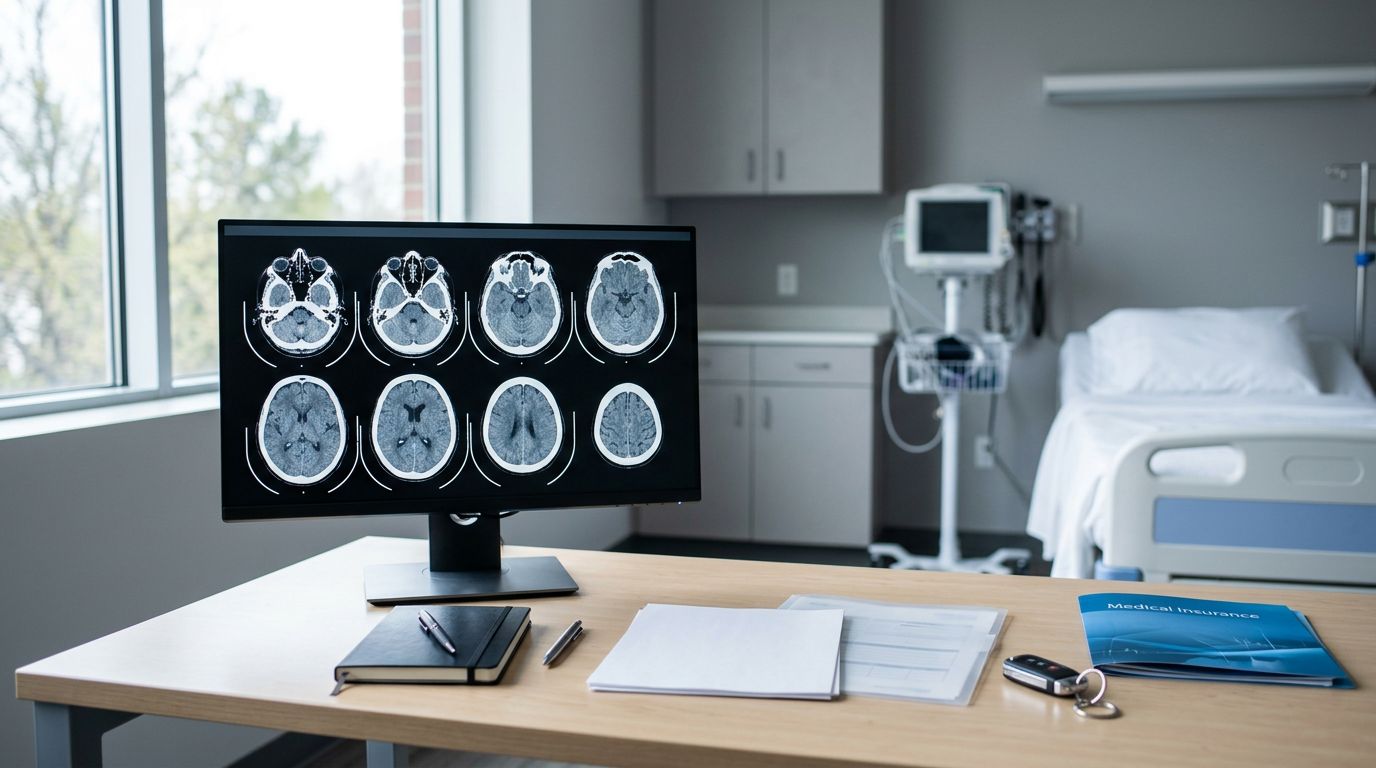
A normal CT scan can rule out some emergencies without ruling out a concussion. After a Florida crash, Florida concussion claims can still depend on symptoms, medical records, and how the injury affects daily life.
Many injured people worry that an insurer will treat a clean scan as proof that nothing is wrong. Florida law also includes early insurance deadlines and a serious-injury threshold that can affect compensation. The evidence must connect the collision to the symptoms and show the losses that followed.
What a Normal CT Scan Means After a Car Crash
A CT scan produces images of the brain and skull. Doctors may order one after a crash to look for bleeding, a skull fracture, swelling, or another serious structural injury. However, a concussion can occur without visible damage on a CT image.
The CDC guidance on mild TBI explains that a CT scan isn’t needed to identify every mild traumatic brain injury or concussion. Doctors usually evaluate symptoms, the patient’s history, and physical or cognitive findings along with any imaging.
A clean CT result describes what the scan found. It doesn’t prove that the crash caused no concussion.
Concussion symptoms can exist with normal imaging
Concussions may affect memory, concentration, balance, sleep, mood, and the ability to process information. Headaches, dizziness, nausea, sensitivity to light, fatigue, and slowed thinking can also occur.
Symptoms may appear immediately or become more noticeable after the crash. Pain, stress, adrenaline, and confusion at the scene can make it difficult to recognize a brain injury during the first few hours.
A normal CT may help doctors rule out certain emergencies, but it doesn’t answer every question about the injury. The medical record should explain the symptoms, when they began, and how they changed over time.
Follow-up care still matters
Seek emergency care for worsening headaches, repeated vomiting, increasing confusion, unusual difficulty staying awake, seizures, weakness, or other alarming changes. Even when emergency testing is normal, follow-up with a qualified medical provider can help evaluate continuing symptoms.
Patients should follow treatment instructions and report symptoms accurately. Avard Law’s guide on getting a concussion diagnosed after a crash also addresses the importance of timely medical care and symptom documentation.
How Florida concussion claims are evaluated after a normal CT
A Florida car accident injury claim usually involves two insurance paths. Personal Injury Protection, or PIP, may cover part of the injured person’s medical expenses and lost income. A claim against the at-fault driver may be available for damages beyond PIP, depending on fault, insurance coverage, and the severity of the injury.
The CT result is only one part of that analysis. Insurers and attorneys also review the crash evidence, medical history, provider opinions, work restrictions, treatment needs, and the effect of symptoms on ordinary activities.
PIP benefits come first in many cases
Florida’s current PIP statute generally requires initial medical services within 14 days after the motor vehicle accident. Missing that deadline can create a serious dispute over PIP medical benefits, even if concussion symptoms developed gradually.
PIP generally pays 80% of covered medical expenses and 60% of lost gross income, subject to statutory and policy limits. If a provider determines that the patient has an emergency medical condition, the available medical benefit may be up to $10,000. Without that determination, medical benefits may be limited to $2,500.
PIP doesn’t pay pain and suffering. For a closer look at wage-loss issues, see Avard Law’s explanation of Florida PIP wage loss benefits.
The serious-injury threshold affects pain and suffering
Florida law limits when an injured person can recover pain, suffering, mental anguish, and inconvenience from an at-fault driver. Under Florida’s serious injury statute, the injury generally must involve one of several conditions, including:
- A significant and permanent loss of an important bodily function.
- A permanent injury within a reasonable degree of medical probability.
- Significant and permanent scarring or disfigurement.
- Death.
A normal CT doesn’t determine whether a concussion is permanent or whether it meets this threshold. Those questions usually require medical evidence about lasting symptoms and functional limitations.
For example, persistent cognitive problems that prevent someone from performing essential job duties may carry more legal significance than a short-lived headache. The claim still needs reliable medical support connecting those limitations to the crash.
Evidence that can support a concussion claim
Strong Florida concussion claims usually tell a consistent story. The story begins with the collision, continues through the first symptoms and treatment, and shows how the condition affected work and daily activities.
A claim becomes harder to evaluate when medical care is delayed, symptoms aren’t reported, or records describe the injury differently at different visits. That doesn’t automatically defeat a claim, but it gives an insurer arguments to question causation and severity.
Medical records should connect symptoms to the collision
Tell each provider that the symptoms began after the crash. Describe what happened, including any impact to the head, rapid movement of the neck, loss of consciousness, confusion, memory gaps, or immediate changes in balance and vision.
Medical records may include:
- The date of the collision and the first treatment visit.
- Symptoms reported at the emergency room, urgent care, or physician’s office.
- Diagnoses, referrals, and prescribed treatment.
- Work, driving, school, or activity restrictions.
- Follow-up findings and changes in symptoms.
- Opinions about the expected recovery and future care.
A normal CT should remain part of the record. The legal question isn’t whether every test was abnormal. The question is whether the complete medical evidence supports a concussion caused by the crash.
Avard Law’s article on Florida concussion claims when imaging is normal discusses the same evidence problem in cases involving normal MRI results.
Daily limitations can show the injury’s real impact
Keep a dated record of headaches, dizziness, memory problems, sleep changes, missed work, and difficulty completing familiar tasks. Note the activity that triggered symptoms and whether you needed help from another person.
Work records can document missed shifts, reduced hours, job changes, or lost earning capacity. Family members and coworkers may also describe changes in concentration, patience, communication, or behavior, although their observations should support rather than replace medical evidence.
If you had prior headaches, anxiety, or neurological symptoms, don’t hide that history. A complete comparison between your condition before and after the crash can help doctors and attorneys assess whether the collision caused a new injury or made an existing condition worse.
Fault, coverage, and settlement issues
Florida’s no-fault system doesn’t eliminate the importance of fault. A bodily injury claim against the driver who caused the crash may provide compensation beyond PIP, but the available recovery depends on the evidence and the driver’s insurance.
Crash reports, photographs, vehicle damage, witness statements, traffic-camera footage, and cellphone or event-data evidence may help establish what happened. Avoid guessing about speed, timing, or responsibility when speaking with an insurer. An inaccurate statement can complicate the claim later.
Comparative fault can reduce recovery
Florida’s comparative fault statute assigns responsibility by percentage. A person’s damages may be reduced by that person’s share of fault. Under the current modified comparative fault rule, a person found more than 50% responsible generally can’t recover damages in a negligence action.
An insurer may argue that the injured driver followed too closely, changed lanes unsafely, or failed to wear a seat belt. The response should come from evidence, not assumptions. A concussion claim still requires proof that the other driver’s conduct caused the collision and the resulting injury.
Review all possible insurance sources
Check the at-fault driver’s bodily injury coverage and your own policy for uninsured or underinsured motorist coverage. A driver may have insurance that is too limited to cover future treatment, lost income, and non-economic damages.
Avard Law’s overview of Florida underinsured motorist claims explains why a driver’s policy limits may not reflect the full value of a serious injury claim.
Don’t accept a settlement or sign a release before you understand the likely recovery, future treatment, and coverage available. Concussion symptoms can improve, persist, or change over time, so an early settlement may not account for later losses.
Deadlines and steps after a normal CT scan
The PIP medical-care deadline and the lawsuit deadline are separate. One concerns access to no-fault benefits. The other concerns filing a negligence lawsuit against another party.
Track the two-year negligence deadline
Florida’s negligence limitations statute generally provides a two-year period for filing a negligence action involving personal injury. Exceptions may apply, and the date can depend on the facts of the claim.
Don’t assume that sending bills to an insurer, opening a claim, or continuing medical treatment preserves the lawsuit deadline. Those steps are different from filing a court action.
Protect the record early
After a crash, take these steps:
- Obtain medical care promptly and follow the provider’s instructions.
- Tell providers about all symptoms, even if they seem minor or unrelated.
- Keep medical records, bills, prescriptions, work documentation, and a symptom diary.
- Save insurance letters, claim numbers, recorded statements, and settlement offers.
- Speak with a Florida personal injury attorney before giving a detailed statement or accepting payment for a concussion claim.
An attorney can review the CT result alongside the rest of the evidence, investigate liability, identify available coverage, and assess whether the injury may meet Florida’s serious-injury threshold.
Conclusion
A normal CT scan doesn’t automatically end Florida concussion claims. The stronger case is built through prompt medical care, consistent symptom reporting, evidence of daily limitations, and a clear connection between the crash and the injury.
PIP deadlines, fault rules, insurance limits, and the statute of limitations can affect the result as much as the imaging report. If symptoms continue after a crash, treat the normal CT as one medical finding, not the final word on your health or your legal rights.