
Ceiling Fan Injury Claims in Florida Hotels and Rentals
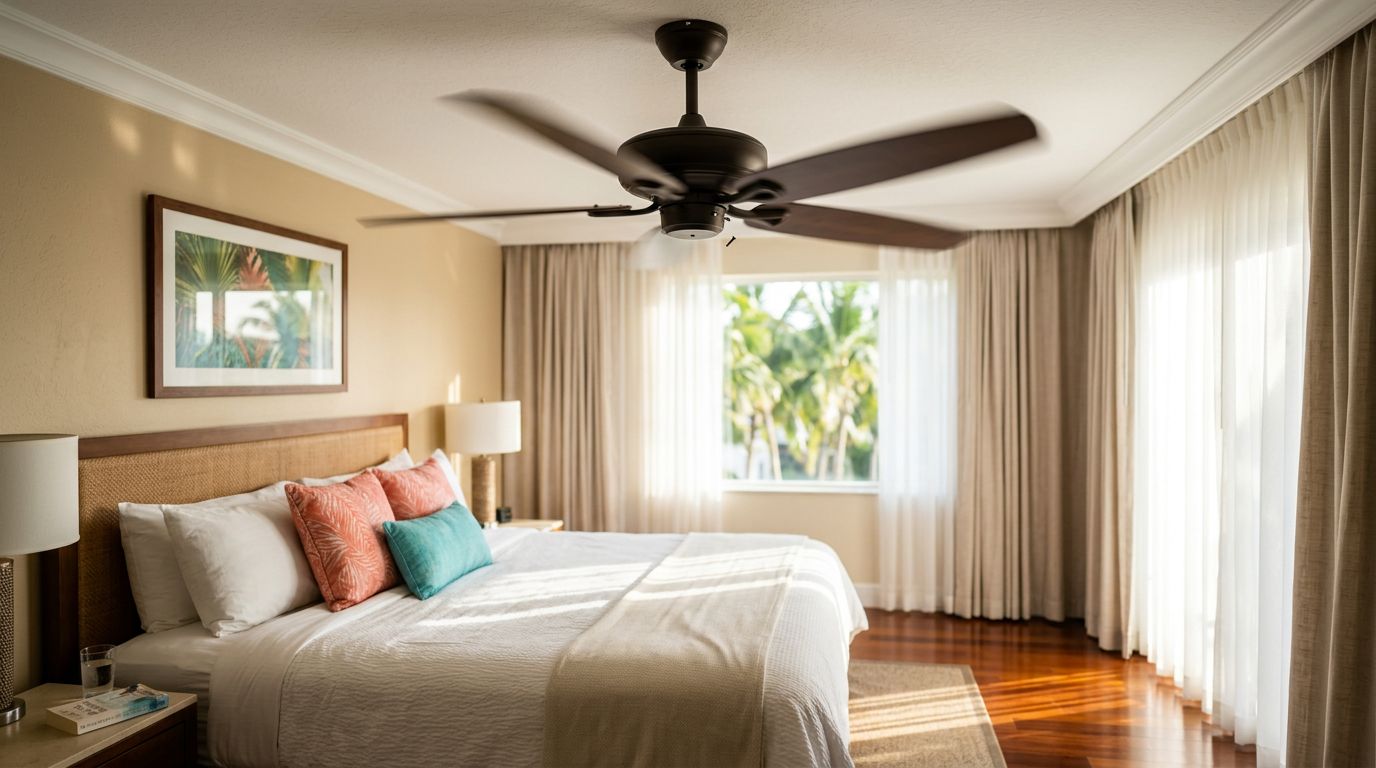
A ceiling fan should cool a room, not send you to the emergency room. When one falls, sparks, or tears loose from the ceiling, the injury can be sudden and serious, with cuts, broken bones, head trauma, or electrical shock.
In Florida, these cases often turn on control, maintenance, and notice. That is why ceiling fan injury claims need more than a complaint, they need proof.
If the injury happened in a hotel, condo, or rental home, the next steps matter fast. The facts can disappear, but the paper trail can still tell the story.
How ceiling fan injuries happen in Florida hotels and rentals
A ceiling fan fails for simple reasons. Loose mounting screws, worn blades, bad wiring, and poor repairs can all turn a fixture into a hazard. In hotels and rentals, the risk grows when someone ignores a wobble, a buzzing sound, or repeated complaints.
A fan does not have to fall to cause harm. A spinning blade can cut skin, strike someone standing on a chair, or hit a child on a bed. If the motor overheats, the room can fill with smoke or start a fire.
Falling fans and blade injuries
A fan that is not anchored to the right ceiling box can pull free. The victim may be on a bed, in a bathroom doorway, or reaching for a light switch. The force can cause concussions, neck injuries, broken fingers, and deep cuts.
Children, older adults, and anyone in a narrow room face extra risk. So do guests who assume a fixture is safe because it looks normal from below.
Electrical faults and unsafe repairs
Buzzing, sparks, and a warm switch are warning signs. So are fan parts that were installed without the right tools or permission. In a rental, a tenant should report the problem. In a hotel, staff should take the room out of service until the fixture is safe.
Florida heat and humidity can wear on fixtures too, but the legal question is still the same. Did the property inspect the fan and fix it before someone got hurt?
Who may be responsible under Florida law
Responsibility depends on who controlled the fixture and who knew about the danger. The owner, hotel operator, property manager, maintenance company, installer, or tenant may share fault. If a tenant installed the fan without permission and caused the problem, the tenant may also face liability.
Control and notice matter most. If the property knew the fan was unsafe and did nothing, that fact can carry real weight.
Florida landlords must keep rental property safe, in good repair, and fit to live in. Hotel operators also owe guests a duty to maintain rooms in a safe condition. That duty can include routine inspections, timely repairs, and taking unsafe rooms out of service.
| Setting | Who usually owes the duty | Evidence that matters | Common dispute |
|---|---|---|---|
| Hotel room | Hotel owner, operator, or maintenance team | Inspection logs, work orders, incident reports | Did staff know about the hazard? |
| Rental home or apartment | Landlord or property manager | Repair requests, lease terms, photos, electrician notes | Did the tenant cause the damage? |
| Vacation rental | Owner, host, or local manager | Messages, cleanup logs, maintenance history | Who controlled the fixture? |
A fan in a hotel room leaves a different paper trail than a fan in a house or apartment. Still, the core questions stay the same, who knew, who had the power to fix it, and who failed to act.
If a tenant changed a fixture without written permission, that can create lease, insurance, and safety problems. If an outside contractor did careless work, that company may also belong in the claim.
Evidence that can make or break the claim
The first photos often matter most. If you can do it safely, take pictures of the fan, the ceiling mount, the room, and any broken parts. Capture the date, room number, and anything that shows the problem, such as wobbling blades, burn marks, or a loose fixture.
Then gather the records that tell the story behind the injury.
- Photos and video of the fan, the ceiling, and the damage
- Medical records, discharge papers, and follow-up instructions
- Written complaints before or after the incident
- Incident reports from the hotel, landlord, or property manager
- Witness names and contact details
- Repair records, lease terms, or messages about prior complaints
- Damaged personal items, if the fan struck your belongings too
Report the injury in writing as soon as you can. Ask for a copy of the incident report. If the property replaces the fan quickly, that repair record may help show the danger existed before the injury.
Do not throw away the broken parts if you can avoid it. A loose bracket, damaged blade, or burned switch can help an expert explain what went wrong.
What compensation may be available after a fan injury
A valid claim can cover more than the ER visit. Medical bills, imaging, surgery, follow-up care, medication, lost wages, and future treatment may all belong in the case. Pain and suffering can also matter when the injury leaves lasting limits or scarring.
For a closer look at the losses that can be part of a premises case, see Florida slip and fall damages.
The value of the claim depends on injury severity, fault, and the proof behind it. A small cut with quick healing will not value like a concussion, shoulder tear, or burn injury. Still, a short stay in the hospital can create a strong claim if the property ignored earlier warnings.
Missed work, therapy bills, and out-of-pocket costs matter too. Save every receipt and medical note, because those records help show the full loss.
How a Florida lawyer builds these claims
A lawyer starts by locking down the evidence. That can include maintenance logs, lease terms, room records, cleaning schedules, witness statements, surveillance footage, and vendor invoices. If the fan failed because of a bad mount or wiring problem, an electrician or engineer may help explain why.
The timeline matters as well. In many Florida negligence claims, the deadline to file is two years from the injury date. Waiting can make records harder to find and witnesses harder to reach. That is one reason people contact counsel soon after a hotel or rental injury.
A Florida firm with experienced slip and fall accident attorneys can help sort out liability, insurance, and the next step before deadlines close in.
That kind of help matters when the property owner blames the guest, the tenant blames the landlord, and the insurer asks for more proof than you can gather alone.
What matters after a ceiling fan injury
A ceiling fan injury can start with one loose screw and end with months of pain. The strongest claims focus on control, notice, and evidence, not guesses.
If the injury happened at a hotel or rental, document the scene, report the hazard, and keep every record. The room may get cleaned up fast, but the paper trail is what keeps the claim alive.
When a fixture in your room causes harm, the key question is simple, who knew it was unsafe, and what did they do next? That answer often decides the claim.