
Florida Failure to Diagnose Meningitis in the ER
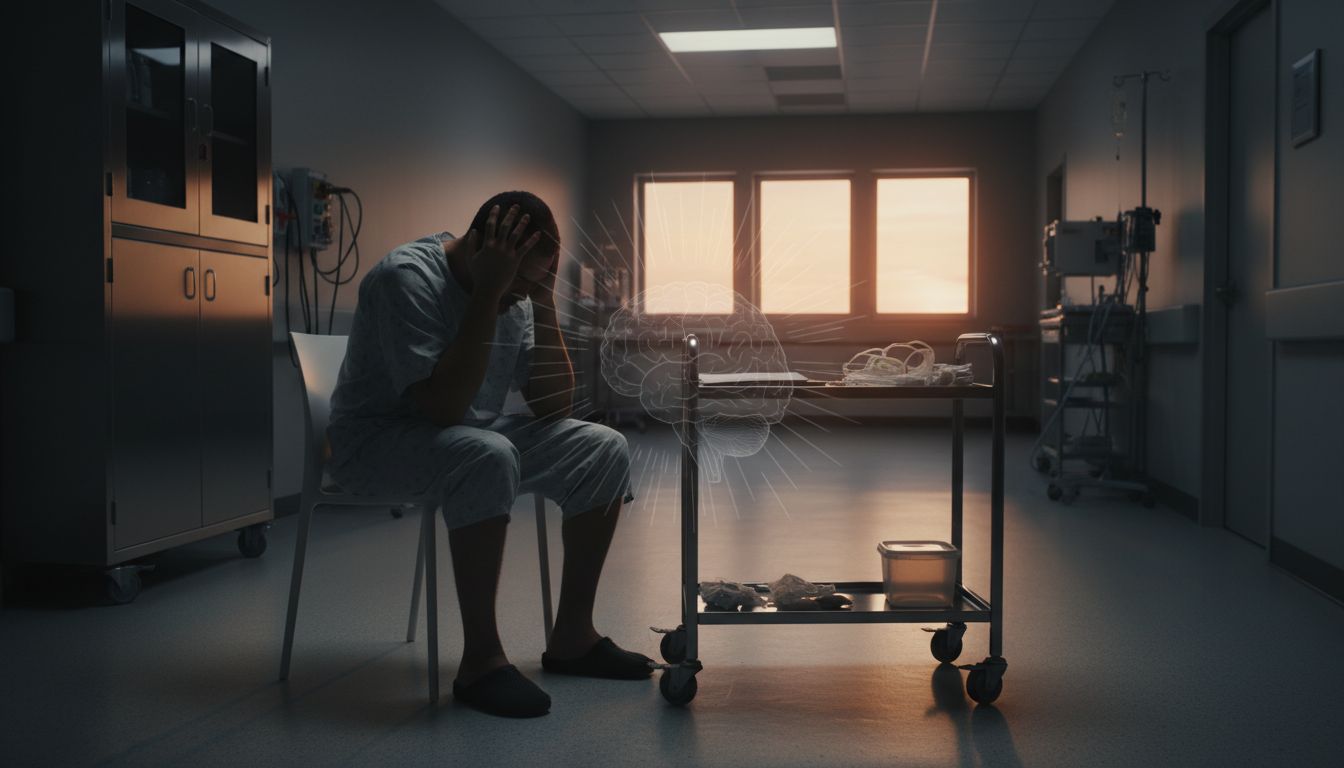
A missed meningitis diagnosis can change a life in a matter of hours. What starts as a fever and headache can turn into brain injury, hearing loss, sepsis, or death before a family even knows the danger.
In Florida, that risk is not theoretical. Public reporting in March 2026 described at least 26 meningococcal cases and 7 deaths in an ongoing outbreak. When an ER overlooks warning signs or sends a patient home too soon, a failure to diagnose meningitis may become a medical malpractice case.
That starts with one hard truth, meningitis often hides behind ordinary symptoms.
Why meningitis gets missed when every hour counts
Meningitis is inflammation around the brain and spinal cord. As the Florida Department of Health’s meningitis overview explains, it can come from bacterial or viral infection, among other causes. The bacterial form is often the most dangerous because it can worsen fast.
The problem is that early meningitis does not always look dramatic. It can look like the flu, a migraine, dehydration, a stomach bug, or a routine viral illness. That is why ER mistakes happen. The disease wears a mask.
Common warning signs can include:
- fever with a severe headache
- stiff neck or pain with movement
- vomiting, confusion, or light sensitivity
- rash, seizure, or sudden mental decline
- in babies, poor feeding, unusual sleepiness, or a weak cry
Still, not every patient walks in with the textbook picture. Some never show a stiff neck. Others mainly seem tired, confused, or agitated. In older adults, children, and patients with weak immune systems, the signs may be harder to read.
ERs also work under pressure. Nurses must triage quickly. Doctors must sort harmless symptoms from dangerous ones. That pressure helps explain mistakes, but it does not excuse them. A time-sensitive infection still requires timely care.
The federal AHRQ review of emergency department diagnostic errors shows that missed diagnoses remain a serious patient safety problem in emergency medicine. When a patient with fever, headache, confusion, or abnormal vital signs sits too long in a waiting room, triage becomes part of the story. If that fits your situation, this guide on when ER triage delays support malpractice claims may help explain how those delays are judged in Florida.
In suspected bacterial meningitis, a few lost hours can mean permanent harm.
When a Florida ER mistake may become malpractice
Not every bad outcome is malpractice. Doctors are not required to be perfect. They are required to meet the standard of care, which means acting as a reasonably careful provider would act under similar facts.
In a meningitis case, that question is usually direct. Did the ER team recognize the red flags and move fast enough?
A malpractice claim may arise when staff dismiss clear symptoms as a simple virus, fail to reassess a patient who is getting worse, skip needed testing, ignore abnormal labs, or delay antibiotics after meningitis should have been on the list of likely causes. Sometimes the problem is a rushed discharge. Sometimes it is a failure to admit or observe. In other cases, the chart shows concern, but treatment still lagged.
The issue is not whether every patient needed every test right away. A spinal tap, blood cultures, imaging, and antibiotics depend on the facts. The legal question is whether the team acted reasonably with the facts they had. If warning signs pointed toward meningitis and the response was slow or careless, that may support a claim.
These cases often fall into one of three patterns, misdiagnosis, delayed diagnosis, or no diagnosis at all. Each one can cause harm in a different way. A patient may receive treatment for the flu while the infection spreads. Another may sit for hours before the right workup starts. A third may get discharged, then return in collapse. This breakdown of Florida misdiagnosis vs delayed diagnosis in malpractice claims explains why that difference matters.
Causation is often the hardest part. In plain terms, would earlier diagnosis and treatment likely have changed the outcome? With meningitis, the answer is often tied to timing. Earlier antibiotics, closer monitoring, or hospital admission may reduce the risk of brain damage, hearing loss, stroke-like injury, amputation from overwhelming infection, or death.
What evidence matters after a failure to diagnose meningitis
A strong case is built on records, not guesses. The medical chart often tells the real story, especially when memories clash later.
Start with the timeline. When did symptoms begin? What did the patient report at triage? How long did it take to see a provider? Were vital signs abnormal? Did the patient become more confused, develop a rash, or worsen while waiting? A calm discharge summary can hide a chaotic visit. Meanwhile, the nurse notes and vital sign flowsheet may tell a very different story.
Good evidence often includes ambulance records, triage notes, physician notes, lab results, medication times, discharge papers, and any return visit records. If a patient was sent home and came back much worse, that pattern matters. Family observations matter too. A spouse or parent may remember repeated vomiting, confusion, complaints of neck pain, or staff being told that the patient was not acting normal.
Follow-up failures can matter as well. If blood work came back abnormal after discharge and nobody acted, that can strengthen the claim. This resource on proof for lab result follow-up failures in Florida shows how timing gaps in test review can support a malpractice case.
Acting early also matters because Florida malpractice claims have strict pre-suit rules and deadlines. The longer a family waits, the harder it can be to gather records, preserve portal messages, and pin down who knew what, and when. In a death case, an autopsy report and death records may also become important pieces of proof.
A meningitis miss is not a minor charting issue. It is a race lost against a fast infection.
When the record shows red flags, delay, and avoidable harm, failure to diagnose meningitis may support a Florida malpractice claim. The sooner the case is reviewed, the easier it is to protect the facts before they fade.