
Florida Carbon Monoxide Poisoning Claims at Hotels and Rentals
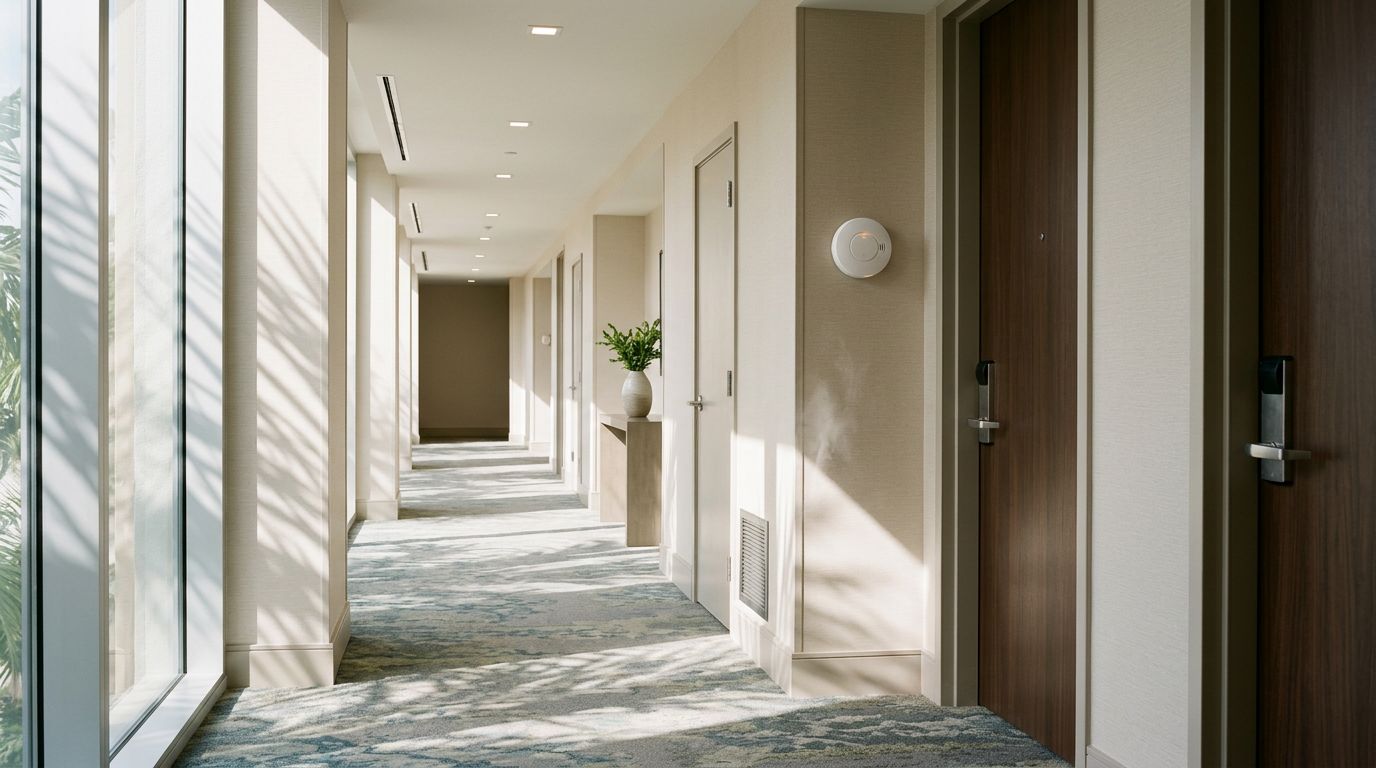
Carbon monoxide can turn a weekend stay into a trip to the ER. You can’t see it or smell it, and guests often mistake the symptoms for exhaustion or the flu.
When exposure happens in a hotel or vacation rental, the problem often traces back to missed alarms or poor maintenance. Florida carbon monoxide poisoning claims often rise or fall on how quickly that proof is preserved.
Why hotel and rental carbon monoxide cases happen
Carbon monoxide is a hidden hazard. Guests may wake with headache, nausea, dizziness, or crushing fatigue and assume they need sleep.
In hotels and rentals, the gas often comes from boilers, pool heaters, water heaters, fireplaces, generators, or exhaust from an attached garage. Faulty venting and poor maintenance are common links. Florida has long required carbon monoxide protection in many public lodging settings tied to combustion risks, and Florida’s carbon monoxide detector law is still the starting point.
As of April 2026, public reporting shows no new statewide change aimed at hotel or short-term rental detector duties, and official recent incident statistics remain limited. The core legal question is simpler: who controlled the room, the equipment, or the safety warning? In Florida, paying guests are usually invitees, so the operator owes a strong duty of reasonable care under Florida premises liability duty of care.
This quick chart shows where these claims often begin:
| Setting | Common source | Who may be responsible |
|---|---|---|
| Hotel | Boiler, pool heater, garage exhaust | Owner, operator, management company, maintenance vendor |
| Vacation rental | Gas water heater, fireplace, generator | Owner, host, property manager, repair company |
| Condo resort | Shared mechanical room or parking area | Association, resort operator, service contractor |
Control often matters more than title. If the exposure happened in a rented condo or house booked online, Avard Law’s Florida Airbnb injury claims guide explains how control and notice can overlap in short-term rental cases.
What must be proven in Florida carbon monoxide poisoning claims
A strong claim still follows the same path as other negligence cases: duty, breach, causation, and damages. The property had to use reasonable care. It failed. That failure caused exposure, and the exposure caused real harm.
The hard fight is usually breach and notice. Was there a detector, did it work, and did staff know a boiler, heater, or exhaust system had problems? Prior complaints, service tickets, code issues, or similar sickness reports in the same room can all matter. A property can’t ignore messages that an alarm was missing, chirping, or disconnected.
A dead detector may point to one party, while a failed exhaust repair points to another. Owners, operators, managers, and vendors often try to shift blame.
Records matter more than memory in a carbon monoxide case.
Medical proof matters because CO symptoms mimic other illnesses. The CDC lists headache, dizziness, weakness, nausea, chest pain, confusion, and unusual sleepiness as common signs. The pattern often looks like flu, except there is no fever. EMS notes, hospital records, oxygen treatment, and carboxyhemoglobin testing can help tie the medical event to the room.
Try to preserve evidence before the property resets the scene. Useful proof often includes:
- the room number, address, and time symptoms began
- photos of detectors, appliances, vents, garages, or warning labels
- the incident report and all messages with staff or the host
- witness names, including other guests who felt sick
- discharge papers, follow-up care, and lost work records
Florida carbon monoxide poisoning claims often turn on timing. If several people improved after leaving the room, that helps. If a detector was missing, unplugged, expired, or silent, that can become the center of the case.
Steps that protect a hotel or vacation rental claim
First, get outside and call 911. Then get checked even if you feel better. Carbon monoxide can hit like a fog that lifts in fresh air, but the injury may still need treatment. Quick care also protects the claim because delayed treatment gives insurers room to argue.
Next, report the event in writing. Ask the hotel manager or rental contact for a copy. Save booking records, receipts, text messages, photos, and door logs if available. If you can, send a written request that the property preserve surveillance video, maintenance files, detector records, and any equipment removed from service. Once a heater gets replaced or a room gets aired out, the best proof can disappear.
Be careful with quick explanations from staff or insurers. Write down what you hear, but don’t adopt guesses as fact. If the property later claims its setup met state rules, the Florida Building Commission materials on carbon monoxide detectors show the framework those arguments usually rely on.
Compensation may include medical bills, future care, lost wages, pain, and other losses. Avard Law’s page on what compensation may include after a premises injury gives a practical overview of those damage categories. Also keep the clock in mind. Many Florida negligence cases now face a two-year filing deadline, and some evidence disappears in days, not years.
If you carried a portable travel detector, keep it and photograph any reading. If you didn’t, that does not excuse the property. Guests pay for a safe room. They don’t take on the owner’s duty to inspect fuel-burning equipment or install required alarms.
A hotel room or vacation rental should not work like a sealed trap. When carbon monoxide exposure happens, evidence decides whether the claim can be proved, from detector records to medical testing to prior complaints.
The sooner those records are secured, the harder it is for the property to blame bad luck. In Florida carbon monoxide poisoning claims, the case usually turns on a simple point: this danger was preventable.