
Florida Dog Bite Claims After a Broken Fence Escape
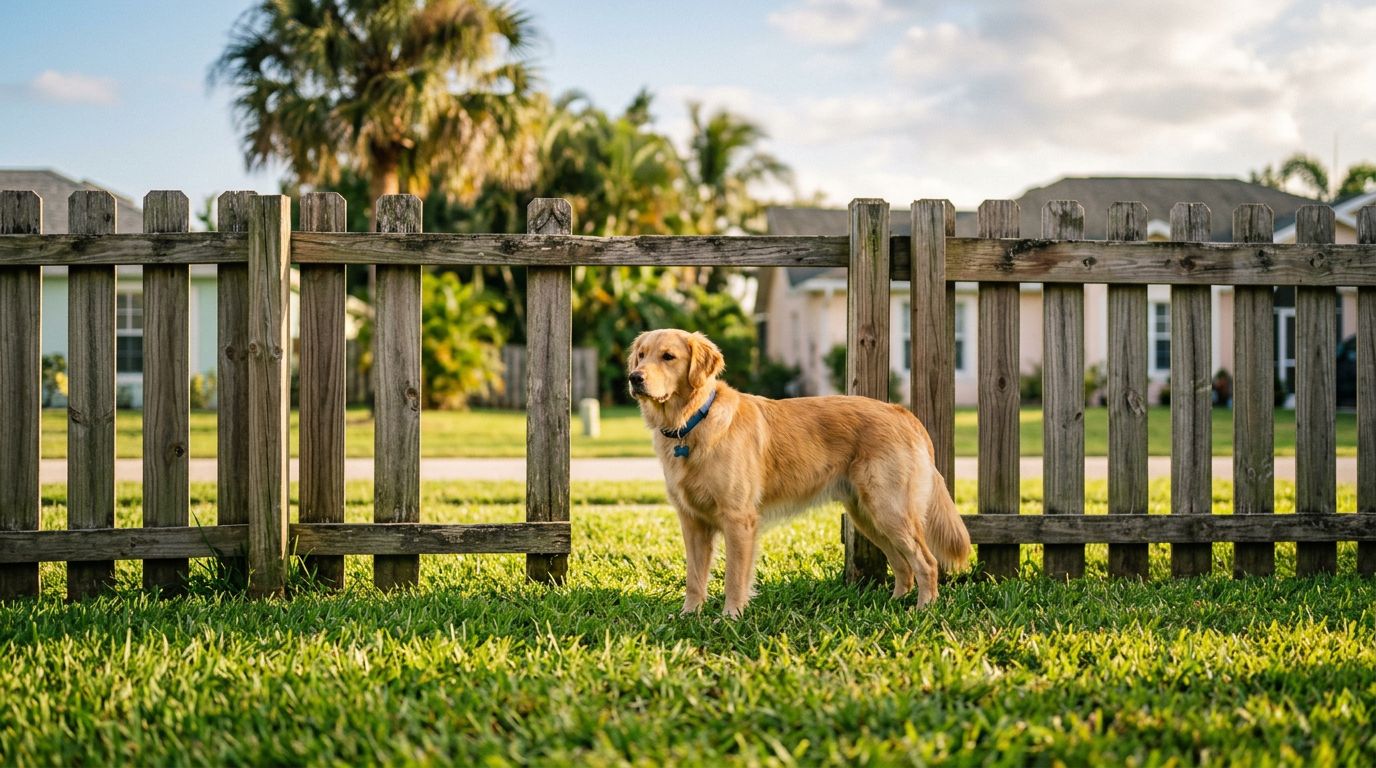
A dog that gets loose through a broken fence can turn a normal afternoon into an emergency. In Florida, that fence failure is often a key part of the legal case, because it helps show how the dog got out and who failed to stop it.
That detail matters in Florida dog bite claims. A snapped board, loose latch, or gaping hole can point to poor maintenance, lack of control, or ignored warning signs. The sooner you act, the easier it is to protect both your health and your claim.
Why a broken fence matters under Florida law
Florida law often holds a dog owner responsible when a bite happens, even if the dog had no known history of aggression. The fence escape can strengthen that claim because it shows the dog was not properly restrained.
A damaged fence may also help answer a basic question, who had the duty to keep the dog contained? If the owner knew the fence was weak, ignored repair needs, or let the dog roam anyway, that fact can matter a great deal.
The fence issue becomes even more important when the bite happens near the edge of the property. A child walking by, a neighbor in the yard, or a guest on the walkway may all have lawful reasons to be there. That makes the owner’s control of the animal central to the case.
If you need help after a serious attack, Florida dog bite attorneys can look at the escape route, the injury pattern, and the proof that ties the dog to the owner.
A broken fence does not prove liability by itself. It does, however, point investigators toward control, notice, and maintenance.
What to do right after the attack
The first hours after a dog bite matter. Pain and shock can hide the full extent of the injury, and evidence can disappear quickly.
Start with medical care. Even a small puncture can become infected, and deep bites may need stitches, imaging, or a tetanus shot. If the wound is severe, call 911. If it is not an emergency, go to urgent care or the ER the same day.
Then report the bite to animal control or local law enforcement. That report creates a record of the attack and may identify the dog, the owner, and the location of the fence failure.
After that, gather what you can without risking your safety.
- Take photos of the bite, torn clothing, blood, and bruising.
- Photograph the fence from several angles, including the broken section.
- Write down the date, time, and exact location.
- Get names and phone numbers for witnesses.
- Keep the dog owner’s contact information and insurance details, if available.
- Save medical bills, discharge papers, and any follow-up instructions.
If the attack happened at a rental house, ask whether the owner, tenant, or property manager handled fence repairs. Repair requests, texts, and work orders can become important later.
Evidence that strengthens a Florida dog bite claim
A fence escape claim rises or falls on proof. The more you can show, the harder it becomes for an insurer to downplay the attack.
Medical records are the backbone of the case. They connect the bite to the treatment, show the timing, and document scarring, infection, or nerve damage. Photos help too, especially when they show how the wound changed over time.
The fence itself can tell a story. Was a board rotted? Was a latch broken? Was a hole large enough for a dog to push through? A clear photo of the damage can answer those questions before repairs erase the scene.
Other helpful records often include:
- Animal control reports
- Vet records, if the dog was treated after the event
- Neighbors’ statements about prior escapes or barking
- Repair records for the fence
- Security video or doorbell footage
- Work orders or lease notices showing the problem was reported
Evidence of earlier complaints matters. If someone had already warned the owner that the fence was unsafe, that can show notice. Notice is a strong word in these cases because it means the owner had a chance to fix the problem and did not.
Claims also benefit from a simple injury journal. Note pain levels, missed work, sleep trouble, and follow-up visits. These details help show how the bite changed your daily life.
Who may be responsible, and what compensation may cover
The dog owner is often the main defendant in these cases. However, the person in control of the property may also matter if the fence repair fell on someone else.
That can happen in a rental home, a duplex, or a shared property. A landlord or property manager may share responsibility if they knew about a dangerous fence and had a duty to fix it. The facts control that issue, so the lease, maintenance requests, and repair history matter.
In some cases, another person may have been caring for the dog. A pet sitter, family member, or temporary caretaker can create another layer of responsibility if they let the animal out or ignored the broken fence.
A serious bite can support several types of damages. Medical bills are the first, but they are not the only ones. A claim may also include lost wages, future treatment, scar care, pain, emotional distress, and any long-term loss of function.
Children often face the hardest impact. A facial scar, fear of dogs, or need for reconstructive care can affect school, sleep, and confidence. Adults may face their own lasting problems, especially when the bite affects the hands, face, or legs.
If the injuries are part of a broader accident claim, Florida personal injury attorneys can help sort out the medical records, insurance issues, and damage claims tied to the escape.
Defenses insurers raise after a dog gets loose
Insurance companies rarely accept a dog bite claim without a fight. They often look for a reason to shift blame or reduce the payout.
One common defense is trespass. The insurer may argue that the injured person had no right to be there. That defense can fail if the person was lawfully on the property, such as a guest, worker, or delivery driver.
Another defense is provocation. The owner may claim the victim teased, hit, or startled the dog. Witness statements and early reports matter here, because they can show what really happened in the moments before the bite.
Comparative fault can also come up. In plain terms, the insurer may say the victim acted carelessly. Maybe a person reached through the fence, ignored warnings, or entered a yard without permission. That does not always end the case, but it can affect value.
Finally, the owner may say the fence failed without warning. That argument may sound simple, yet it loses force when the evidence shows rotten wood, broken gates, prior complaints, or old repair requests.
A strong file answers those defenses before they grow.
Conclusion
A broken fence is more than a property problem after a dog attack. It can be the detail that shows how the dog got loose, who had control, and whether the danger was ignored.
If you are dealing with injuries, photos, medical care, and insurance calls all at once, keep the focus on proof. Record the scene, save every document, and pay attention to any sign that the fence problem was known before the bite. Those facts often shape the outcome of Florida dog bite claims more than anything else.