
Florida DUI Crash Claims and the Evidence That Proves Them
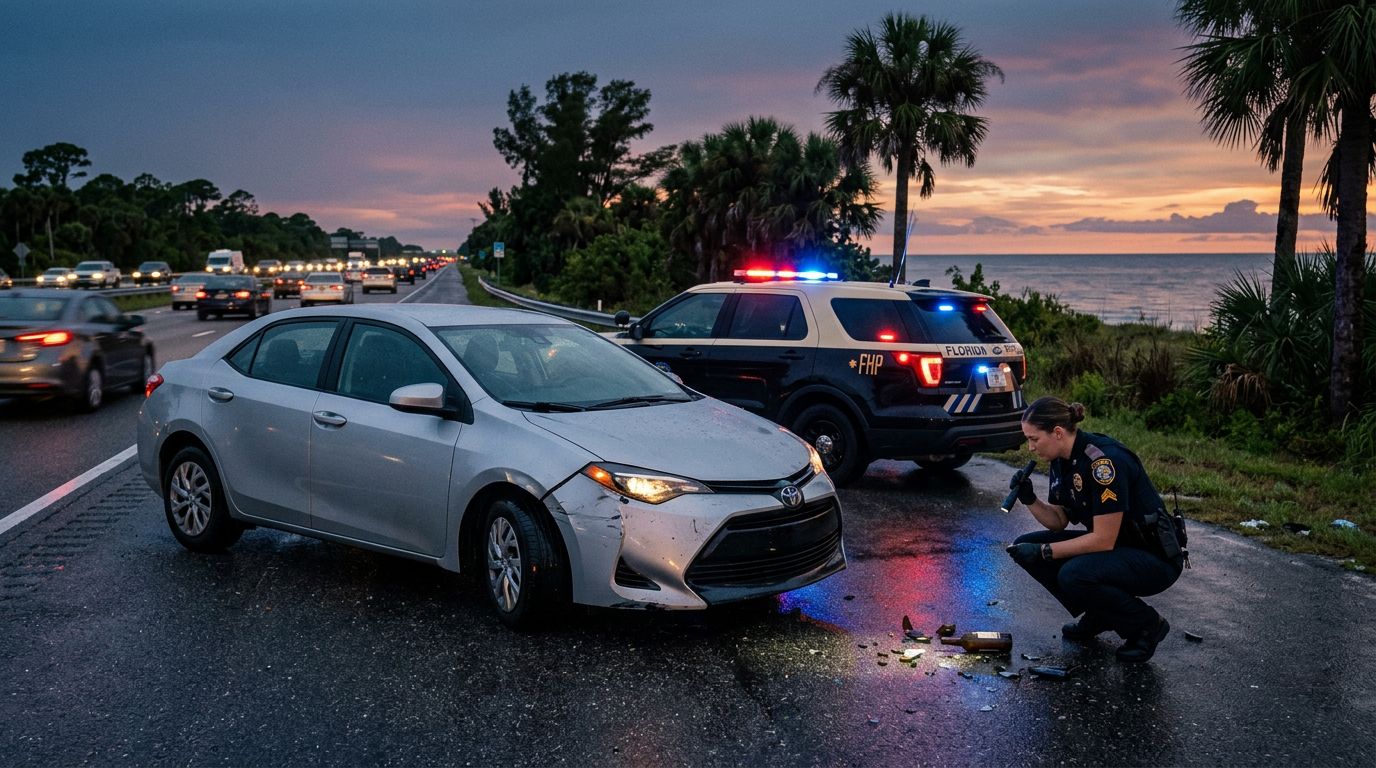
Florida DUI crash claims often turn on what gets saved in the first hours after impact. A drunk driving case may look obvious at the scene, but proof can disappear fast.
That is why evidence matters so much. It can show impairment, fault, and the full cost of your injuries, and it can also keep an insurer from shrinking a valid claim. If you were hurt in a crash with an impaired driver, the way the record is built can shape the result.
What makes a DUI crash claim different in Florida
A drunk driving crash case is not just another car accident claim. The civil claim and the criminal case move on separate tracks, so an arrest alone does not pay your bills.
Florida’s no-fault system may cover some early medical care through PIP, but that coverage has limits. When the crash causes a serious injury, the claim can move beyond basic benefits and reach damages for pain and suffering. If you want a deeper look at that line, Florida serious injury threshold explained breaks down when a case can step outside PIP.
The hard part is that the other driver’s intoxication does not prove your losses by itself. You still need a clean chain that connects the drunk driving, the crash, and your injuries. That is where careful documentation comes in.
The DUI evidence that carries the most weight
Some proof matters more than other proof. The strongest files usually combine police records, testing, witness accounts, and medical proof.
| Evidence | What it can show |
|---|---|
| Police crash report | Officer observations, citations, and signs of impairment |
| Breath or blood test results | Alcohol level, arrest basis, and timing of impairment |
| Witness statements | Erratic driving, slurred speech, stumbling, or admissions |
| Photos, dashcam, and surveillance video | Scene conditions, vehicle positions, and driver behavior |
| Medical records and bills | The injury trail, treatment dates, and cost of care |
| Vehicle data and crash reconstruction | Speed, impact force, and how the wreck happened |
When these records line up, the claim gets stronger. A blood test may show intoxication, but a crash report and witness statement help show how that intoxication played out on the road. Medical records then tie the event to your injuries.
That mix matters because insurers look for gaps. If one part of the story is missing, they may try to use that opening to lower the claim.
Why timing matters after the crash
DUI proof has a short shelf life. Surveillance footage gets overwritten, vehicles are repaired, and witnesses forget details. Even skid marks and debris can disappear in a day.
The first moves after a collision can shape the claim, and the steps to take for Florida car accident compensation can help protect the record before it fades. Call 911, get medical help, and take photos or video if it is safe to do so.
That early record does more than document the scene. It also helps show that your symptoms started with the crash, not weeks later. When treatment begins quickly, the injury story is easier to follow and harder to question.
A lawyer can also send preservation letters before records vanish. That may matter for nearby business cameras, dashcam footage, tow yard records, or hotel security video. In a DUI case, those details can be the difference between a strong claim and a shaky one.
How insurance companies read the file
Insurance companies do not look at a DUI claim and write a check because the other driver was arrested. They look for proof that is organized, consistent, and easy to follow.
That means they study more than the crash report. They check whether your treatment started right away, whether the pain complaint stayed the same, and whether the medical records support the bills. They also look at prior injuries, gaps in treatment, and any statement that sounds different from the paperwork.
That is why attorneys often assemble a car crash demand package before settlement talks begin. A good package puts the fault evidence, medical proof, wage loss, and damage records in one file. It gives the insurer a clear path through the claim instead of a pile of loose pages.
A DUI case is still a damages case. The other driver’s bad conduct matters, but your records still need to show what the crash cost you. If the claim is built well, the insurer has less room to argue.
How a Florida attorney builds a stronger claim
A Florida lawyer can move faster on evidence than most injured people can on their own. That speed matters, because some records need to be requested before they disappear or get boxed up in another file.
In a serious DUI crash claim, the work often starts with the police file. Then the attorney may request body cam footage, 911 audio, breath or blood test records, and witness contact information. If the crash details are disputed, reconstruction experts can help explain speed, impact, and fault.
The lawyer may also dig for records that are easy to miss. Cell phone data can help show distraction. Bar receipts or restaurant records may help with timing. In some cases, a witness from a business or a rideshare driver nearby can fill a gap in the story.
Just as important, a good claim file does not overstate the injury. It ties the crash to the medical course, the missed work, and the lasting limits in plain language. That kind of file is easier to defend and harder to dismiss.
If you were hurt badly enough to miss work, need surgery, or face long-term pain, the value of the claim may go far beyond the first bills. Florida law can allow recovery for more than immediate medical care when the injury meets the legal threshold.
The proof that changes a DUI claim
Strong Florida DUI crash claims are built on more than anger at the drunk driver. They are built on evidence that survives scrutiny.
The most useful record usually includes a police report, test results, witness accounts, photos or video, and medical documentation. When those pieces fit together, they create a clear picture of what happened and what it cost you. That is the kind of file that carries weight with insurers and in court.
Conclusion
A drunk driving crash can leave you with pain, bills, and a claim that depends on fast action. The key is to preserve the evidence before it fades, then connect that proof to your injuries and losses.
For Florida DUI crash claims, the details matter. A clean record can show impairment, fault, and the full extent of harm, while missing records can slow everything down. The sooner the evidence is locked in, the stronger the claim will be.