
Florida Escalator Injury Claims and Maintenance Logs
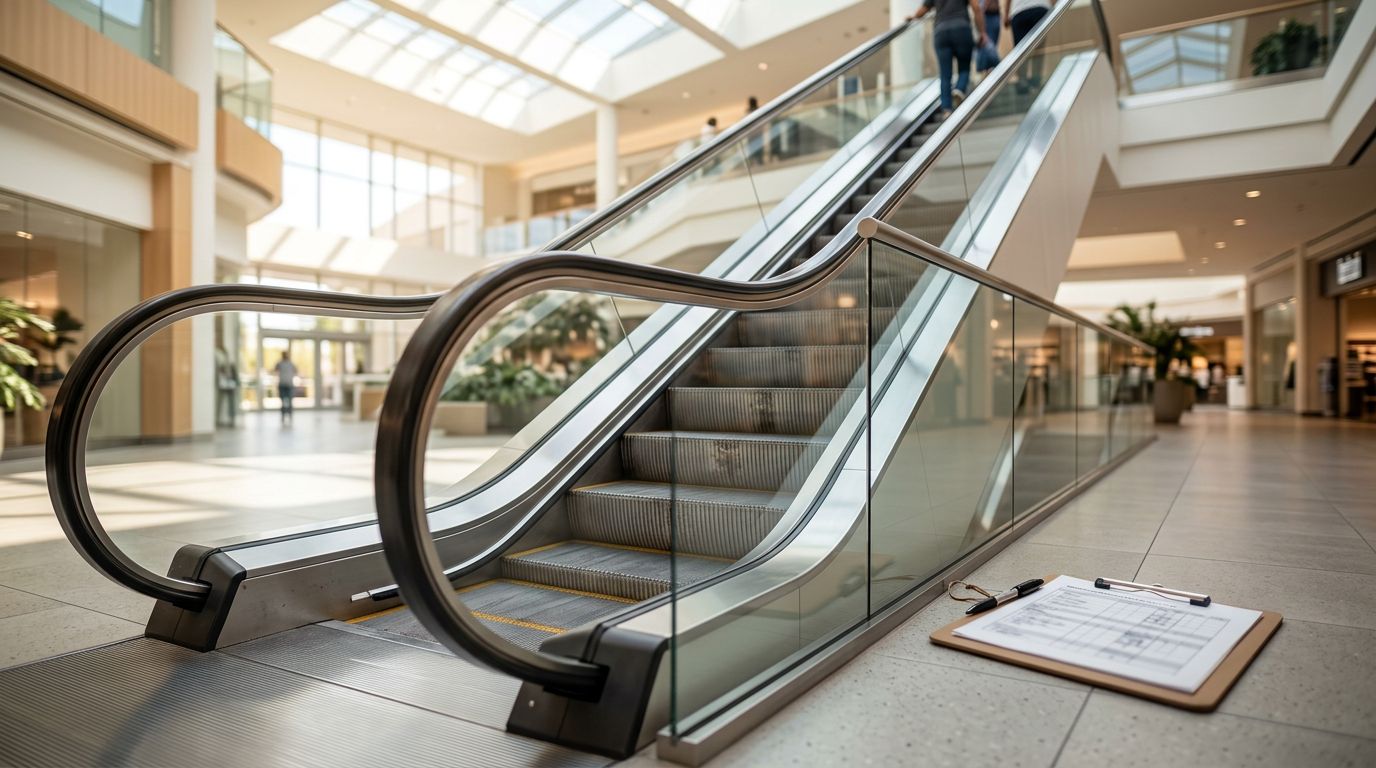
Florida escalator injury claims often turn on one thing, the maintenance logs. A broken step, a sudden stop, or a slick landing can cause a serious fall in seconds, but the records behind the machine may show whether the problem had been there for weeks.
If you were hurt in a mall, hotel, office building, or transit center, the key question is simple, did the owner inspect, fix, and document the escalator the way they should have? Those logs can answer that question. They can also show when a hazard was ignored, repeated, or covered up too late.
The hardest part is that evidence does not wait around. Logs get updated, cameras overwrite footage, and people forget details fast. The sections below show which records matter most and how they fit into a Florida injury claim.
Why Maintenance Logs Matter After an Escalator Injury
Maintenance logs are more than routine paperwork. They can show whether the escalator was checked on schedule, whether a defect was reported before the fall, and whether repairs happened before anyone got hurt.
That matters because many claims depend on notice. If a property owner knew about a dangerous condition, or should have known, then failed to fix it, that can support a negligence claim. A log entry that says “step noise reported” or “handrail slip noted” may look small at first, but it can become a major piece of proof.
A missing log can matter as much as a bad one. It may show weak inspection practices or a repair that never happened.
The pattern matters too. One isolated repair note tells a different story than six notes about the same fault. Repeated complaints can show that the escalator was a known problem, not a surprise. That is why owners, managers, and maintenance vendors often fight hard over the records.
Common Escalator Problems That Lead to Injuries
Escalator injuries do not always come from a dramatic breakdown. Many start with small maintenance failures that build into a dangerous condition.
Wet floors and poor housekeeping
Rain, spilled drinks, and tracked-in water can turn an escalator landing into a slip zone. That risk rises when a building has weak housekeeping or no warning signs near the landing.
People often expect the moving steps to be the danger. In many cases, the landing area causes the fall. A slick floor at the top or bottom can send a rider off balance before they even realize what happened.
Worn steps, comb plates, and handrails
Loose steps, damaged comb plates, and frayed handrails can trap shoes, catch clothing, or pull a rider sideways. These defects are especially dangerous for children, older adults, and anyone carrying bags.
A maintenance log should show when workers inspected those parts and whether they found damage. If the same part kept failing, that record can be powerful proof of a repeat hazard.
Sudden stops and rough starts
An escalator that jerks, stops, or restarts too hard can throw a rider forward. The cause may be a sensor problem, a brake issue, or a failed repair.
When that happens, service records become important. They may show a shutdown, a quick restart, or a repair that never got tested properly. That kind of paper trail can help explain why the injury happened.
Which Maintenance Records Can Change a Florida Escalator Injury Claim
The most useful records are the ones that show what happened before, during, and after the escalator failed. Missing dates, blank spaces, and repeated notes can tell a story on their own.
| Record | What it can show | Why it matters |
|---|---|---|
| Daily inspection logs | Whether anyone checked the escalator that day | Missing entries can point to weak routine care |
| Repair work orders | What defect was reported and when | Repeated repairs can prove a known problem |
| Contractor service reports | What the technician found and fixed | Helps link the fault to the owner or vendor |
| Incident and complaint logs | Prior rider complaints or earlier injuries | Shows notice and a pattern of risk |
| Shutdown and restart records | When the unit was taken out of service | Can reveal a rushed restart or unsafe return to use |
These records work best together. A daily log may show a check mark, but a repair order from the next morning may say the same escalator had a broken step. That gap matters.
The same is true when the records are incomplete. A missing signature, a skipped date, or a vague note like “looked fine” may not help a property owner if other documents show repeat trouble. In some cases, the lack of a clear record is the problem.
If you need help getting those records, a Florida personal injury attorneys team can send a preservation letter and request the logs before they disappear.
What to Do Right After an Escalator Injury
The steps you take after the fall can protect both your health and your claim.
- Get medical care right away, even if the injury seems minor. Head injuries, fractures, and soft tissue damage can get worse later.
- Report the incident to the property manager, owner, or security staff. Ask for a copy of the incident report if one is made.
- Take photos of the escalator, the floor, warning signs, lighting, and your injuries. If something looked broken or wet, capture it before it changes.
- Get witness names and phone numbers. Employees, riders, and nearby shoppers may remember what the escalator did right before the fall.
- Keep your clothes, shoes, and receipts. Damaged items can help show how the injury happened, and medical bills help show the cost.
The sooner those details are collected, the better. A quick response can prevent key records from being lost or changed.
Who May Be Responsible, and Why the Logs Matter
Several parties may share fault in an escalator injury case. The building owner or manager may have failed to inspect the unit. A maintenance company may have done a poor repair. A manufacturer or installer may be involved if the escalator had a defect from the start.
The maintenance logs help sort that out. They show who serviced the escalator, when it was last checked, and whether a known issue was ignored. They can also show whether the property owner kept relying on a contractor who missed the same problem again and again.
That evidence matters because responsibility does not always stop with the place where you fell. Sometimes the problem started with a repair, a part, or an installation choice made months earlier.
Florida deadlines can move quickly
Most negligence claims filed in Florida after March 24, 2023 have a two-year filing deadline. That clock usually starts on the date of injury.
Different facts can change that timeline. If a public entity is involved, special notice rules may apply. Product-related claims can also bring different deadlines and proof issues. Because of that, waiting for the full set of records can be risky.
Conclusion
Escalator injuries can happen in a blink, but the claim often turns on slow, careful proof. The maintenance logs may show missed inspections, repeat defects, or a repair that came too late.
When those records are missing or incomplete, that can matter just as much. It may point to weak safety checks, a poor paper trail, or a hazard that was never handled the right way.
If you were hurt in Florida, move fast on medical care, reporting, and evidence. The machine is part of the case, but the record behind it often tells the real story.