
Florida Gym Injury Claims After Broken Equipment
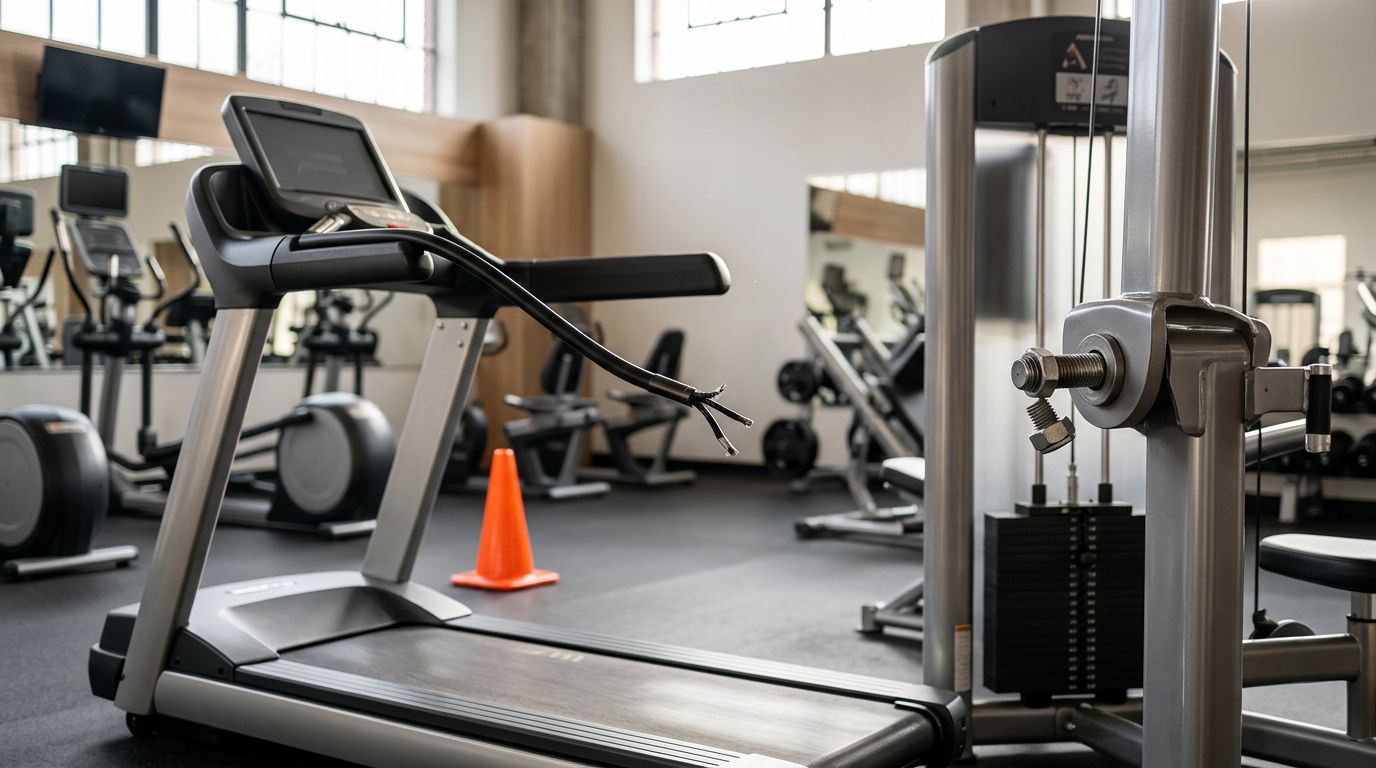
A snapped cable, loose bolt, or failing treadmill can turn a normal workout into a serious injury in seconds. When that happens, the question is not whether you were exercising hard. The real issue is whether the gym kept its equipment safe.
Many gym injuries come from overuse or poor form, and those usually do not support a claim. But when equipment fails because of poor maintenance, a hidden defect, or a missed warning sign, Florida gym injury claims can look very different. The details around the machine often matter as much as the injury itself.
When a workout injury turns into a legal claim
Not every fall or strain at a gym becomes a case. A pulled muscle from lifting too much is one thing. A weight machine that drops a bar because a cable snapped is another.
That difference matters because Florida law focuses on fault. If the gym owned the equipment, ran the facility, and ignored obvious problems, the injured person may have a claim based on premises liability. If the machine itself was defective, product liability may also come into play.
Common failure points include worn cables, broken benches, unstable racks, treadmill defects, and loose parts that fall during use. A bench collapse can be fast and brutal. A bar that slips from a machine can cause head, shoulder, or back injuries in an instant.
That proof trail looks a lot like the one in Florida elevator injury claims guide, where maintenance records and inspection gaps often decide the case.
Who may be responsible after equipment failure
Gym cases often involve more than one party. The gym owner may have failed to inspect the machine. A maintenance company may have missed a repair. The manufacturer may have sold a defective product or parts that wore out too soon.
Sometimes the facts point to more than one claim. A gym can be responsible for unsafe upkeep while the maker may still answer for a design flaw. That is why these cases need a close look at the machine, the service history, and the purchase records.
The U.S. Consumer Product Safety Commission recalled certain AMP MP2 Smart Fitness Machines in late 2025 because of injury risks tied to failures. A recall does not prove a gym case by itself, but it can support the argument that the equipment was unsafe.
Waivers also do not end every claim. A gym may ask members to sign a release, yet a waiver usually does not protect a business that ignored a known danger or kept using broken equipment. The same kind of hidden-failure issue comes up in Florida chair collapse claims, where a sudden breakdown often points back to inspection problems and missed warning signs.
Evidence that helps Florida gym injury claims
Strong cases start with fast proof. Gyms repair equipment, move machines, and clear the floor quickly. Once that happens, the scene changes and important details can disappear.
Save what you can before the memory fades and the machine is fixed.
- Photograph the machine from several angles.
- Write down the exact equipment name, model, and settings.
- Ask for the incident report number and the names of staff on duty.
- Get witness names and phone numbers.
- Keep your shoes, clothing, and any damaged items.
- Seek medical care right away, then save every record.
A simple habit, borrowed from Florida theme park injury evidence checklist, is to save photos, witness names, and incident details before the scene changes. That same habit can protect a gym case.
If the gym repairs the machine the same day, the broken part and the exact settings may be gone for good.
Medical records matter too. They connect the failure to the injury. If you wait too long, the gym may argue that your pain came from somewhere else or that it was only a minor strain.
Waivers, fault, and what compensation may cover
A waiver is only one part of the picture. Florida courts still look at whether the gym acted reasonably. If staff skipped inspections, ignored complaints, or let a damaged machine stay in use, that can support a claim even when a waiver exists.
Florida also uses comparative fault rules. So, if the gym argues that you used the machine incorrectly, your recovery can be reduced. Still, a broken machine that failed during normal use usually puts the focus back on upkeep and control.
Compensation in these cases can include medical bills, physical therapy, lost wages, future treatment, and pain and suffering. In serious cases, the losses can reach far beyond the first ER visit. A torn shoulder, head injury, or spinal problem may affect work and daily life for months or longer.
Conclusion
A gym should not feel like a trap. When equipment fails, the case often turns on a simple question, did someone miss a repair, a warning, or a defect that should have been caught?
That is why proof matters so much in Florida gym injury claims. The machine, the maintenance history, and the records you save can shape the entire case. When the workout ends with broken equipment, the details you keep right away can make all the difference.