
Florida Kidney Infection Misdiagnosis and Urine Culture Delays
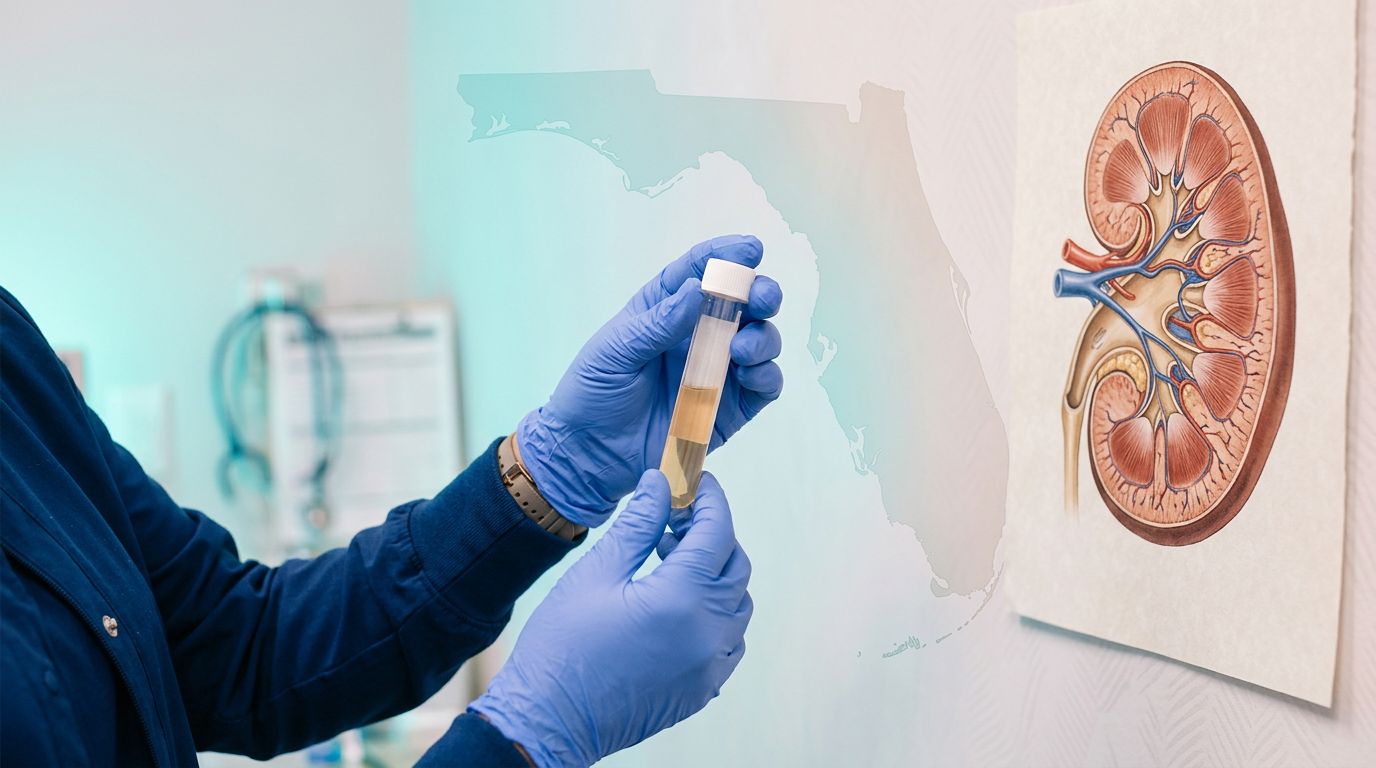
Kidney infections can turn serious fast, and the early symptoms often look ordinary. Fever, flank pain, nausea, and painful urination may point to a urinary problem, but they can be brushed off as something minor.
When a doctor misses a kidney infection, or waits too long on a urine culture, the delay can lead to sepsis, kidney damage, or a longer hospital stay. In Florida, those delays can also raise medical malpractice questions when the chart showed warning signs.
How kidney infection misdiagnosis happens in Florida ERs and urgent care
A kidney infection often starts with symptoms that overlap with other conditions. That is where mistakes begin. A patient may arrive at an ER or urgent care with back pain, fever, and urinary symptoms, then leave with medicine for a pulled muscle, a stomach virus, or a simple bladder infection.
That kind of error is more likely when the visit is rushed or the complaint sounds familiar. Doctors may focus on the most common explanation and miss the one that needs faster treatment. A kidney infection can also look like kidney stones, flu, dehydration, or even abdominal pain from another cause.
Common warning signs should get careful attention, especially when they appear together:
- Fever or chills
- Pain in the side, back, or flank
- Nausea or vomiting
- Burning with urination
- Cloudy or foul-smelling urine
- Confusion or weakness in older adults
A kidney infection is easier to treat when it is caught early. Once the infection climbs higher or spreads, the stakes rise fast.
The risk goes up when a provider treats the symptoms but never explains why the diagnosis fits. If the chart shows urinary symptoms, abnormal urine testing, or a fever with flank pain, the record may tell a different story than the discharge paperwork.
Why urine culture delays matter
A urine culture matters because it identifies the bacteria and helps show which antibiotics should work. A urinalysis can suggest infection, but it does not always tell the full story. That gap matters when a patient is sent home before the culture comes back, or when nobody follows up on the result.
Here is a simple way to look at the difference:
| Test | What it shows | Why it matters |
|---|---|---|
| Urinalysis | White blood cells, nitrites, blood, or other signs of infection | It can point to a urinary infection, but it does not name the bacteria |
| Urine culture | The specific bacteria in the urine | It helps confirm the diagnosis and guide antibiotic choice |
| Culture delay | Results return after the visit | A patient may get the wrong drug, the wrong dose, or no follow-up at all |
The problem is often not the culture itself. It is the failure to act when the result arrives. If the bacteria are resistant to the first antibiotic, the infection can keep spreading while the patient thinks treatment is working.
A delayed culture can also matter when symptoms keep getting worse. If the fever continues, pain increases, or vomiting starts, the next provider may need the culture result to see the full picture. Without that result, the care team may repeat the same mistake.
When a missed kidney infection becomes medical malpractice
Not every bad medical outcome is malpractice. Florida law looks at whether the provider met the accepted standard of care, then asks whether the mistake caused real harm. A missed diagnosis, a delayed culture review, or a failure to change treatment can support a claim when the record shows the warning signs were there.
For a clear overview of the legal side, see Florida medical malpractice legal requirements. The key questions are simple, even if the proof is not. Did the provider have enough information to suspect a kidney infection? Did they order the right tests? Did they review the urine culture and adjust treatment when needed?
A strong case usually depends on timing. If the patient had symptoms that pointed to kidney infection, and the provider still sent them away without proper testing or follow-up, that may be a breach. If the delay then led to hospitalization, kidney injury, or sepsis, causation becomes a central issue.
The chart matters more than the apology. If the records show ignored symptoms or a missed culture result, that can speak louder than the final diagnosis.
Florida cases also turn on expert review. A doctor must be able to explain how the care fell below the standard and how earlier treatment would likely have changed the outcome. That is why a careful record review is so important.
Evidence that can support a Florida claim
The strongest evidence is often already in the file. Lab reports, nursing notes, discharge instructions, and follow-up calls can show whether the infection was missed or mishandled. If you are sorting through records, medical malpractice evidence for misdiagnosed infections can help you see which documents matter most.
Useful records often include:
- Urinalysis and urine culture results
- Antibiotic prescriptions and changes
- ER or urgent care notes
- Fever readings and other vital signs
- Imaging reports, if any were ordered
- Phone logs or portal messages about delayed results
- Hospital records if the infection worsened later
The timeline matters too. A patient may have come in on Monday, had a positive culture on Wednesday, and never got a call until Friday. That delay can matter a lot if the symptoms were getting worse each day.
Later records can help tie the first visit to the harm. If a patient needed IV antibiotics, a hospital stay, or more aggressive treatment after the delay, the gap in care becomes easier to see. In infection cases, small clues often add up fast.
What harm can follow a delayed kidney infection diagnosis
A delayed kidney infection can cause more than pain. It can mean a longer recovery, a hospital admission, or a fight with a more serious infection. Some patients develop sepsis, which is a medical emergency. Others face lingering kidney problems, missed work, or repeated doctor visits.
The harm is not always dramatic at first. Sometimes the first sign is a patient who simply does not get better. The fever keeps coming back. The pain spreads. Nausea makes it hard to drink water or keep medicine down. By then, the infection may need stronger treatment than it would have needed a day or two earlier.
For a Florida claim, those losses can matter in several ways. Medical bills, lost income, pain, and future care all belong in the picture. If the infection caused lasting kidney damage or another major complication, the case may involve much more than the first urgent care visit suggested.
A lawyer reviewing the file will usually look at three things first, the symptom timeline, the lab timeline, and the follow-up timeline. When those three do not match the care given, the case deserves a closer look.
Conclusion
Kidney infection misdiagnosis is dangerous because the signs can be easy to miss and the clock keeps ticking. A urine culture delay can be just as serious when the result is never reviewed or never used to change treatment.
If the records show fever, flank pain, abnormal urine tests, or a delayed call about culture results, the case may involve more than a bad outcome. It may point to a missed chance to treat an infection before it became worse.
The clearest cases are built from timelines, lab reports, and follow-up notes. When those details show a gap between what the patient needed and what happened, the injury becomes easier to understand and harder to ignore.