
Florida Backyard Pool Drowning Claims Against Homeowners
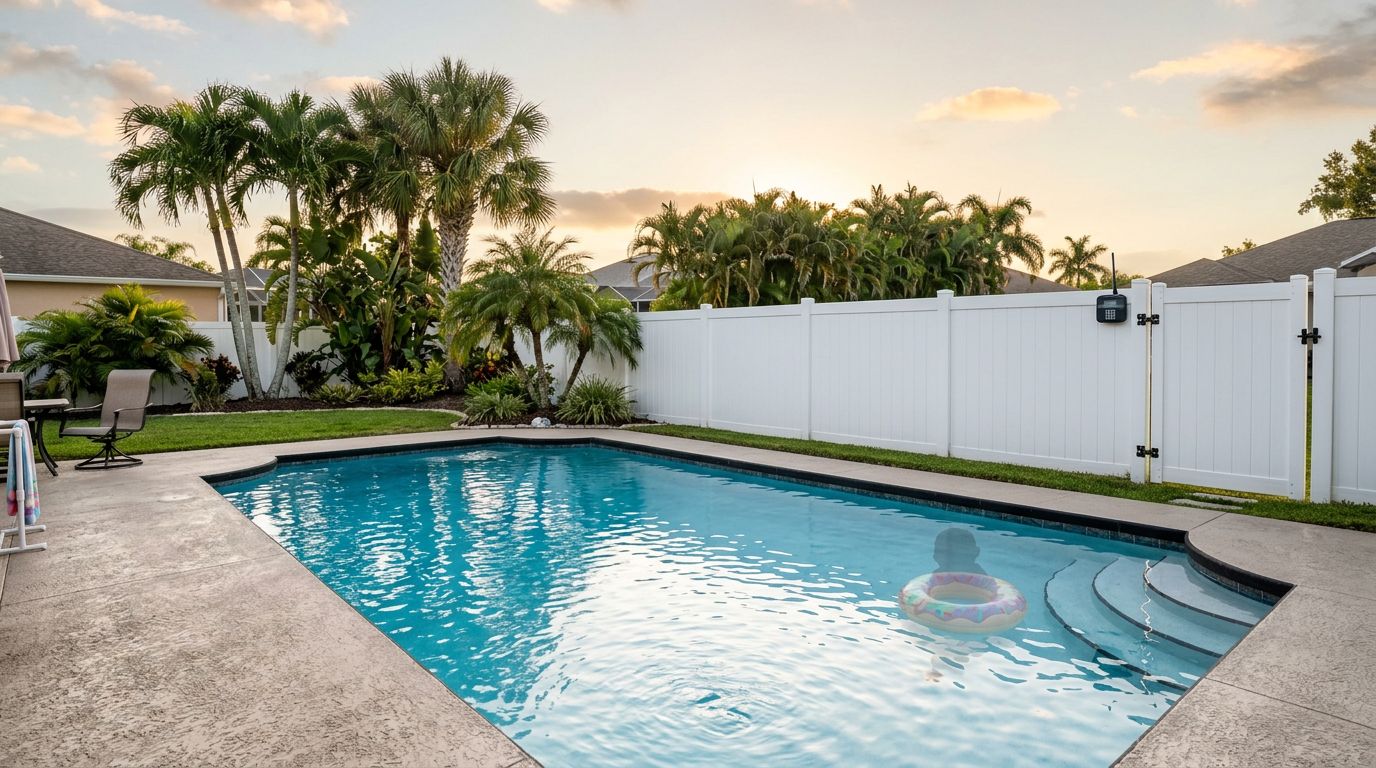
A backyard pool can turn from a family feature into a legal problem in seconds. When a drowning happens, the first question is often whether the homeowner kept the area reasonably safe.
In Florida, that answer depends on more than shock or sympathy. It depends on barriers, alarms, gates, supervision, and who was allowed on the property. Florida pool drowning claims often rise or fall on small details that should have been addressed long before the accident.
The law does not punish every tragedy. It does, however, hold homeowners accountable when a preventable hazard helps cause a death or serious injury. Start with the rules that usually control these cases.
Why pool drowning claims hinge on the property itself
Pool cases are different from many other injury claims because the danger is often right there in the yard. A fence that does not latch, a broken alarm, or an open gate can change the whole case.
Florida uses premises liability law in these situations. That means the homeowner may owe a duty to keep the property reasonably safe for guests and others who are allowed there. If the pool area had a dangerous condition, and that condition helped cause the drowning, the homeowner may face liability.
A few facts usually matter right away:
| Issue | Why it matters |
|---|---|
| Who was on the property? | The homeowner’s duty can change depending on whether the person was a guest, a child, or a trespasser. |
| Was the pool protected? | A missing fence, faulty gate, or broken alarm can support a negligence claim. |
| Did the hazard cause the drowning? | The family must connect the unsafe condition to the death or injury. |
| What losses followed? | Medical bills, funeral costs, and other damages shape the claim. |
That table tells the basic story. The legal fight usually turns on proof, not guesswork.
Florida pool safety rules that matter most
Florida law requires new residential pools to have at least one safety feature. The law allows several options, including a fence or barrier, a pool cover, an alarm on doors or windows that lead to the pool area, or self-closing, self-latching gates or doors.
Those rules matter because they show what Florida expects from a homeowner before anyone gets hurt. If the homeowner skipped the required safety feature, or installed one and never maintained it, that fact can support negligence.
Common problems include:
- a fence with gaps or damage
- a gate that does not self-latch
- a door alarm that no longer works
- a pool cover that was never used or no longer fit
- access from the house to the pool with no real protection
A missing barrier is more than a code issue. In the wrong case, it becomes evidence that the homeowner left a known danger open.
That does not mean every bad outcome creates liability. It does mean the pool’s condition matters. In a drowning claim, the yard itself often becomes the key witness.
Children, trespassers, and the attractive nuisance rule
Pools are dangerous for adults. They are even more dangerous for small children, who may not understand the risk. Florida recognizes that reality through the idea of attractive nuisance.
A pool can attract young children, even when they were not invited. Because of that, homeowners may face a stronger duty to protect against child access. The law does not excuse a homeowner who leaves a pool easy to reach and then assumes a child should have known better.
That point matters in backyard cases. A child may slip through a side gate, wander into a yard, or reach the pool area during a gathering. In those situations, the question is often whether the homeowner took reasonable steps to keep the child out.
Still, the family must prove more than a tragic result. The claim still needs evidence of negligence and causation. The homeowner’s lack of barriers, broken gates, or other unsafe conditions must connect to the drowning.
When the victim is a child, juries and insurance carriers tend to look closely at the facts. They want to know whether the pool was fenced, whether the latch worked, and whether the homeowner knew children were nearby.
Evidence that can make or break the claim
Pool evidence can disappear fast. Water gets cleared, repairs get made, and memories fade. That is why early documentation matters so much in Florida pool drowning claims.
The strongest cases often start with a careful record of the scene:
- photos of the fence, gate, latch, and alarms
- repair or maintenance records
- 911 calls and emergency response times
- witness statements from guests, neighbors, or family members
- medical examiner reports, hospital records, or autopsy findings
These materials help answer a simple question: what failed before the drowning happened?
A lawyer who handles Florida personal injury attorneys can use that evidence to trace the chain of events and test whether the homeowner met the legal duty to keep the pool area safe. That review matters because a strong claim is built from facts, not assumptions.
The scene may also reveal smaller details that matter. A propped-open gate, a broken door alarm, or a missing lock can look minor at first. In a claim, those details can carry real weight.
What damages families may recover
A drowning claim is not only about fault. It is also about loss. The damages in these cases can be substantial, especially when a family has lost a child, spouse, or parent.
Depending on the facts, a claim may include funeral and burial costs, final medical bills, and the loss of income or support the person would have provided. In some cases, Florida law may also allow recovery for pain and suffering or loss of companionship.
If the person survived for a time after the incident, the claim may also involve emergency care, hospitalization, and conscious pain before death. Those facts often come from medical records and witness accounts.
Every case is different. The value depends on who died, how the drowning happened, and what evidence shows about the homeowner’s conduct. That is why early legal review matters.
Choosing the right Florida lawyer after a pool drowning
Pool cases often mix premises liability, wrongful death law, and insurance defense. They also move fast, because evidence can vanish while families are still grieving.
That is one reason hiring the right personal injury attorney in Florida matters so much. The lawyer should know how to inspect the scene, preserve proof, and read the safety facts in light of Florida law.
Ask how the firm handles pool cases, whether it has experience with child injury claims, and how quickly it can gather records. A lawyer should also understand the difference between a bad outcome and a legally actionable failure. That distinction can decide the case.
If the homeowner’s pool lacked required safety features, or if a broken gate or alarm helped let tragedy happen, the claim may be stronger than it first appears. The right attorney will spot those issues early.
Conclusion
A backyard pool drowning is one of the hardest cases a family can face. In Florida, the legal question is not whether the loss is heartbreaking, it is whether the homeowner failed to keep the pool area reasonably safe.
The key facts are usually simple, fence, gate, alarm, access, and proof. When those pieces show neglect, a claim may follow. When they do not, the case may be much harder to prove.
If a pool death or serious injury happened at a Florida home, the fastest path forward is to preserve the evidence and get the property reviewed before it changes.