
Florida Apartment Stairwell Fall Claims: Burned-Out Light Evidence
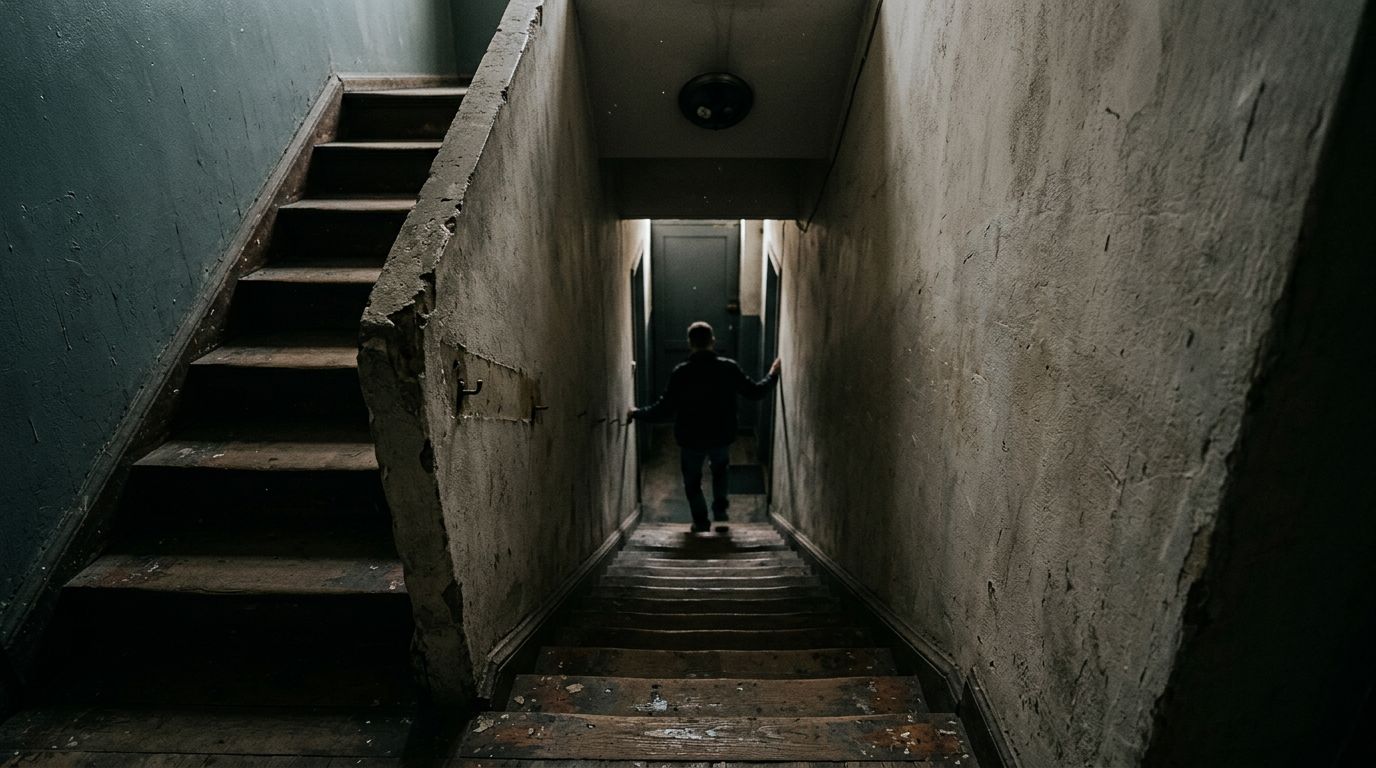
A burned-out stair light can do more than leave a hallway dark. In Florida apartment stairwell fall claims, it can help show that a landlord knew, or should have known, about a dangerous condition.
That matters because stairwells are shared spaces. If the light failed and nobody fixed it, the fall may point to negligence, not bad luck.
If you were hurt in an apartment building, small details can change the case. A photo, a repair message, or a witness account can make the difference. When you need help sorting through that evidence, experienced personal injury attorneys in Florida can review what happened and explain your options.
Why stairwell lighting matters in an apartment fall
A stairwell is not a place where people should have to guess where each step is. When the lighting is weak or out completely, the risk rises fast. Shadows hide broken steps, loose edges, wet spots, and missing handrails.
Florida landlords have a duty to keep common areas safe. That includes shared stairwells, hallways, and entry areas. They also need to make timely repairs and follow safety rules that apply to the property. Under Florida law, the landlord’s job is not optional because a light fixture failed.
Poor lighting can affect balance and depth perception. That sounds simple, but it matters in a real fall case. A person may miss a step because the landing blends into the floor. A crack in the stair may disappear in the dark. A loose handrail may go unnoticed until it is too late.
In other words, the stairwell condition and the fall often connect in a very direct way. If the area was dark, the building owner may have had more than enough warning that the space was unsafe.
How burned-out light evidence supports a claim
Burned-out light evidence is valuable because it can show both danger and notice. A photo of a dark stairwell may prove the condition existed. A text message to management may prove the problem had already been reported. A maintenance log may show the landlord waited too long to repair it.
That timeline matters. A landlord is more likely to be responsible when the building controlled the stairwell, knew about the hazard, and did not fix it in a reasonable time. A single burned-out bulb may seem minor, but in a stairwell it can become strong evidence.
A good claim often depends on proof that can be saved early. Here is a simple way to think about it:
| Evidence | What it can show | Why it matters |
|---|---|---|
| Photos or video of the dark stairwell | The light was out at the scene | Shows the hazard existed when the fall happened |
| Maintenance requests or tenant complaints | The landlord knew about the problem | Helps prove notice |
| Witness statements | The stairwell was dark before the fall | Confirms the condition without guesswork |
| Repair logs or work orders | When the landlord acted, or failed to act | Shows delay in fixing the light |
| Security camera footage | How the fall happened | Helps connect the lighting problem to the injury |
This kind of proof can turn a vague story into a clear timeline. It also helps when the landlord later says the light was working or the area was fine.
A claim can weaken fast if evidence disappears. For that reason, avoid the common mistakes that can hurt a case. A good checklist of protecting your injury claim starts with reporting the fall and saving proof right away.
Other proof that strengthens a stairwell fall case
Lighting evidence is important, but it usually does not stand alone. The rest of the file needs to match it. Medical records, witness names, and the apartment’s own records can all help.
The strongest cases usually show four things clearly. First, the landlord had a duty to keep the stairwell safe. Second, the landlord failed to do that. Third, the unsafe stairwell caused the fall. Fourth, the fall caused real injury.
Your medical records are especially important. ER notes, imaging scans, follow-up visits, and physical therapy records can connect the fall to the harm you suffered. That matters when the defense tries to argue the injury came from something else.
Photos can also help if they show:
- a dark landing
- a burned-out fixture
- broken or uneven steps
- missing or loose handrails
- wet spots or trash in the stairwell
Witnesses can be useful too. A neighbor may have seen the stairwell before the fall. Another tenant may know the light had been out for days or weeks. Even a short statement can help support your version of events.
The key is consistency. The scene, the medical records, and the witness statements should point in the same direction. When they do, the claim becomes much harder to dismiss.
Florida landlord duties and common defenses
Florida apartment cases often turn on control and notice. If the stairwell is a shared area, the landlord usually controls it. That control brings responsibility. If the owner knew about a failed light and did nothing, the claim gets stronger.
Still, landlords do raise defenses. They may say they did not know about the outage. They may argue the light failed shortly before the fall and they had no time to fix it. Sometimes they blame the tenant for not paying attention or for creating the hazard.
Those defenses do not end the case. They just shift the focus to the facts. Was there a prior complaint? Did other tenants report the same issue? Were there repeated maintenance delays? Did the landlord inspect the area often enough to catch the problem?
Florida law also looks at comparative fault. That means the defense may try to reduce blame if it claims the injured person was partly at fault. For example, they may say the person was rushing, using a phone, or ignoring warning signs. Even then, poor lighting can still be a major cause of the fall.
A landlord may avoid liability if the tenant created the problem or the danger was outside the landlord’s control. A stairwell light outage in a common area is different. That kind of issue usually points back to property maintenance and inspection.
What to do right after a stairwell fall
The hours after the fall matter a great deal. If you are hurt, get medical care first. After that, try to preserve the scene and the paper trail.
- Take photos of the stairwell, the light fixture, the steps, and any visible injury.
- Report the fall to management in writing, not just by phone.
- Get the names and contact details of anyone who saw the fall or knew about the dark stairwell.
- Save your shoes, clothes, and anything else tied to the incident.
- Ask for a copy of any incident report, if one is created.
- Keep all medical records, bills, and follow-up instructions.
A short written note can also help. Write down when you used the stairs, what the lighting looked like, and whether you had seen the problem before. Memory fades fast, especially after an injury.
Do not assume the landlord will keep the evidence for you. Security footage can be erased, and maintenance records can be hard to get later. The sooner the claim is documented, the better.
When a stairwell fall becomes a strong premises liability case
A strong apartment fall claim usually has a simple core. The stairwell was unsafe, the landlord had or should have had notice, and the lighting problem helped cause the fall. Burned-out light evidence can be the thread that ties all of that together.
The claim is strongest when the proof shows a repeated or ignored problem. One broken bulb may not be enough by itself. A burned-out light plus prior complaints, failed repairs, and medical proof of injury paints a much clearer picture.
That is why apartment fall cases often rise or fall on the records. A landlord’s inspection schedule, repair log, and tenant complaints can matter as much as the injury itself. When those records show delay, the case usually gets stronger.
Conclusion
A burned-out stair light can seem small until it leaves someone on the floor. In a Florida apartment, that single failure may reveal a larger maintenance problem and support a serious injury claim.
The best cases are built on fast reporting, clear photos, medical care, and proof that the landlord knew about the hazard. When those pieces line up, the stairwell does not stay a mystery for long.