
Florida Workers’ Comp and Third-Party Claims After a Job Injury
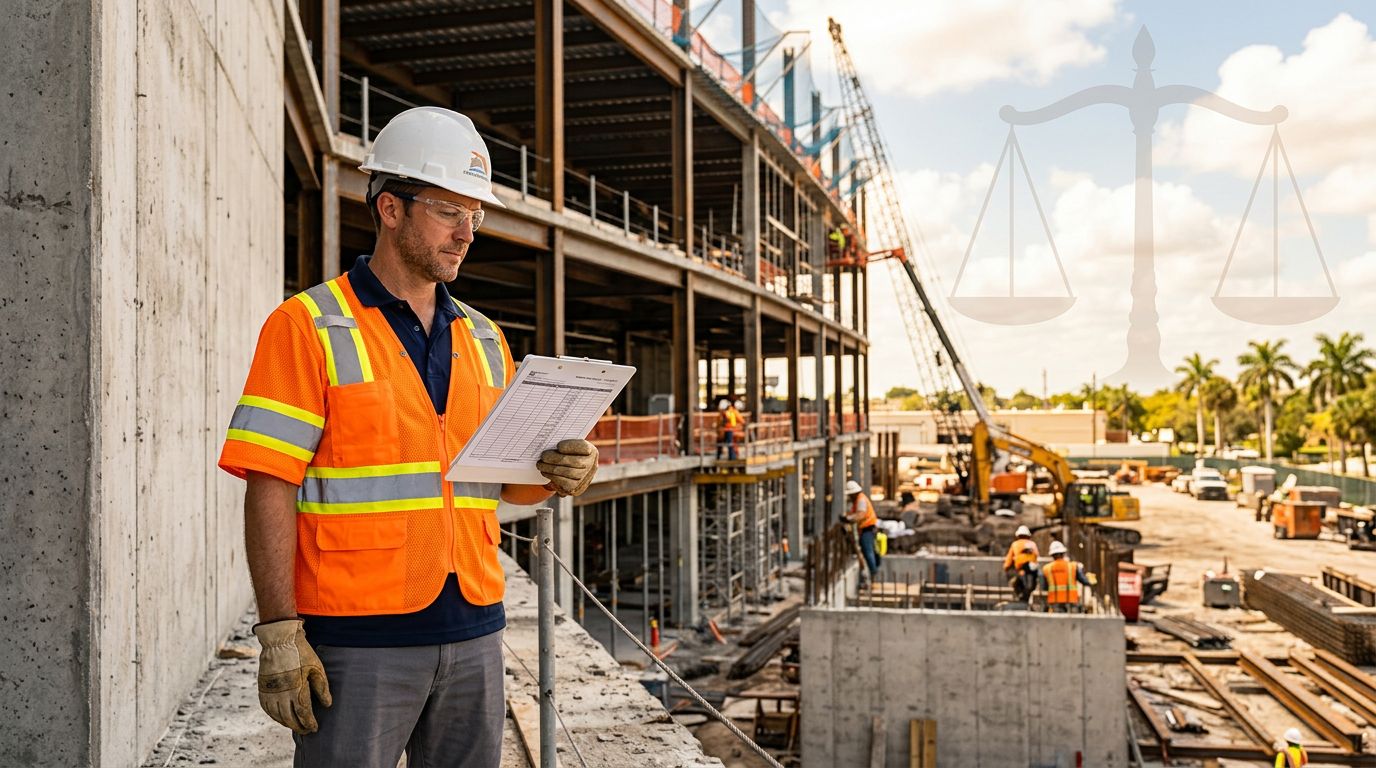
A work injury can turn one normal day into a pile of bills, missed paychecks, and unanswered questions. In Florida, workers’ compensation may cover part of the damage, but it does not always cover all of it.
That gap matters when someone other than your employer caused the accident. A careless driver, contractor, property owner, or product maker may open the door to a Florida third-party claim.
The two claims can work together, but they follow different rules and pay for different losses. Here is how that works, and what to look for after a job injury.
How Florida workers’ compensation works after a job injury
Workers’ compensation is a no-fault system. That means you usually do not have to prove your employer did anything wrong to get benefits. If the injury happened in the course of your work, the claim may cover approved medical care and part of your lost wages.
That sounds simple, but the system has limits. Workers’ comp does not pay pain and suffering. It also does not pay every dollar of lost income or every future loss tied to the injury.
Because of that, workers’ comp often feels like a safety net with holes in it. It helps, but it does not always make you whole.
The first step is usually reporting the injury fast and getting medical care through the proper channel. Florida workers’ comp claims can stall when an employer fails to act or pushes the report aside. If that happens, the firm’s guide on reporting a workers’ compensation claim explains what to do next.
Workers’ comp can keep a bad situation from getting worse, but it rarely covers the full cost of a serious injury.
When a third-party claim fits your case
A third-party claim is a lawsuit against someone other than your employer or a co-worker. In plain terms, it is a claim against the outsider who helped cause the injury.
This matters because Florida law usually protects employers from negligence lawsuits when workers’ comp applies. That protection does not reach everyone else at the job site or on the road. If another person or company caused the harm, a separate claim may exist.
Common examples include a delivery driver hit while working, a subcontractor who leaves a hazard on a site, a property owner who ignores a dangerous condition, or a machine that fails because of a defect. Each case turns on fault, not just on the fact that the injury happened at work.
A third-party claim usually follows the rules of ordinary negligence. You must show duty, breach, causation, and damages. That means the other party had a duty to act safely, failed to do so, and caused your injury.
This is where a Florida third-party claim becomes more than a side issue. It can be the part of the case that reaches the losses workers’ comp leaves out.
Why both claims can exist after one accident
Many injured workers think they must choose one path. That is not how it works in a lot of cases.
You can often file workers’ comp and a third-party claim at the same time. The workers’ comp case handles the work injury benefits. The third-party case targets the person or company outside your job who caused the accident.
A delivery worker offers a simple example. If a drunk driver runs a red light and hits the worker, the worker may get workers’ comp through the job. At the same time, the worker may sue the driver for the harm caused on the road.
The same idea can apply on construction sites and in warehouses. A contractor may create the dangerous condition. A manufacturer may sell a defective tool. A property owner may ignore broken stairs or poor lighting. Your employer can still be protected by workers’ comp, while the outside party remains liable.
The key is to sort out who caused what. That question often decides whether a third-party case is worth pursuing. It also decides who may have to pay later.
Workers’ comp vs. third-party claim, side by side
The two claims do not overlap in the same way. One helps with basic benefits. The other can reach broader losses.
Here is a simple comparison.
| Topic | Workers’ comp | Third-party claim |
|---|---|---|
| Fault | Usually no need to prove fault | Must prove another party was careless |
| Who pays | Employer’s workers’ comp carrier | Outside person or company, or that party’s insurer |
| Medical bills | Approved medical care | Full medical losses may be claimed |
| Lost wages | Partial wage benefits | Full lost wages and future earning loss may be claimed |
| Pain and suffering | Usually not covered | May be recovered |
| Legal target | Employer benefits system | Negligent third party |
The table shows the basic split. Workers’ comp is narrower, but faster to trigger in many cases. A third-party case takes more proof, but it may reach a fuller picture of your losses.
That difference matters most after serious injuries. Broken bones, back injuries, head trauma, and surgery cases often leave costs that workers’ comp does not fully absorb.
What to do in the first days after the injury
The clock starts early after a job injury. Small mistakes can weaken both claims, so the first few days matter.
- Get medical care right away. Your health comes first, and the medical record helps anchor both claims.
- Report the injury to your employer within 30 days whenever possible. Delay gives the insurer a reason to fight the claim.
- Write down how the injury happened. Include names, dates, places, and any equipment or vehicles involved.
- Save proof. Photos, texts, emails, incident reports, and witness names can help later.
- Ask whether someone outside your employer had a role. That question can uncover a third-party case early.
If the insurer pushes back, the claim can still move forward. Florida workers’ comp disputes happen often, and denials are not the end of the road. The firm’s guide on handling a workers’ compensation claim denial explains the next steps if the carrier refuses benefits.
Florida deadlines are strict. As a general rule, workers’ comp injuries should be reported within 30 days, and claims often must be filed within two years. Third-party negligence claims in Florida also usually carry a two-year deadline. Waiting too long can shut the door before the case gets a fair look.
How liens can affect a settlement
This is the part many people miss. A third-party settlement can trigger repayment rights tied to workers’ comp benefits already paid.
If the workers’ comp carrier covered your medical bills or wage benefits, it may seek reimbursement from part of the third-party recovery. Florida law allows those repayment rights in many cases, and the exact amount depends on the facts, the type of recovery, and how the settlement is structured.
That does not mean a third-party claim is not worth bringing. It means the numbers need a close look before anyone settles. A settlement that looks strong on paper can shrink fast if a lien is ignored.
The best way to think about it is simple. Workers’ comp pays first on the front end. The third-party claim may recover more on the back end. However, the final net amount matters more than the gross number.
Attorneys often focus on lien reduction, settlement allocation, and timing. Those details can change what the injured worker actually keeps. That is especially true when medical care is expensive or the wage loss is long-term.
Evidence that helps a third-party case
Third-party cases rise or fall on proof. Since fault matters, the evidence has to show what the outside party did and how it caused the injury.
The strongest evidence often includes:
- accident reports and workplace incident forms
- photos or video of the scene
- witness names and short statements
- vehicle damage or police reports, if a crash caused the injury
- maintenance logs, inspection records, or repair histories
- product labels, manuals, and the damaged item itself
- medical records that connect the injury to the event
- payroll and work records that show lost time
Not every case needs every item. Still, the more time that passes, the harder it becomes to gather useful proof. A witness forgets details. A scene changes. A damaged tool gets tossed. That is why early action helps.
In product cases, the item itself can matter as much as the photos. In property cases, lighting, broken flooring, or wet surfaces may be key. In traffic cases, phone records, dashcam footage, and crash reports can matter a great deal.
Even one overlooked detail can change the case. A shipping label, a contractor badge, or a traffic camera may identify the right defendant.
When legal help matters most
Some injury claims are straightforward. Many are not. When workers’ comp and a third-party case overlap, the questions multiply fast.
A lawyer can help sort out who caused the accident, which claims fit, and how to protect one case without hurting the other. That includes dealing with denied benefits, missed reports, settlement talks, and lien issues. It also includes making sure the third-party case is filed before the deadline runs out.
Legal help matters even more when the employer disputes the injury, the insurer delays care, or the outside party blames someone else. Those fights can stretch for months. Meanwhile, bills keep coming.
It also helps to have someone who can see the full claim, not just one piece of it. The workers’ comp file, the medical proof, and the third-party evidence all affect each other. A weak move in one place can undercut the rest.
The strongest cases are built early, with records that match the facts. That is hard to do while you are trying to heal and keep up with work, family, and treatment.
Conclusion
A job injury in Florida can create two separate paths, and both may matter. Workers’ comp can cover basic benefits, while a third-party claim may open the door to fuller compensation for an outside person’s mistake.
The key is to identify who caused the injury, move fast on deadlines, and protect the proof before it disappears. When a serious accident leaves more damage than workers’ comp can cover, the third-party claim is often where the missing piece is found.
The sooner the facts are sorted out, the better the chance of keeping both claims on track.