
Florida Valet Parking Crash Claims and the Video That Decides Fault
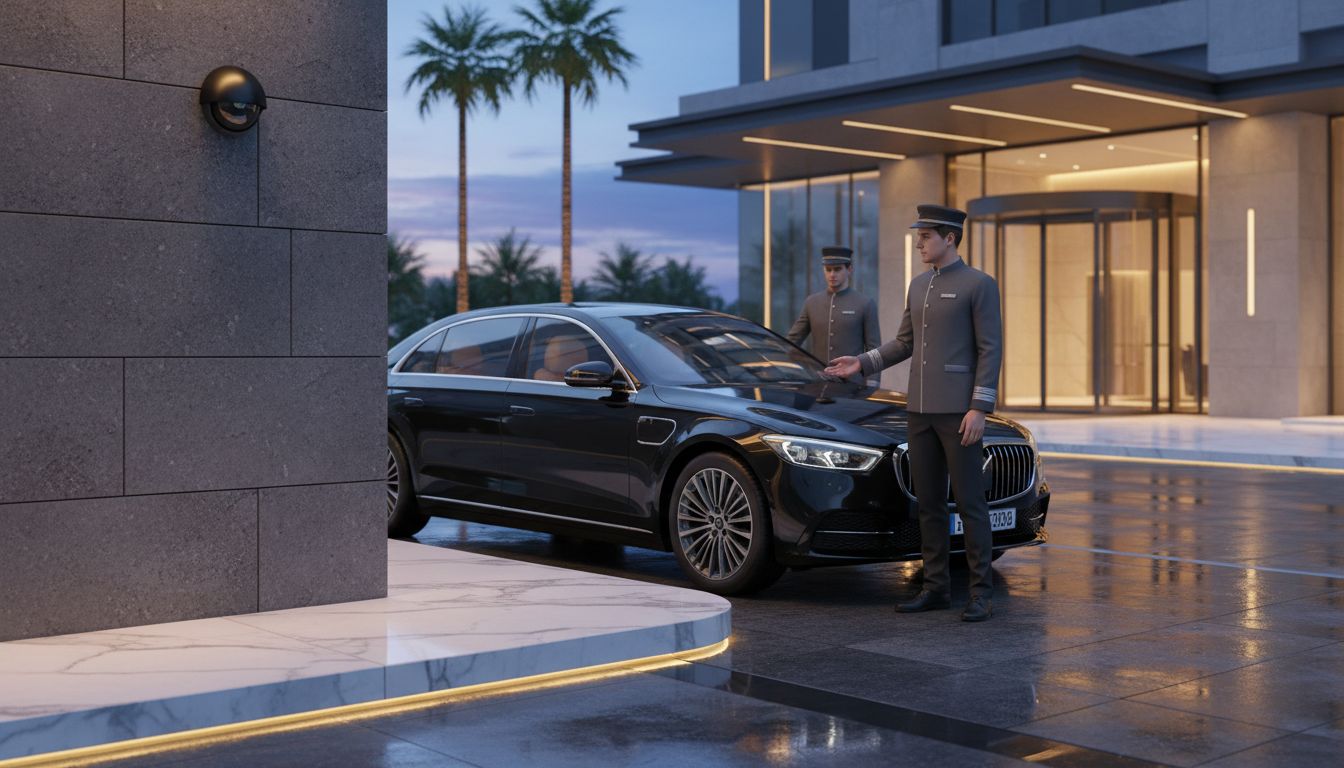
A valet crash can turn a normal evening into a mess in minutes. Your car may be damaged, you may be hurt, and the story can shift fast once the hotel or restaurant starts protecting itself.
In many Florida valet parking crash claims, the strongest witness is not a person. It’s the camera above the drive, the garage ramp feed, or a dashcam that caught the handoff. That is why the first few days matter so much.
Who may be responsible after a valet parking crash in Florida
As of April 2026, Florida has no statewide statute that creates a special valet crash claim. These cases still follow ordinary negligence rules, insurance rules, and proof of who controlled the car when the crash happened.
Usually, the valet company is the first place to look. If the attendant caused the crash while working, the employer may be liable for the employee’s driving. The hotel, condo, restaurant, or event venue may matter too, especially if it ran the valet stand, controlled hiring, or set up an unsafe traffic pattern.
That second piece often gets missed. A crash is not always only about bad driving. Sometimes the real problem is a blind exit, poor lighting, a tight turn, or a lane that forces guests and cars into the same space. When the layout or site control matters, Florida premises liability duty of care can become part of the case.
Local rules can also help identify who was supposed to carry coverage and accept responsibility. For example, Hollywood’s valet parking ordinance requires permit holders using public property to take on liability and indemnity obligations. That does not decide every private claim, but it can point to the operator that controlled the valet stand.
Insurers still look for shared blame. If you were walking behind the vehicle, opening a door, or moving through the pickup lane, the defense may argue that you caused part of the loss. Florida’s modified comparative negligence rule can reduce damages when fault is split, and it can bar recovery if a person is more than 50 percent at fault. That makes early proof more than helpful. It can decide whether a claim survives.
Why the right video changes a valet crash case
Memory is weak in busy loading zones. Valet attendants rotate cars. Guests come and go. A manager may only know what staff reported after the fact. Video can cut through all of that.
The most useful footage usually shows who had control of the car, what the driver could see, and how fast events unfolded. A wide shot may show the handoff from owner to valet. A ramp camera may show speed. A side angle may prove the pedestrian was visible for several seconds before impact.
Ask for the footage fast. Many systems overwrite in days, not months.
This is why one camera is rarely enough. The front entrance feed may miss the reverse movement. The garage camera may catch impact but not the handoff. A nearby rideshare dashcam or Tesla Sentry clip can fill the gap. Phone video taken seconds later can also matter because it captures final positions, lighting, and the lack of warning signs.
Federal crash investigators use video the same way, by matching footage with physical evidence to build a timeline. In the NTSB’s Coral Gables crash report, investigators relied on witness video and vehicle data to reconstruct signal timing and vehicle movement. The public video study docket shows how detailed that work can get. Your claim may not need that level of analysis, but the lesson is the same: timestamps, angles, and sequence matter.
Reverse collisions are common in valet lanes and garages. If the car backed into another vehicle, a wall, or a pedestrian, the issues often mirror parking lot reverse crash proof. Wide photos, lane markings, sight lines, and camera timing often matter more than a polished incident report.
How to protect video and build a stronger claim
Speed matters because evidence disappears. Some hotels keep footage for weeks. Others overwrite it in a few days. Third-party vendors may store video off-site, and the property may claim it does not have direct access. That is why a verbal request at the valet stand is not enough.
Put the request in writing. Ask the property, valet company, and any nearby business to preserve video from at least one hour before and after the crash. Include the date, time, location, vehicle information, and the names of anyone involved. Also ask for the valet ticket record, incident report, employee schedule, and any internal crash photos.
These items often help more than people expect:
- The valet claim ticket and pickup stub
- Text messages or app receipts showing arrival and departure time
- Photos of the entrance, cones, signs, lane markings, and lighting
- Names of witnesses, including doormen, security staff, and rideshare drivers
- Medical records that tie the injury to the crash without a treatment gap
Medical timing matters because insurers attack delays. If your neck, back, wrist, or head hurts, get checked right away. The longer you wait, the easier it is for the other side to say something else caused the injury.
Keep your own statements short and accurate. Do not guess about speed, distance, or who “must have” done what. Guessing gives the insurer room to twist your words later. Video, records, and scene proof tell that story better than speculation.
One more point matters in 2026. Florida still does not have a statewide valet-specific liability law, so claim value usually turns on ordinary negligence, the policies in play, and the quality of the evidence. When the handoff, control of the vehicle, and timing are clear, settlement talks usually become more grounded in facts.
Final thoughts
A valet crash claim often looks simple at first. Then the blame starts shifting, the footage gets harder to find, and memories change.
The strongest move is to lock down the video before it disappears. When that footage shows who had the keys, who had the lane, and who had time to avoid the crash, the case becomes much harder to minimize.