
Florida Wrongful Death Claims After Fatal Dog Attacks
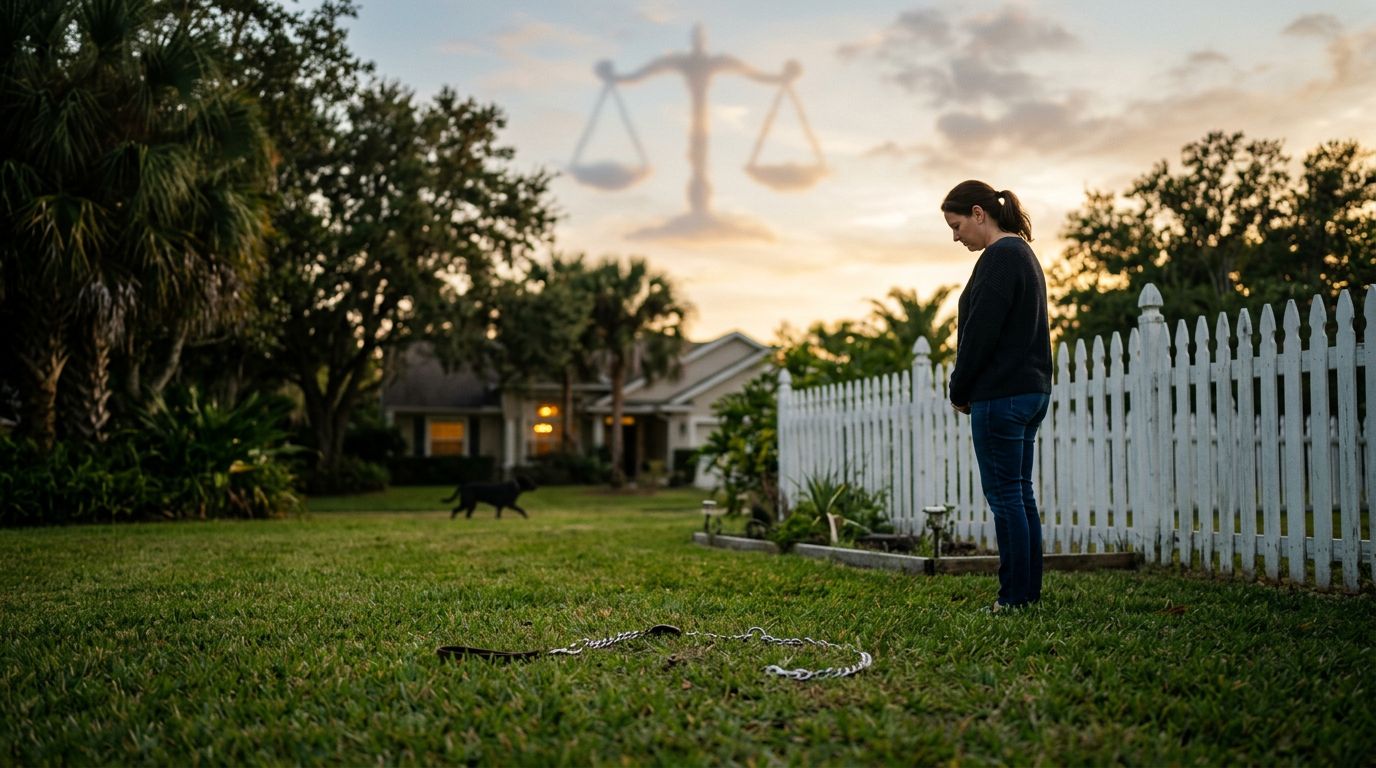
A dog attack that turns fatal leaves a family with grief, confusion, and urgent questions. Florida wrongful death claims can arise after these tragedies, but the facts matter from the start.
Who owned the dog, where the attack happened, and whether the person was lawfully on the property can shape the entire case. The deadline is also shorter than many families expect, so waiting too long can close the door on recovery.
How Florida law treats a fatal dog attack
Florida uses a strict liability rule for many dog bites. If a dog bites someone in a public place, or while the person is lawfully on private property, the owner can be liable even if the dog never bit anyone before. That matters when the bite leads to a fatal infection, massive blood loss, or injuries the victim never recovers from.
A guest, delivery driver, tenant, neighbor, or invited visitor can still have a claim if they were lawfully there. On the other hand, trespassing can weaken the case. A clearly visible “Bad Dog” sign can also help the owner defend the claim, although that defense usually does not apply to a child under age 6. If the person who died was partly at fault, Florida law can reduce the recovery.
A dog’s first bite can still create serious civil liability.
A deadly attack does not always fit neatly into one statute. Depending on the facts, negligence, premises liability, or a failure to control a known dangerous dog may also matter. If the owner ignored prior warnings, failed to repair a broken fence, or let the dog roam, those details can change the analysis fast. The dog-bite rule is the starting point, not the whole story.
Who can file a claim and when the clock starts
In Florida, the personal representative of the estate usually files the wrongful death claim. That person files for the benefit of the estate and the survivors. A spouse, children, and sometimes parents may each have different rights under the law. If no estate has been opened yet, probate may need to begin first.
That structure matters because the lawsuit has to be filed in the right name. It also matters because the court wants the claim tied to the proper survivors and losses. In some cases, the personal representative may need letters of administration before moving forward.
The deadline is usually two years from the date of death. The Florida wrongful death statute of limitations is one of the first issues to check, because insurance talks do not stop the clock. A criminal case does not stop it either. Civil claims follow their own schedule, and the deadline is strict.
Families often think there will be time to sort things out later. In reality, delay can cause trouble with probate, witnesses, and medical proof. Early review helps keep the case on track before the paper trail starts to fade.
What compensation may be available after a deadly dog attack
A wrongful death case is about more than the final hospital bill. It can include losses tied to the attack, the treatment, and the death itself. The exact recovery depends on who is claiming and what support the person provided.
Common losses can include:
- emergency care, surgery, hospitalization, and other medical costs before death
- funeral and burial expenses
- lost income, benefits, and household support
- the decedent’s pain and suffering before death
- loss of companionship, guidance, and protection for eligible survivors
- household services the person used to provide
The estate may also recover certain losses the person suffered before death, such as medical bills and wages lost between the attack and the death. For a closer look at the damages available in Florida wrongful death cases, the difference between estate losses and survivor losses matters a great deal.
A spouse’s claim is not the same as a parent’s claim, and neither is the same as the estate’s claim. The law separates those losses because each person can suffer in a different way. A young child may lose future support and guidance. A spouse may lose both income and companionship. The numbers depend on the relationship, the facts, and the proof.
Evidence that can shape the case
These cases can turn on details that disappear fast. Witnesses move on, phone videos get deleted, and property conditions change within days. That is why the early records matter so much.
Helpful evidence often includes animal control reports, 911 calls, photos of the scene, medical and autopsy records, witness statements, and any prior complaints about the dog. If the dog had been labeled dangerous before the attack, that history can matter too. Lease terms, HOA rules, and landlord records may also show who controlled the property and what warnings existed.
A short list can help keep the evidence organized:
- animal control reports and 911 audio
- photos of injuries, the dog, fences, gates, and warning signs
- witness names and statements
- medical and autopsy records
- prior complaints, lease terms, or HOA rules
Even small facts can matter. A torn gate, a broken latch, or a missing warning sign can change how the defense story looks. If the owner claims the victim ignored a sign or entered unlawfully, the paper trail and the scene often tell a different story. Once the dog is gone or the property changes hands, those records become even more important.
Why legal help matters after a fatal dog attack
Dog attack death cases can move in several directions at once. The insurer may argue trespass, provocation, or shared fault. The owner may deny prior knowledge of aggressive behavior. Meanwhile, records can start to disappear.
A lawyer can request animal control files, preserve witness accounts, gather medical proof, and identify every source of recovery. Depending on the facts, a homeowner, landlord, property manager, or another party may share responsibility. That question depends on control, notice, and the condition of the property.
The right legal help also keeps the estate process moving. The personal representative has to be in place, the filing has to be timely, and the claim has to match the losses the law allows. Miss one step, and a strong case can lose momentum before it starts.
For families who want guidance from experienced Florida wrongful death attorneys, early action can make the difference between a thin file and a well-supported claim. Timing is part of the evidence, because memories fade and documents vanish.
Conclusion
A fatal dog attack can lead to a Florida wrongful death claim when the law and the facts support it. The main questions are often simple to ask, but hard to prove, including where the victim was, what the owner knew, and what evidence still exists.
The two-year deadline starts at death, so delay can put the case at risk. Records, witness statements, and animal control files can shape the claim long before a court hears anything.
When a loved one is gone, the legal process should not add more confusion. Clear facts, careful timing, and preserved evidence give a wrongful death claim its strongest foundation.