
Florida Ureter Injury After Hysterectomy and Who May Be Liable
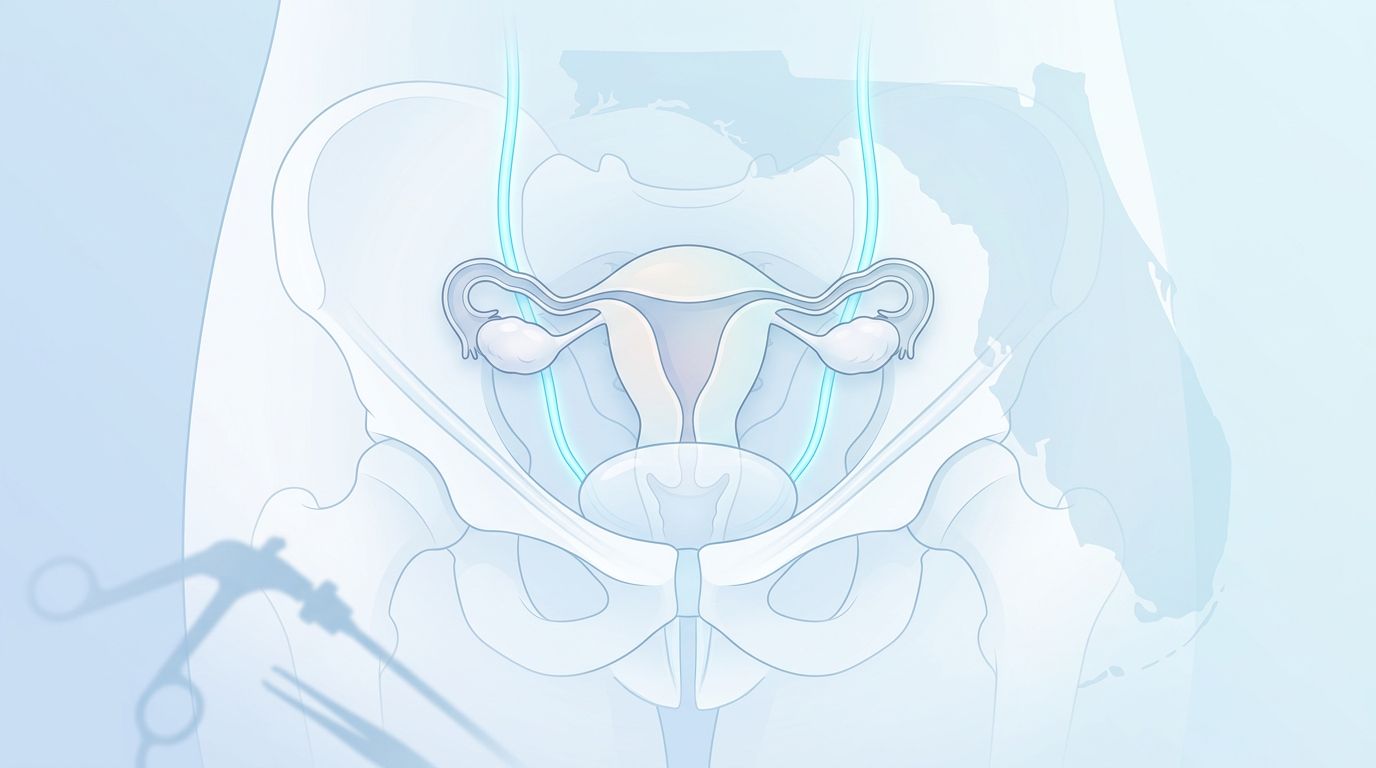
A ureter injury after hysterectomy can turn an expected recovery into a medical emergency. The pain may start late, the symptoms may look vague, and the cause may not be obvious at first.
In Florida, the key question is whether the injury was an accepted surgical risk or a preventable mistake. That answer usually depends on the records, the timing of symptoms, and who was responsible for each part of the care.
How a ureter injury happens during hysterectomy
The ureters are narrow tubes that carry urine from each kidney to the bladder. During a hysterectomy, those tubes sit close to the surgical field, which means they can be cut, clipped, tied off, kinked, burned, or damaged by loss of blood supply.
That risk exists in abdominal, vaginal, laparoscopic, and robotic hysterectomies. It can rise when the anatomy is harder to see, especially with endometriosis, prior pelvic surgery, adhesions, obesity, a large uterus, or unexpected bleeding.
A recent diagnosis and management of iatrogenic ureteral injury review explains that early diagnosis and repair matter because untreated injury can lead to serious complications. A separate systematic review of urological injury during hysterectomy also confirms that urinary tract injury is a known complication of pelvic surgery, with risk varying by procedure and patient factors.
The difference between a recognized risk and negligence usually comes down to what the surgeon saw, documented, and did in response to warning signs. If the ureter should have been identified, protected, or checked and that did not happen, the case may look very different under Florida law.
Warning signs that deserve attention after surgery
Some ureter injuries show up right away. Others stay hidden until urine backs up, leaks, or triggers infection. That delay is one reason these cases can be missed.
Common warning signs include side or back pain, lower abdominal pain, fever, nausea, vomiting, blood in the urine, reduced urine output, pelvic swelling, and leakage of urine from the vagina. Rising creatinine or abnormal kidney tests can also point to a problem.
Pain matters a lot. In a Norwegian retrospective study of ureteric injuries during hysterectomy, pain was the dominant symptom when the injury was not recognized during the operation. The study also found that many injuries were not identified in surgery, which matches what many patients describe, a recovery that feels wrong before anyone names the cause.
When pain is the main complaint after hysterectomy, a ureter injury should stay on the list until it is ruled out.
A missed injury can lead to hydronephrosis, infection, urinoma, kidney damage, or even kidney loss if the problem stays untreated. A population-based cohort study, Urologic Injury and Fistula After Hysterectomy for Benign Indications, found that immediate identification and repair lowers the chance of later fistula formation. That is why the timing of diagnosis can matter as much as the injury itself.
If you are still in the first days after surgery, small details can matter more than you think. Fever, drainage, repeat ER visits, and vague pain are often clues that the original plan is off track.
Who may be liable in Florida
A bad outcome does not automatically mean malpractice. Florida medical negligence claims usually turn on four questions, what the provider owed you, how the care fell short, whether that failure caused the injury, and what harm followed.
For a broader look at the legal framework, the Florida medical malpractice law guide is a helpful place to understand the rules that shape these claims. In many hysterectomy cases, more than one person or business may share fault.
The table below shows how liability can break down.
| Possible defendant | How liability may arise | What evidence may matter |
|---|---|---|
| Surgeon | Failed to identify, protect, or inspect the ureter, or missed a warning sign during surgery | Operative report, cystoscopy notes, expert review, consent forms |
| Assistant surgeon or resident | Made a direct operative error or failed to report a visible problem | Scrub notes, OR logs, witness accounts, charting |
| Anesthesiologist or CRNA | Missed unstable vital signs, poor monitoring, or delayed response to a complication | Anesthesia record, PACU notes, medication logs |
| Hospital or surgery center | Unsafe staffing, poor protocols, bad equipment, or weak discharge procedures | Policies, staffing records, incident reports, discharge instructions |
| Follow-up doctor or ER provider | Ignored symptoms, failed to order tests, or delayed referral after surgery | Visit notes, imaging orders, lab trends, portal messages |
That is why a case may involve both the doctor and the facility. If the surgery happened in an outpatient setting, the center itself may have exposure for staffing, training, or response failures. A closer look at Florida surgery center malpractice claims can help explain how those cases differ from a hospital claim.
Multiple defendants also matter because the source of harm is not always the cut itself. Sometimes the breach is the failure to diagnose, the failure to monitor, or the failure to act when the patient comes back in pain.
How Florida claims are built after a ureter injury
These cases are won or lost on records. The story in the chart often matters more than the first explanation a patient hears in the recovery room.
If you suspect a surgical mistake, a Florida surgical error proof checklist can help you think about the documents that need to be preserved. The goal is simple, build a timeline before evidence fades or gets edited.
The most useful records often include:
- The full operative report, not only the discharge summary.
- Any cystoscopy notes, ureter identification notes, or dye test results.
- The anesthesia record and recovery room chart.
- Lab work that shows kidney function changes.
- Imaging reports, including CT scans, ultrasounds, and renal studies.
- Nursing notes, follow-up visits, and portal messages.
- Discharge instructions and return precautions.
- Records from the ER or urgent care if symptoms started after discharge.
If the injury happened recently, the first week matters a lot. The Florida medical malpractice: what to do in the first 7 days guide explains why early records are worth saving before memories blur and charts get updated.
Florida also uses a presuit process in medical negligence cases. That means a claim usually needs early notice, expert review, and a clear showing that the care fell below the accepted standard. A lawyer will usually look for details such as whether the ureter was identified, whether bleeding made the anatomy unsafe to continue, whether the surgeon converted to a safer approach, and whether post-op complaints were taken seriously.
Small charting details can change the case. For example, if the record says the ureter was visualized and protected, the defense may call the injury unavoidable. If the chart is silent, or if later notes show pain and urinary problems that were brushed aside, the case may look much stronger.
What compensation can cover in a Florida ureter injury claim
A ureter injury can lead to more than one surgery. It can also bring hospital stays, drains, antibiotics, catheter use, and repeat visits that you never planned for.
Compensation in a Florida claim may include medical bills, future treatment, prescription costs, lost wages, reduced earning ability, travel for care, and help at home. In serious cases, it can also cover pain, emotional distress, and the loss of normal daily life.
The amount depends on the facts. A prompt repair may limit damage, while a delayed diagnosis can increase kidney injury, infection risk, and long-term care needs. That is one reason the medical chart matters so much. It shows how long the injury went untreated and what it cost you in health and function.
If the injury leads to a fistula, renal damage, or permanent urinary problems, future care may involve specialists, imaging, and additional procedures. Those costs should not be guessed at. They should be tied to the records and the prognosis.
Conclusion
A ureter injury after hysterectomy is rare, but it is serious when it happens. Sometimes it is a known surgical risk. Other times it points to a preventable failure in the operating room or in follow-up care.
In Florida, liability may rest with the surgeon, the assisting team, the facility, or the provider who missed the warning signs later. The answer depends on the records, the timeline, and whether the care met the standard the law requires.
When pain shows up after surgery and the story does not fit, the details in the chart become the difference between a complication and a claim.