
Florida SSDI Anxiety Disorders in 2026: Panic Attacks and Work Limits
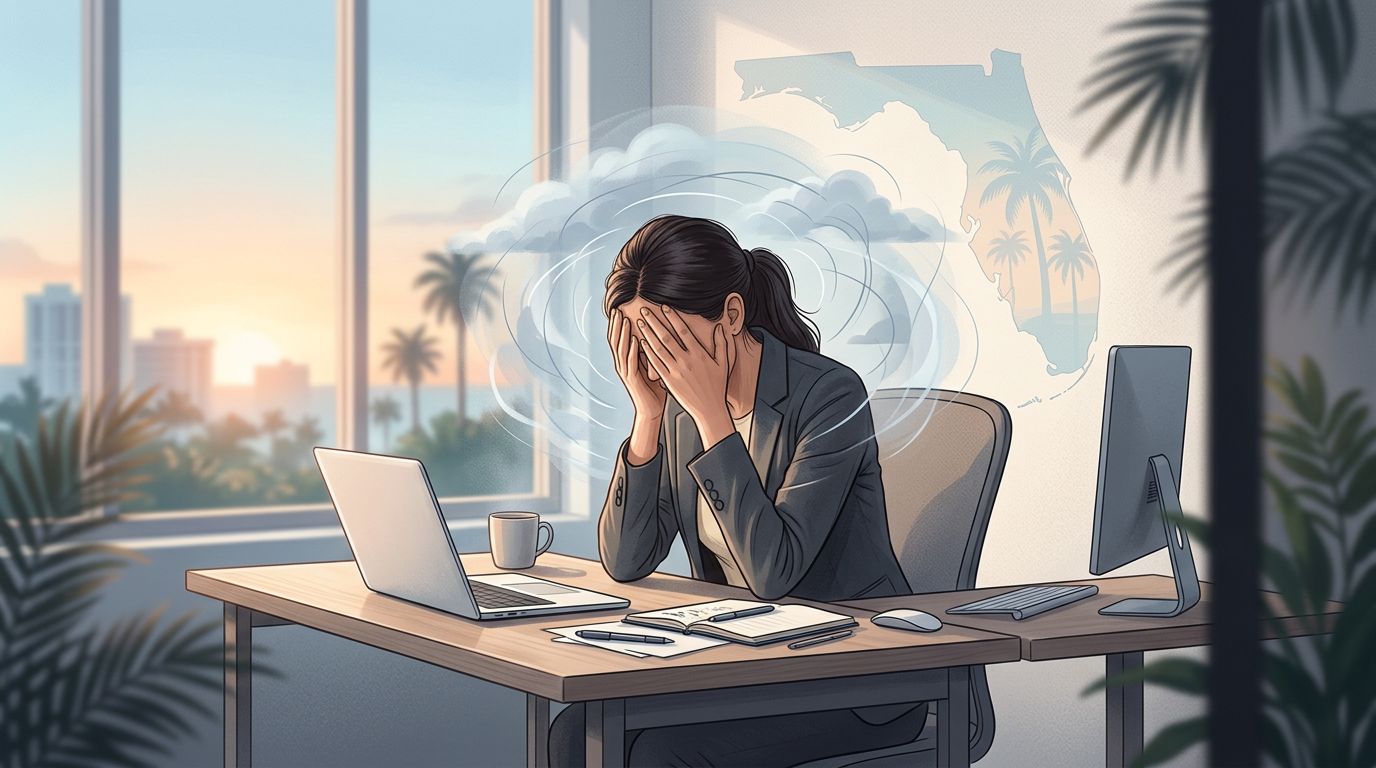
Panic attacks can turn a normal workday into a wall you can’t get past. For many people searching for Florida SSDI anxiety disorders, the real question is not whether anxiety is real, but whether it keeps them from working enough to qualify.
That’s where the Social Security rules matter. The Social Security Administration looks at your medical records, your daily limits, and your ability to stay on task in a job that pays enough to count as substantial work. If your anxiety keeps breaking down those parts of life, the claim may fit the SSDI standard.
How the SSA reviews anxiety disorders in 2026
The SSA still uses its mental health listings as the starting point. For anxiety claims, the main listing is SSA Listing 12.06 for anxiety and obsessive-compulsive disorders. It covers conditions like generalized anxiety disorder, panic disorder, agoraphobia, and OCD.
The listing does not ask only whether you have a diagnosis. It asks how the condition works on your life. That means the agency looks for a lasting problem, not a short rough patch. In most cases, the condition must last, or be expected to last, at least 12 months.
A simple way to look at the review is this:
| SSA focus | What it means in practice |
|---|---|
| Diagnosis | A doctor, therapist, or clinic documents an anxiety disorder |
| Duration | Symptoms last, or are expected to last, 12 months or more |
| Function | Anxiety limits work, home tasks, or social interaction |
| Listing 12.06 | Medical findings plus serious limits in daily function |
If you want a broader view of the basic rules, Florida disability benefit eligibility explains how SSDI works at the state level for people who qualify under federal law.
A diagnosis helps, but work limits decide the case.
That is the heart of an anxiety claim. A doctor’s note matters. So does the record of what happens when you try to keep a job.
Why panic attacks can count as work limits
Panic attacks are more than uncomfortable moments. They can shut down focus, breathing, speech, and confidence in a matter of seconds. Afterward, many people feel drained, shaky, and afraid the next attack will come at work.
That can affect several parts of a job at once. The SSA often cares about whether you can do these things on a steady basis:
- Stay on task: Panic can break concentration, slow your pace, or make you lose your place.
- Show up on time: Frequent attacks, poor sleep, or fear of leaving home can cause absences and lateness.
- Handle people: Some people cannot deal with customers, supervisors, or coworkers without a spike in symptoms.
- Adapt to change: New tasks, a noisy setting, or a schedule change can trigger a strong reaction.
- Work safely: Jobs with driving, machinery, heights, or constant movement can become risky.
A claim gets stronger when those limits show up in the medical record and in real life. A one-time bad day at work does not usually matter much. A repeated pattern does.
If you are thinking about the practical side of filing, the SSA and your medical records need to tell the same story. Panic attacks that keep sending you home, forcing breaks, or making you miss shifts are the kind of facts that matter.
What medical evidence helps a Florida SSDI anxiety claim
Medical proof is the backbone of these cases. The SSA wants records, not guesses. It also wants a picture that matches over time.
The most useful evidence often includes:
- Treatment notes from a psychiatrist, therapist, primary care doctor, or clinic
- Medication history showing what you tried, what changed, and what side effects came up
- Therapy records that describe panic attacks, avoidance, fear, or trouble leaving home
- Hospital or urgent care records if symptoms sent you in for fast help
- Work records showing absences, write-ups, reduced duties, or job loss
- A symptom log that tracks attacks, triggers, and how long recovery takes
Consistency matters a lot. If your forms say one thing, but your appointments say something else, the claim can stall. The SSA pays attention to what you told your doctors before you ever filed.
Your own description matters too. Be clear about what happens during a panic attack, how often it happens, and what you cannot do afterward. For example, saying “I get anxious” is too thin. Saying “I miss work twice a week because attacks leave me too shaky to drive or focus” gives the agency something real to measure.
For a clearer sense of the program standard, how to qualify for Social Security disability lays out the basic qualification rules that apply across SSDI claims.
The goal is not to sound dramatic. The goal is to be accurate. The SSA needs proof that anxiety affects your ability to work on a regular schedule, at a regular pace, and with normal reliability.
SSDI work credits and when SSI may matter
Even if your anxiety is severe, SSDI has one more layer. You also need enough work credits from jobs where you paid Social Security taxes. That part has nothing to do with the diagnosis itself.
If you worked steadily for years, you may already have enough credits. If your work history is shorter, broken up, or mostly recent, SSDI might not be the right fit. In that situation, SSI could become the better option because it is based more on financial need than work history.
The key point is that the medical standard and the work-credit standard are separate. You can have strong anxiety symptoms and still miss SSDI if your credit record is too thin. You can also have the right work history and still lose if the medical file does not show enough functional limits.
That is why many Florida claimants compare both programs early. It saves time and avoids bad assumptions. If you are not sure whether your work history fits SSDI, the right question is not only “Do I have anxiety?” It is also “Did I work enough, and did I pay into the system long enough?”
Building a stronger claim before filing or appealing
A strong anxiety claim rarely happens by accident. It usually comes from careful records and steady treatment. If you are preparing to file, or if a claim already got denied, focus on the facts that connect symptoms to work limits.
A few steps help:
- Stay in treatment whenever you can. Gaps in care can make the SSA think symptoms are less serious.
- Describe panic attacks clearly during appointments. Say what starts them, how long they last, and what you cannot do afterward.
- Track work problems such as missed shifts, leaving early, trouble with coworkers, or lost jobs.
- Save medication changes and side effects, since those details show how hard treatment has been to manage.
- File on time and keep appeal deadlines in view if the first decision is a denial.
If you want a clearer roadmap for the filing process, the firm’s step-by-step Social Security disability guide walks through the stages that matter most.
The strongest claims do one simple thing well. They show how anxiety keeps you from working in the real world. That means the record should answer everyday questions, like whether you can stay seated through a shift, talk to a supervisor, finish tasks, or keep going after a panic attack hits.
A good case file reads like a full picture, not a list of symptoms. It shows how the condition affects your schedule, your pace, your focus, and your ability to deal with pressure.
Conclusion
Panic attacks can support an SSDI claim in Florida when they cause real and lasting work limits. The SSA looks past the diagnosis and focuses on how anxiety affects attendance, concentration, social interaction, and the ability to adapt.
If your medical records, treatment history, and work problems all point in the same direction, the case becomes much easier to judge. For people dealing with Florida SSDI anxiety disorders, the most important proof is usually the same thing you live with every day, a record that shows how hard it is to keep working.