
Florida SSDI for Degenerative Disc Disease in 2026: MRI and Nerve Root Proof
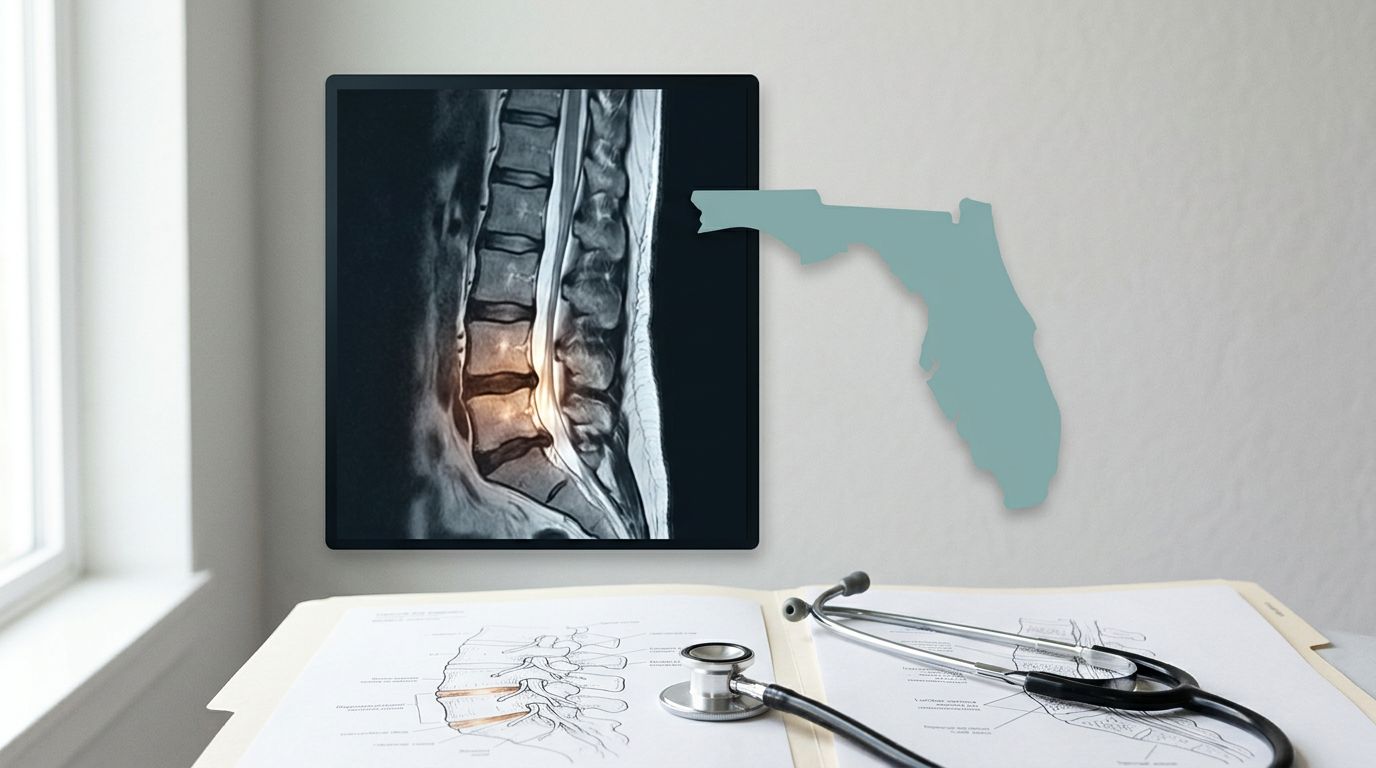
A diagnosis of degenerative disc disease does not win an SSDI claim by itself. Social Security wants proof that the spine problem blocks full-time work, and in many Florida claims that proof comes down to MRI findings, nerve root signs, and consistent doctor notes.
If your pain shoots into a leg or arm, or your back makes standing, sitting, or lifting unreliable, the file needs more than a diagnosis code. It needs a clear record of what the spine looks like and what it does to your body.
That is where many claims rise or fall. The evidence has to show both the damage and the limits it causes.
What Social Security looks for in a Florida SSDI degenerative disc disease claim
Florida follows the same federal SSDI rules used across the country. If you want benefits, you need enough work credits, a condition that has lasted or will last at least 12 months, and proof that you cannot do substantial gainful activity.
If you want the basic rule set in plain language, the page on how to qualify for disability in Florida through SSDI is a useful starting point. The key point is simple, though. A doctor’s diagnosis is only the start.
Social Security asks a harder question. Can you work full time, on a regular schedule, in a real job? If the answer is no, the file has to show why. For degenerative disc disease, that usually means showing pain, nerve symptoms, reduced motion, and limits on sitting, standing, walking, or lifting.
A lot of people assume that a bad back should be enough. It usually is not. The claim needs medical proof that lines up with daily function. That means scans, exams, treatment notes, and work limits should tell the same story.
If your records show only periodic back pain, the claim can look thin. If they show chronic pain, failed treatment, and the inability to stay on task or stay in one position, the case gets stronger. Social Security cares about the full picture, not a single test result.
Why MRI evidence matters, and what the scan can really prove
MRI results carry weight because they show the structure of the spine. They can reveal herniated discs, spinal stenosis, disc collapse, and nerve compression. CT scans and x-rays help too, but MRI is often the best look at soft tissue and nerve-related problems.
Still, a scan alone does not prove disability. A picture of a damaged disc is important, but the agency also wants to know what that damage does to you. Some people have serious findings on imaging and keep working. Others have smaller findings and still cannot function well. Social Security looks at how the scan matches the symptoms.
The strongest claims usually connect the imaging to day-to-day limits. A doctor note that says “MRI shows disc bulge” is not enough by itself. A note that says the same MRI also matches leg numbness, weakness, poor sitting tolerance, and reduced range of motion is much more useful.
Here is a quick way to see how the evidence fits together:
| Evidence | What it can show | Why it matters |
|---|---|---|
| MRI or CT scan | Disc herniation, stenosis, nerve compression | Gives objective proof of spine damage |
| Physical exam notes | Weakness, numbness, loss of reflexes, reduced motion | Links the scan to body function |
| Treatment records | Therapy, injections, medication, surgery talks | Shows the problem lasted and treatment did not fix it |
| Work limit notes | Trouble sitting, standing, walking, lifting, or bending | Connects the medical problem to work loss |
The takeaway is straightforward. MRI proof matters most when it matches real symptoms and exam findings. If the scan, the doctor notes, and your own reports all point in the same direction, the file is harder to ignore.
Nerve root proof is often the turning point
Nerve root compression is one of the most important issues in a degenerative disc disease claim. It happens when a disc, bone spur, or narrowing in the spine presses on a nerve that leaves the spinal cord. That pressure can cause pain that travels, numbness, weakness, or a loss of reflexes.
For many Florida SSDI claims, this is where the case moves from “painful” to medically supported. The spinal listings in the Florida SSA disability listings guide are often discussed here because the federal rules focus on specific spinal findings, including nerve root compression and lumbar spinal stenosis.
Those findings matter because they show more than wear and tear. They show that the spine is affecting nerve function. That can be the difference between a claim that gets denied and one that fits the listing language.
Common signs of nerve root problems include:
- Pain that shoots down a leg or into an arm
- Weakness in the foot, leg, hand, or arm
- Numbness or tingling
- Loss of reflexes
- Trouble walking, standing, or using the hands
- Pain that gets worse with normal movement
A claim gets stronger when the notes show the same problem over time. One visit with leg pain is useful. Repeated visits, plus imaging and exam findings, are much better. Social Security likes consistency. When every record points in the same direction, the file carries more weight.
A scan without symptoms is only part of the picture. Symptoms without objective findings are the other part. Social Security wants both.
Cervical and lumbar cases can look different. Lumbar nerve root problems often affect the lower back and legs. Cervical issues can affect the neck, shoulders, arms, and hands. Either way, the point is the same. The evidence has to show that the nerves are involved, not just that the spine hurts.
Meeting the listing is one path, but many claims win on functional limits
Not every claim fits the spinal listing. That does not mean the case is lost. Social Security also looks at residual functional capacity, or RFC. That is the agency’s way of asking what you can still do despite the condition.
RFC matters because many people with degenerative disc disease can do small tasks but cannot hold a regular job schedule. They may sit for a short time, then need to stand. They may lift a grocery bag but not a work load. They may push through one good day, then lose the next two.
The claim becomes stronger when the records show limits like these:
- Trouble sitting through a normal workday
- Standing or walking only for short periods
- Lifting limits that rule out even light jobs
- Needing to change positions often
- Missing work for flare-ups, appointments, or treatment
- Medication side effects that slow thinking or movement
This is where detailed doctor notes matter. If your records only say “back pain,” the file may not show enough. If the notes say you cannot sit for long, cannot bend repeatedly, and cannot lift more than a small amount, the disability picture is clearer.
RFC cases often turn on the real job world. A person may say, “I can still do some chores at home.” Social Security will still ask whether that person can sit at a desk for eight hours, keep pace, and miss work only rarely. Home life and full-time work are not the same thing.
The records that weaken a DDD claim
Some claims fail because the medical file is thin. Others fail because the file sends mixed signals. A strong diagnosis can still lose if the records do not show enough functional loss.
These are the mistakes that hurt many Florida SSDI degenerative disc disease claims:
- Filing with imaging results but no exam findings
- Skipping treatment for long periods without a clear reason
- Describing pain in general terms instead of work limits
- Waiting too long to update records after a new MRI
- Telling the doctor one thing and Social Security another
Treatment gaps are a common problem. If the file shows months with no visits, the reviewer may think the condition improved or was never serious. That is not always fair, but it happens. If cost, transportation, or side effects kept you from regular care, those facts should appear in the record.
Another problem is vague reporting. Saying “my back hurts all the time” is true, but it does not explain work loss. Saying “I can only sit 20 minutes, then I have to stand and stretch” gives the claim more shape. Social Security needs that kind of detail.
The same goes for doctor’s notes. A short note can help if it mentions weakness, numbness, reduced reflexes, or trouble walking. A note that repeats a diagnosis without function limits helps less. The file needs facts that show how the spine condition affects a full workday.
How to build a stronger claim before the first decision
A careful file gives you a better shot at approval, and it also helps if you need an appeal. The best records are not dramatic. They are consistent.
Start with the MRI and all related reports. Then make sure your treating doctor explains more than pain. Ask for notes that describe sitting, standing, walking, bending, lifting, sleep loss, and leg or arm symptoms. Those details matter more than broad labels.
The work record should also stay up to date. If your condition has forced you to cut hours, change jobs, or stop working, keep that timeline clear. Social Security looks at what you can do now, not what you could do years ago.
A strong file usually includes:
- Recent imaging and the written report.
- Office notes that show nerve symptoms and physical limits.
- Therapy, injection, or medication records that show ongoing treatment.
- A clear list of job tasks you can no longer do.
- Updated notes after flare-ups, new tests, or specialist visits.
The goal is to make the file read like one story. The story should say the spine is damaged, the nerves are affected, treatment has not restored function, and full-time work is no longer realistic.
What Florida applicants should expect after filing in 2026
Waiting is part of the process, and it can feel longer when you are in pain every day. In early 2026, Florida initial SSDI decisions are taking about seven to eight months in many cases, though some move faster and others take longer.
If you want a clearer sense of the timeline, the page on Florida disability claim timeline gives a helpful snapshot. The main point is to use the wait well.
Keep treatment going. Save every MRI, specialist note, and therapy record. Report new symptoms quickly. If the pain worsens, tell your doctor in plain terms. If you miss work or turn down work because of back or nerve pain, keep that in writing too.
A long wait can help a claim if the medical record keeps growing. It can hurt a claim if the file goes quiet. Consistent treatment gives the reviewer more to look at and more reason to trust your reports.
Conclusion
A Florida SSDI claim for degenerative disc disease turns on proof, not labels. MRI findings matter because they show what the spine looks like, and nerve root evidence matters because it shows how the condition affects function.
The strongest claims tell the same story across scans, exams, treatment notes, and work limits. When that story is clear, medical proof does the heavy lifting.
If your back or neck condition keeps you from full-time work, the record needs to show that in detail. That is the part of the case Social Security cannot ignore.