
Florida SSDI for Diabetes in 2026: Neuropathy and Vision Loss Proof
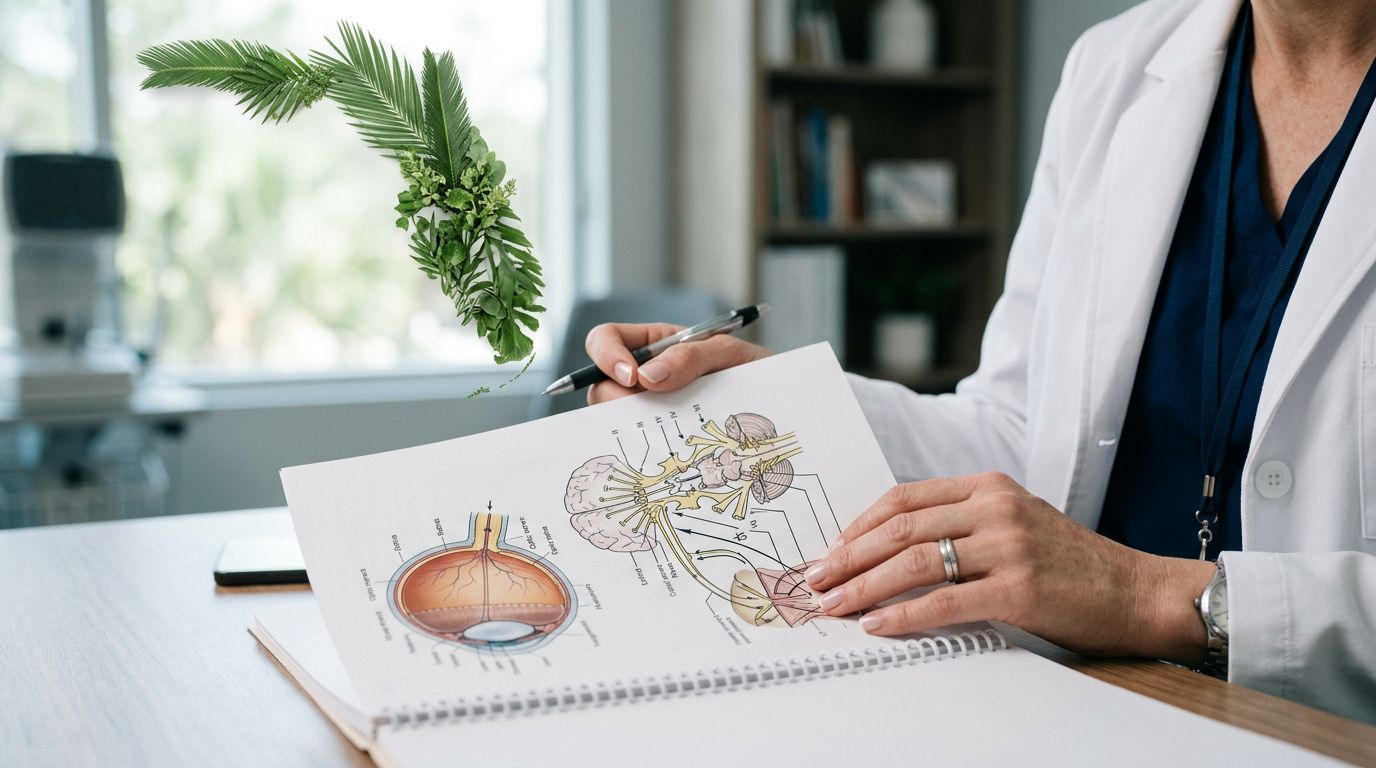
Diabetes by itself does not win a Social Security disability case. What usually changes the outcome is what diabetes has done to your body, especially neuropathy or vision loss.
In Florida, SSDI claims still follow federal SSA rules in 2026. So the real question is simple: can your medical records show that diabetes complications stop you from working full time?
The answer often depends on the quality of your proof. Eye exams, nerve testing, doctor notes, and work limits matter more than labels alone. Here’s how that proof works.
When diabetes qualifies for SSDI in Florida
The SSA does not award benefits because you have diabetes on a chart. It looks at whether your condition, and the complications tied to it, keep you from doing substantial work for at least 12 months.
That matters in 2026 because the SSA still uses earnings limits to measure work. For most applicants, monthly earnings above the current limit can hurt a claim. For people who meet the blindness rules, the limit is higher. In 2026, the SSA’s monthly SGA amounts are $1,690 for nonblind claimants and $2,830 for claimants who meet blindness rules.
So what does that mean for a Florida SSDI diabetes claim? It means the SSA wants proof that your condition does more than create discomfort. It has to limit your ability to stand, walk, see, use your hands, or stay on task in a work setting.
If you are wondering how diabetes fits into the disability rules, the firm’s page on qualifying for disability benefits with diabetes gives a useful starting point.
SSA looks at function first. Diagnosis comes second.
A strong claim often shows a chain of problems. Diabetes leads to nerve damage, eye damage, infections, falls, missed work, or reduced hand use. Then the record shows those problems have lasted long enough to matter.
Florida does not use a special state disability standard for SSDI. The same federal rules apply in Miami, Orlando, Tampa, Jacksonville, and everywhere else in the state. Still, local doctors, specialists, and hearing records can shape the strength of your file.
Neuropathy proof that carries weight
Diabetic neuropathy can make a case stronger fast, but only when the evidence is clear. The SSA wants to know how nerve damage affects daily movement and work tasks.
A claim becomes stronger when neuropathy makes it hard to walk without help, stand for long periods, climb stairs, or use your hands for fine tasks. That can include numbness, burning pain, weakness, foot drop, balance problems, or frequent falls.
The firm’s page on disability benefits for peripheral neuropathy explains how SSA treats this kind of nerve damage.
The best evidence usually comes from more than one source. A doctor’s exam note helps. So does a nerve conduction study or EMG. Physical therapy notes can help too, especially when they describe gait problems, poor grip, or trouble with coordination.
Here is what the SSA tends to find persuasive:
- Objective test results, such as nerve studies or other exams that confirm damage
- Consistent treatment notes, showing numbness, pain, weakness, or balance loss over time
- Functional limits, such as needing a cane, stopping after short walks, or dropping objects
- Medication side effects, when they add dizziness, sleepiness, or slow thinking
A simple statement that says “patient has neuropathy” is not enough by itself. The record needs to show what that neuropathy does to you.
A stronger note sounds more like this: the patient cannot stand more than a few minutes, cannot safely walk long distances, and has trouble using both hands. That kind of detail helps SSA connect the diagnosis to a real work problem.
For many Florida SSDI diabetes cases, neuropathy is the part that explains why regular jobs are no longer realistic. If your feet are numb, your hands are weak, and you fall often, even a desk job can become hard.
Vision loss proof SSA accepts
Eye damage from diabetes can be just as important as nerve damage. Diabetic retinopathy can blur central vision, narrow field of vision, and make reading, driving, or recognizing faces difficult.
The SSA looks closely at eye exams. It wants corrected vision measurements and field-of-vision testing from an eye doctor, usually an ophthalmologist. If your better eye sees 20/200 or worse with glasses or contacts, or if your field of vision is 20 degrees or less, you may meet the blindness standard under SSA rules.
If you want a deeper look at how eye damage fits disability claims, disability benefits for vision loss is the best place to start.
That blindness standard matters for two reasons. First, it can support approval. Second, the SSA uses a higher monthly earnings limit for people who meet blindness rules. In 2026, that limit is $2,830 a month.
Still, many claimants do not meet the strict blindness standard. That does not end the case. If vision loss combines with neuropathy, fatigue, or other diabetes complications, the SSA may still find that you cannot do full-time work.
The records that help most are:
- Ophthalmology reports that show acuity and field loss
- Retina treatment notes, injections, or surgery records
- Symptoms over time, such as glare, floaters, blurred vision, or trouble reading
- Work restrictions, such as no driving, no machinery, or trouble with screens and paperwork
Vision claims rise or fall on detail. If the notes only say “blurred vision,” that may not be enough. If the notes explain how much you can see, how far you can read, and how often the problem flares, the claim gets stronger.
What to file, and what weakens the claim
A Florida SSDI diabetes file should tell one clear story. The story should show the diagnosis, the complications, and the work limits that follow.
Use the table below as a quick guide to what SSA wants to see.
| Problem | Strongest proof | Why it matters |
|---|---|---|
| Neuropathy | Nerve studies, exam findings, gait notes, grip weakness | Shows walking, standing, and hand-use limits |
| Vision loss | Eye exams, field tests, retina records | Shows whether you meet blindness rules or other visual limits |
| Diabetes control problems | Hospital records, glucose logs, medication changes | Shows the condition is ongoing and hard to manage |
| Work impact | Doctor notes on lifting, standing, reading, or driving | Connects symptoms to actual job duties |
The takeaway is simple. SSA does not want a stack of papers. It wants proof that lines up.
Before filing, gather records that show the full picture:
- Eye doctor reports and testing results
- Neurology or podiatry notes about nerve damage
- Hospital or ER records for diabetic crises
- A list of medications and side effects
- Notes about falls, wounds, infections, or amputations
- Statements from doctors about work limits
The weakest claims often fail for the same reason. They rely on diagnosis alone. They also skip follow-up care, leave out specialist records, or ignore the way symptoms affect daily tasks.
Many Florida applicants also lose ground because they wait too long to appeal. If SSA denies the claim, the deadline matters. So does the hearing record. A well-prepared attorney can spot missing evidence early and help frame the case around function, not just medical labels.
Conclusion
A diabetes diagnosis can open the door, but neuropathy and vision loss proof usually decide whether the claim moves forward. SSA wants records that show how your body handles work, not just how your labs look.
In 2026, Florida SSDI diabetes claims still turn on the same core question: can you keep a full-time job despite the damage diabetes has caused? If the answer is no, the right medical evidence can make that clear.