
SSA-3288 Errors That Delay Social Security File Requests
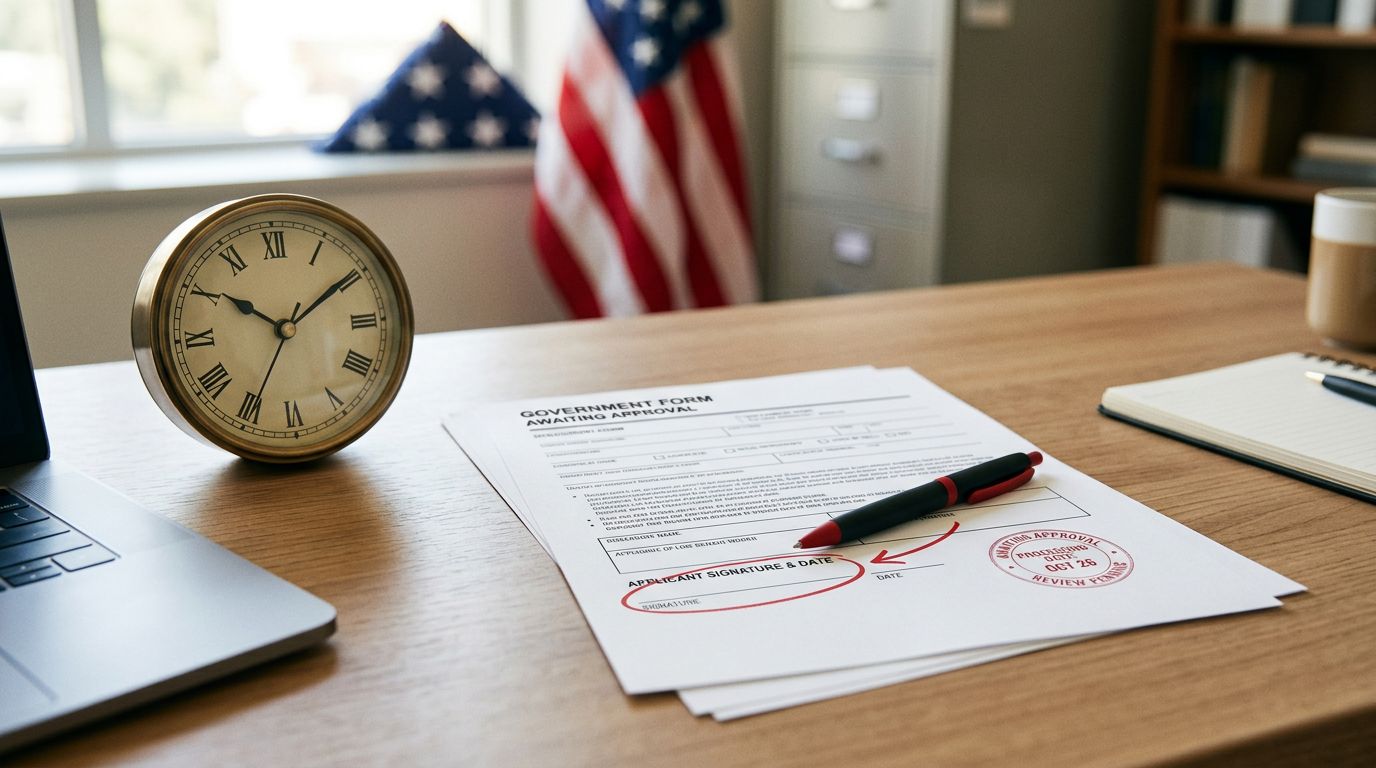
A Social Security file request can stall over one missing signature or a mismatched number. That is frustrating when you need records for a hearing, appeal, or benefits review.
The SSA-3288 looks simple, but privacy rules make accuracy matter. If the form does not match the person or the records requested, the file can sit untouched while SSA asks for clarification.
A careful request saves time and keeps your case moving. The sections below show where the most common delays start.
Why a small SSA-3288 mistake can stop the file
The SSA uses Form SSA-3288 to decide whether it can release information from a Social Security record. That means the agency is not just checking paperwork. It is checking identity, consent, and authority before it hands over anything sensitive.
When one field is missing, unreadable, or inconsistent, the request can get flagged for review. In practical terms, that can mean a returned form, a follow-up letter, or a request for a new authorization. Each one adds more time to a process that already feels slow.
The official SSA-3288 consent form and the SSA’s privacy request instructions explain that the agency needs clear authorization before it releases records. If you are asking for another person’s records, the consent rules matter even more.
Most SSA-3288 errors are ordinary, but SSA treats them seriously because the form controls privacy. A request that looks “close enough” to a person can still fail the agency’s review.
Common SSA-3288 errors that cause delays
Some delays come from simple omissions. Others come from form language that is too vague for the staff member reviewing it.
| Error | Why it slows the request | Better move |
|---|---|---|
| Missing signature or date | SSA may treat the form as incomplete | Sign and date every required line |
| Name, SSN, or date of birth do not match SSA records | Staff may not be able to match the request to the correct file | Use the exact legal name and identifying details |
| The request is too vague | SSA may not know what records to search for | Identify the file, record type, or date range |
| Wrong person signs | SSA may not release records without valid consent or legal authority | Use the claimant’s signature, or proper authority if someone else must sign |
| Handwriting is hard to read | Staff may need to stop and verify the information | Print clearly and use a fresh form if needed |
| Outdated or incomplete submission | The request may go to the wrong place or miss current instructions | Use the current SSA form and follow the agency’s filing directions |
One missing box can send the request back to the start.
A clean form often moves faster than a long explanation of why it was incomplete.
A vague request causes trouble more often than people expect. Saying “my Social Security file” may not tell SSA enough about which records you need. A claims file, a medical release, a benefit determination, or a representative payee record can all involve different handling.
Authorization problems also create slowdowns. If you are requesting records for a living adult, SSA may need that person’s written consent. If the request involves a minor or a legally incompetent adult, the agency may need proof of who has authority to sign. The SSA privacy request page lays out those rules in more detail.
How to complete the request correctly the first time
A careful submission does not need to be complicated. It just needs to be complete, readable, and specific.
- Use the current SSA form. Old copies can confuse the process, especially if the agency has updated its instructions. Start with the version posted by SSA.
- Match the claimant information exactly. Full legal name, Social Security number, and date of birth should match the record SSA already has. Small differences can slow down the search.
- Be specific about what you want. If you need a claims file, say so. If you need a hearing record, medical evidence, or another part of the file, name it clearly.
- Check the signature line before you send it. Many SSA-3288 errors come from a missing date, a blank signature line, or a person signing without authority. Read the form one last time before it leaves your hands.
- Keep a copy of the completed request. Save the form, note when you sent it, and keep any proof of delivery or office receipt. If SSA later says the request was incomplete, you will know exactly what was submitted.
If you are asking for records tied to your own disability claim, a complete request can save days or weeks. If you are asking for records tied to someone else’s file, the consent question becomes even more important.
For people already dealing with a denied claim or an appeal, that matters right away. A missing file can leave you without the documents you need to understand the denial or prepare the next step.
When a delayed file request becomes a legal problem
A stalled record request is more than an annoyance when it affects a Social Security disability case. If you are trying to review the evidence, prepare for a hearing, or respond to a denial, every delay can matter.
Missing records can hide the reason SSA denied the claim. They can also leave you without treatment notes, consultative exam reports, or vocational evidence that belongs in the file. Without those documents, it is harder to spot gaps, correct mistakes, or build a stronger record.
That is why many Florida claimants ask for help with Social Security disability claims and appeals when the paperwork starts to stall. A board-certified Florida disability attorney can review the request, identify what SSA still needs, and push for the right records before the delay starts affecting deadlines.
If the file request is only one piece of a bigger disability claim, the safest move is to treat it that way. A form problem can look minor on paper and still create real trouble in the case file.
Conclusion
The most common SSA-3288 errors are usually the easiest to avoid. Missing signatures, mismatched identity details, vague record requests, and unclear authority are the problems that slow things down most often.
If your request ties into a Social Security disability case, accuracy matters even more. A clean form keeps the file moving and gives you a better chance of getting the records you need without extra back-and-forth.