
SSA-455 Form Mistakes Florida Claimants Make in 2026
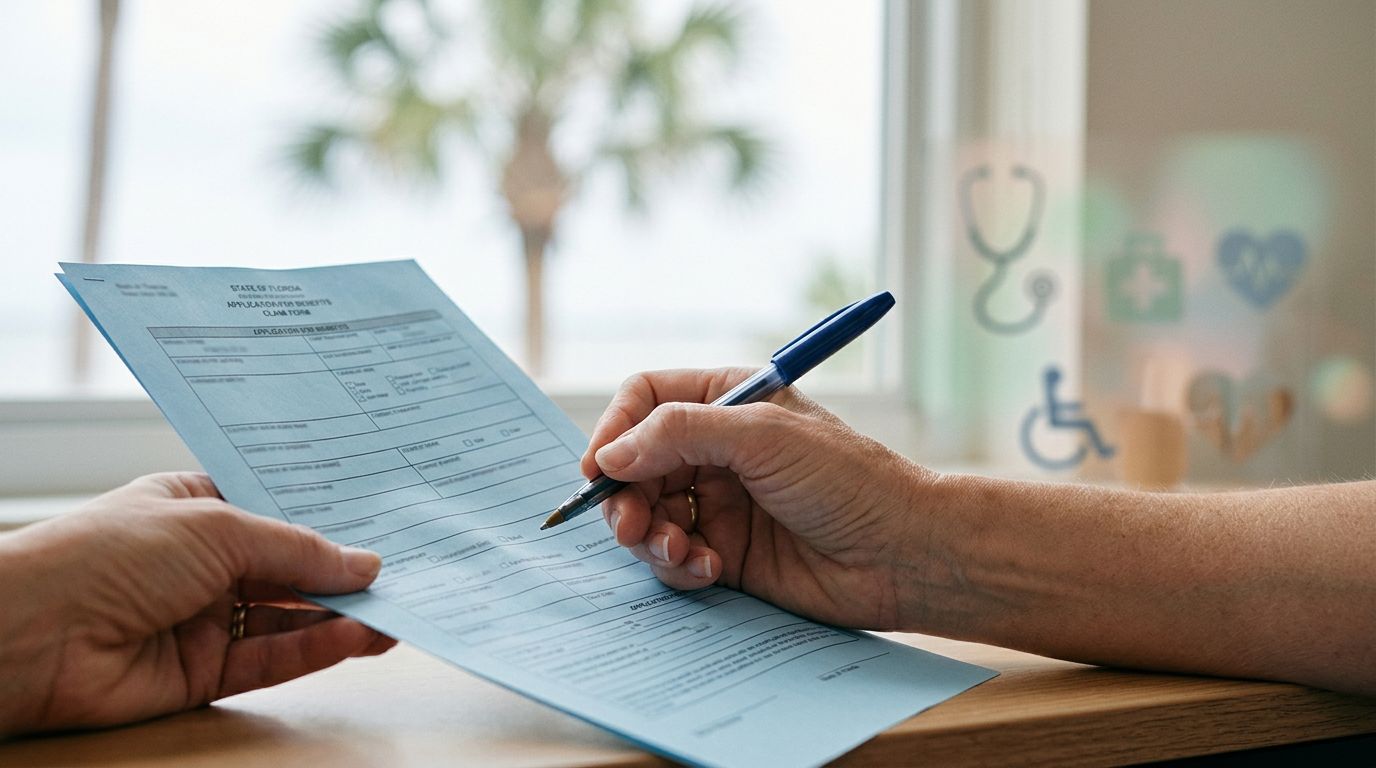
The SSA-455 Disability Update Report looks short, but it can change the next step in your disability case. One careless answer can send a claim into a full continuing disability review, and that is where delays start.
Florida disability recipients still run into the same problems in 2026, including vague treatment answers, work details left out, and boxes checked too quickly. Those mistakes can make an ordinary update look like a warning sign. The safest response starts with knowing which answers SSA watches most closely.
Why the SSA-455 matters so much
The SSA-455 is the short disability update form Social Security uses to decide whether your case can stay on the simple track. It asks about your health, medical care, work, hospitalization, and daily limits over the last 24 months. If your answers suggest improvement, work activity, or a gap in treatment that needs more explanation, SSA may decide it needs a full review instead.
That matters because the form is not just a routine notice. It is part of the continuing disability review process, and the wording you use can affect how quickly SSA moves. If you receive benefits in Florida, the form usually has a deadline, and missing it can put your benefits at risk.
The online version needs the same care. Once you submit it, the form is locked, so a rushed answer can become a permanent answer. Review every line before you send it back.
The form is short, but the answers can change the next move.
SSA-455 form mistakes that create red flags
Most SSA-455 form mistakes start with an answer that feels harmless. SSA may read that same answer very differently.
- Saying your condition is “better” too quickly. If your limits are still the same, “better” can suggest medical improvement that has not happened.
- Checking that a doctor told you to return to work. That box is a bright red flag, and it should only be marked if a provider actually said that.
- Leaving out part-time, seasonal, or contract work. Even limited work can matter, especially if the pay is near SSA’s current substantial gainful activity limit.
- Skipping treatment details. SSA wants names, dates, reasons for visits, and the providers you saw. “Doctor visit” is too vague.
- Using fuzzy daily activity language. Words like “often” or “sometimes” do not tell SSA what a bad day looks like.
- Forgetting school, vocational rehab, or job training. Training programs can matter as much as work, so leave them out only if they truly do not apply.
- Missing a signature or sending the form without a final review. A missing signature can slow everything down.
A second mistake is answering too little or too much. Thin answers can look suspicious, but extra unrelated detail can create confusion. The goal is a clean record, not a dramatic one.
How to answer each section without creating more problems
The safest answers are specific. Dates help. Names help. Numbers help. If you saw a doctor on March 15, 2026 for a medication refill, write that. If you only worked a few hours a week, explain when that work happened, what you did, and how much you earned.
Daily activity questions deserve the same care. SSA does not need a speech about how hard life feels. It needs a clear picture of what your worst day looks like. That means describing frequency, duration, and limits.
A quick comparison shows the difference.
| Weak answer | Better answer |
|---|---|
| “I feel better.” | “My symptoms are about the same, but I still miss 1 to 2 days a week because of flare-ups.” |
| “Doctor visit for checkup.” | “03/15/2026, medication refill for anxiety and sleep problems.” |
| “No work.” | “Part-time contract work, 2 days a week, 4 hours a day, January through March 2026.” |
| “I can’t do much.” | “On 5 of 7 mornings, it takes 20 minutes to dress, and I need to rest after cooking.” |
That level of detail gives SSA something real to review. It also keeps the form from sounding like an oversimplified yes-or-no summary.
If you changed providers, list the new office too. If you had surgery or hospitalization that had nothing to do with your disability, say so plainly. SSA should not have to guess whether that event shows improvement or just an unrelated medical issue. If work, treatment, or training changed, attach a short note before you submit the form, because the online version will not let you go back and rewrite it later.
What happens after SSA sees a red flag
A problem on the SSA-455 does not always mean your benefits stop. Sometimes it only means SSA wants more records. Other times, it moves your case into the longer SSA-454 review, which asks for more detail about treatment, function, and work history.
If the agency later sends a cessation or denial notice, the appeal clock starts right away. That is the point where paperwork turns into a deadline problem. The SSDI reconsideration appeal checklist can help you organize the next step, keep proof of filing, and gather updated records before time runs out.
It helps to move fast if SSA asks questions. Recent treatment notes, medication lists, pay records, and therapy visits can explain why your answers looked incomplete or why a work attempt did not last. When those records are already in hand, the response is easier to put together.
When a Florida disability attorney should review the form
Some people can fill out the SSA-455 on their own. Others should have a Florida disability attorney look it over first. That is especially true if you worked at all, saw several doctors, changed treatment because of cost, or had surgery, hospitalization, or rehab during the review period.
Legal review matters when the form does not match the medical file cleanly. A small mismatch, like a missed clinic visit or a vague work answer, can raise more questions than the rest of the form combined. If the case shifts from an update report into an appeal, the next filing may involve the SSA-561, and the SSA-561 appeal form mistakes page explains how that step can go wrong too.
For Florida claimants who see doctors in different cities or rely on more than one specialist, careful wording matters even more. The form should tell a clear story without forcing SSA to fill in blanks. If English is not your first language, that review can also help keep the answers exact.
Conclusion
The biggest SSA-455 problems are usually small ones. A box checked too fast, a work detail left out, or a vague treatment answer can make a short form look like a big change.
In 2026, the safest approach is still the simplest one: answer with facts, use dates, and make sure the form matches your records. That kind of care can keep a routine update from turning into a larger disability fight.