
SSA-632 Mistakes That Weaken Waiver Requests in 2026
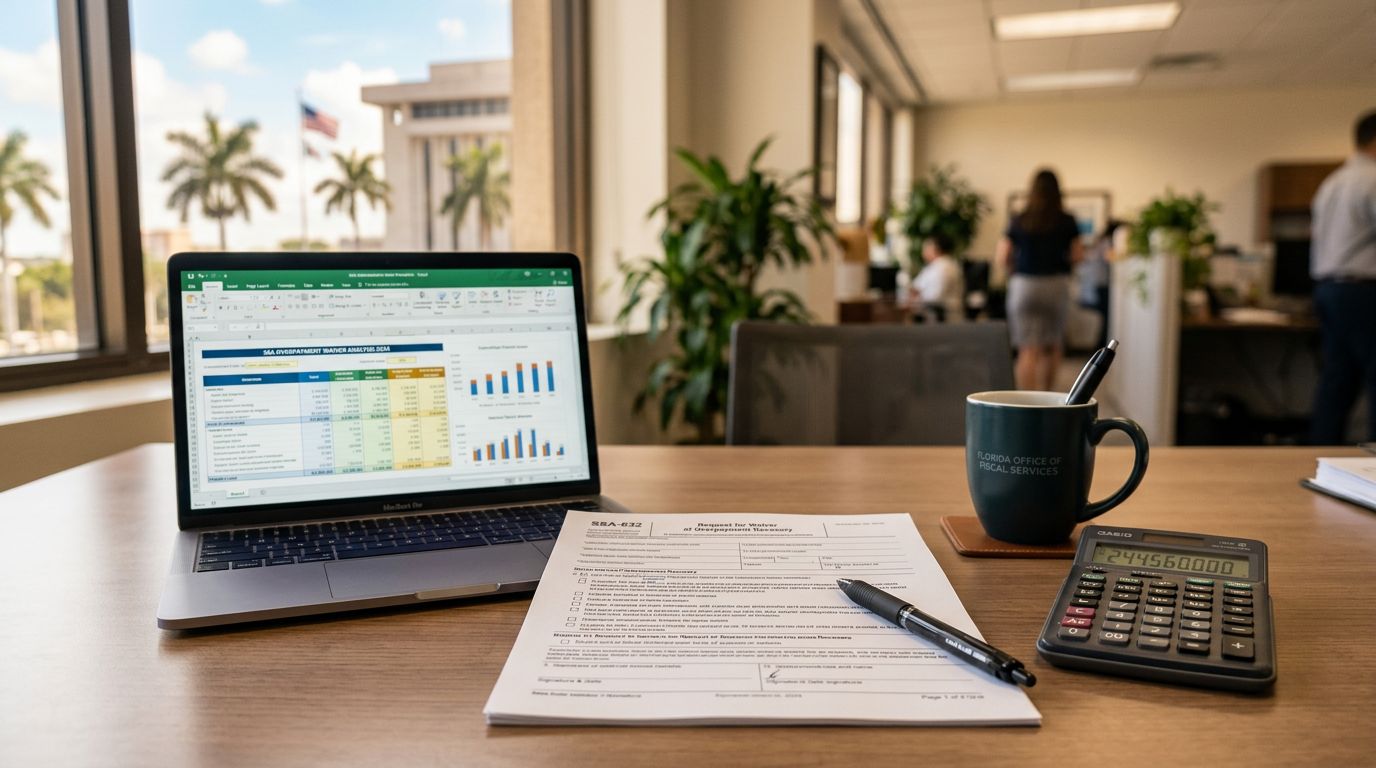
An SSA-632 waiver request can protect a monthly check, but a few weak answers can sink it fast. The Social Security Administration looks at more than your story. It looks for proof that you were not at fault and that repayment would create a real burden.
That is where many Florida claimants run into trouble. They fill out the form in a hurry, leave gaps, or give SSA a budget that does not match the records. If your notice is already in hand, the difference between a strong request and a weak one often comes down to details.
What SSA wants to see before it forgives an overpayment
The waiver process is supposed to answer two basic questions. First, were you at fault for the overpayment? Second, would repayment be unfair because you cannot afford it or because recovery would defeat the purpose of benefits?
SSA explains the process on its official overpayment waiver page, and it uses Form SSA-632-BK to collect the facts. That form is not just paperwork. It is the document SSA uses to decide whether your explanation holds up.
A waiver request can also sit beside an appeal. If the overpayment amount is wrong, the appeal questions the debt itself. The waiver asks SSA to forgive repayment even if the debt stands. For a Florida claimant, that difference matters. A waiver alone does not fix an incorrect overpayment notice, and an appeal alone does not address hardship.
A waiver request works best when it answers SSA’s two questions clearly: were you at fault, and can you afford repayment?
If the form sounds vague, SSA usually fills in the blanks with its own view of the record.
Filing mistakes that make a simple case look sloppy
A lot of requests fail before SSA even gets to the hard questions. The form may be complete enough to submit, but still weak enough to deny.
The most common filing mistakes are simple:
- Leaving blanks where SSA asks for dates, income, or expenses.
- Giving one-line answers that do not explain what happened.
- Sending the form without the documents that back up the numbers.
- Using the waiver form when you also need to challenge the overpayment notice itself.
That last mistake causes real damage. If SSA says you were overpaid but the amount is wrong, you still need to preserve the challenge to the debt. A waiver request does not erase that issue. A separate explanation, or a separate appeal when needed, keeps the case clean. A Florida claimant who wants to understand that split should review how SSDI overpayment waivers work before sending anything back.
Another weak point is tone. Some people write as if they are arguing with SSA. Others sound too casual and leave out the facts. Neither approach helps. The agency needs dates, benefit changes, work history, and any notices you sent earlier. If a change in income or household status triggered the overpayment, say exactly when you learned about it and what you reported.
Accuracy matters more than style. A polished paragraph with missing facts is still a weak waiver request.
Financial proof errors that undercut a hardship claim
SSA will not grant a waiver just because repayment feels unfair. You have to show numbers. That means income, monthly bills, assets, and any medical costs that leave too little for basic living expenses.
The form asks for a picture of your finances, not a guess. If you list rent, food, and utilities without proof, the claim is thin. If you leave out a bank account, a second source of income, or a regular expense, SSA may think your budget is incomplete. That can hurt your credibility even if you were honest about the overpayment itself.
These documents usually help:
- Recent pay stubs or benefit statements.
- Bank statements.
- Lease, mortgage, or utility bills.
- Medical bills and prescription costs.
- Proof of other fixed monthly expenses.
The goal is to show that repayment would leave you short on ordinary living costs. SSA looks for whether recovery would defeat the purpose of benefits. If your numbers do not line up, the agency may decide you have room to repay and deny the waiver.
A common mistake is to overstate hardship without support. Another is to understate assets because the claimant thinks small savings do not matter. They do. SSA compares the whole picture. A request that says “I cannot pay” but leaves out the records looks unfinished.
If the notice is confusing, the official SSA instructions can help you match the form to the agency’s own questions. The overpayment notice itself also matters, so keep every letter and compare it with the overpayment claim update guidance while you assemble your response.
Fault problems SSA spots fast
Fault is where many waiver requests fall apart. If SSA believes you caused the overpayment, it may stop the waiver analysis there.
Common fault problems include failing to report work, income, marriage, or address changes. Giving wrong numbers can also cause trouble, even when the mistake was careless instead of intentional. Duplicate checks, unreturned payments, and past overpayment problems can make the record worse.
The hard part is that fault is not always obvious to the claimant. You may think you reported a change, but SSA has no record of it. You may think a family member handled the paperwork, but SSA still asks who had the duty to report. You may think the agency already knew about your work, but the paper trail says otherwise.
That is why consistency matters. Your waiver form, your phone calls, your notice history, and your supporting records should tell the same story. If one document says you started working in March and another says April, SSA will notice. If you say you never got the reporting notice, but the file shows it was mailed to the correct address, the request gets weaker.
A strong waiver does not pretend the facts are perfect. It explains them in order. For example, if SSA used employer information that arrived late, say so. If you told the agency about the change but it was not processed, show the proof. The form should make your position easy to follow.
What to do when the waiver looks weak
If your SSA-632 request is already flawed, the next step depends on what went wrong. Sometimes the fix is more documents. Sometimes it is a separate challenge to the overpayment amount. In other cases, a hearing request is the next move after a denial.
A useful order of attack looks like this:
- Read the denial or overpayment notice line by line.
- Check whether SSA got the facts right.
- Gather records that match your income, expenses, and reporting history.
- Decide whether you also need to dispute the amount or the fault finding.
- Respond before collection keeps moving.
A weak waiver request can still improve if the record gets stronger before the file is closed. That is why Florida claimants should keep copies of every notice, every medical bill, and every letter they send to SSA. Paper matters in these cases.
A waiver request also becomes easier to defend when it is part of a full plan. That may include an appeal, a repayment proposal, or legal help with the response. If you need a better view of the process before the deadline gets tighter, this disability overpayment waiver guide is a practical starting point.
Conclusion
SSA-632 requests usually fail for plain reasons. The form is incomplete, the financial proof is weak, or the fault story does not match the record. Those mistakes are avoidable, but only if the response is built around facts, not frustration.
A strong waiver request gives SSA what it wants to see, clear answers, clean numbers, and documents that support both. If you are dealing with an overpayment notice in Florida, the safest path is to correct the record before the paper trail hardens around a denial.