
SSA-821 Mistakes That Trigger SSDI Overpayments in 2026
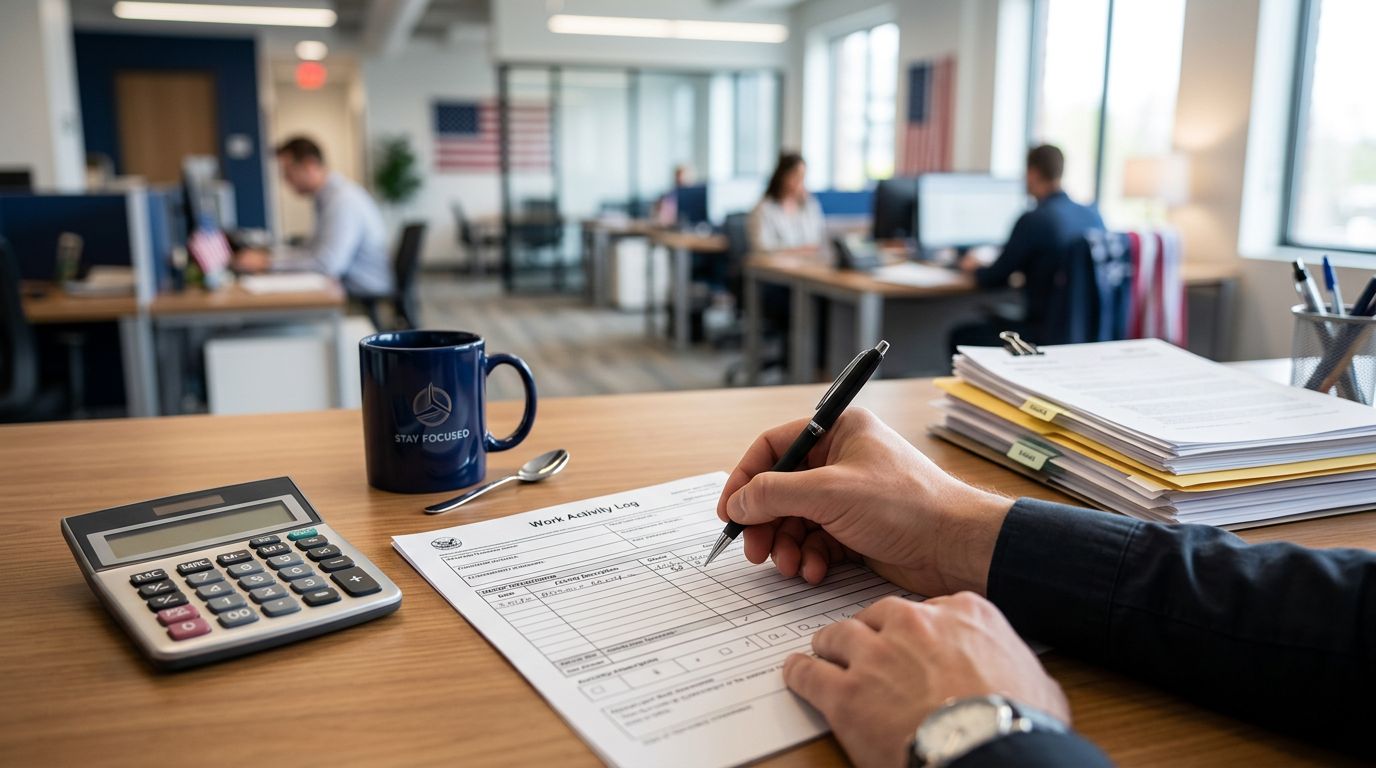
One wrong line on SSA-821 can turn a routine work report into a repayment fight. In 2026, SSA still matches what you wrote against wage records, employer reports, and later updates.
If the numbers do not line up, the agency may think you were paid too much, even when the mistake was innocent. Florida claimants often find out only after benefits are reduced or a letter arrives asking for money back.
The safest move is to treat every entry on the form like evidence. The sections below show where problems start and how to keep a small reporting error from becoming an SSDI overpayment issue.
What SSA-821 really tells SSA about your work
SSA-821 is the Work Activity Report for people who worked for an employer and got wages. SSA uses it to see whether your work after your disability start date counts as substantial gainful activity, or SGA.
That means the form is more than a work history sheet. It helps SSA decide whether your earnings, hours, and job duties fit within the rules for disability benefits.
The agency looks at your job dates, pay, hours, employer details, and any help you received at work. If you had a lighter schedule, extra breaks, or help from coworkers, that matters too.
If you were self-employed, SSA uses a different form. Picking the wrong one can slow the review and make the record harder to fix later.
| Form | Who files it | What SSA checks |
|---|---|---|
| SSA-821 | Employees who got wages | Job dates, hours, pay, employer details, and special conditions |
| SSA-820 | Self-employed workers | Business activity, income, and time spent working |
The form is simple on paper, but the numbers can affect your benefits in a big way. A clean report gives SSA a better picture of your work and lowers the chance of a later dispute.
The mistakes that most often lead to overpayment trouble
Most SSA-821 overpayment mistakes start with missing facts, not bad intent. A short job, a side shift, or a few weeks of part-time work can still matter if SSA later reviews your file.
Here are the errors that cause the most trouble:
- Leaving out a job: Even a brief job can matter if it happened after your disability onset date.
- Using memory instead of records: Pay stubs and employer records are better than a guess.
- Getting dates wrong: A start date or end date that is off by a few weeks can change SSA’s view of your work.
- Leaving out hours or pay: SSA needs the full picture, not just the job title.
- Forgetting special help at work: Extra breaks, lighter duties, or help from others can change how SSA reads the job.
- Mixing up gross pay and net pay: SSA usually cares about gross wages, so this mistake can skew the numbers.
- Writing the wrong employer details: A wrong address or supervisor name can make the record harder to verify.
- Using the wrong form: SSA-821 is for wages from an employer. Self-employment belongs on SSA-820.
SSA pays close attention to mismatched dates and wages because those details change the benefit math.
A small omission can look harmless to you, but SSA may see it as proof that your work was more substantial than reported. That is how a work form turns into an overpayment problem.
Why a small reporting error can turn into a repayment notice
SSA does not rely only on what you wrote. It can also compare your form with payroll data, employer reports, and later wage updates.
That creates a problem when the form leaves out income, dates, or hours. If SSA decides you worked more than allowed, it may say your benefits should have stopped or been reduced earlier.
The timing matters too. A job may start in one month, but wages may show up later in SSA’s records. If your form missed that job or used the wrong date, the agency may go back and recalculate your payments.
That is how people end up with a notice saying they were overpaid. The letter may arrive months after the work happened, which makes the mistake feel even more confusing.
In 2026, the rules for work and earnings still matter just as much as they always have. SSA updates earnings thresholds each year, so a safe earnings level one year may not be safe the next.
If the notice is already in your hand, the next step may be a waiver request. You can read more about how to request an SSA overpayment waiver if repayment would cause hardship or the overpayment was not your fault.
What to do as soon as you spot a problem
A mistake on SSA-821 does not always mean you owe the full amount. It does mean you should move fast and get your records in order.
Start with the paper trail. Pay stubs, W-2s, work schedules, and employer letters can help you check each entry on the form.
Then compare the report line by line. Look at job dates, hours, wages, and any special help you received at work. If something is wrong, make a written correction and keep a copy for yourself.
Here is a practical order to follow:
- Gather your pay stubs, W-2s, and any letters from your employer.
- Match each job to the dates you actually worked.
- Check whether the wages listed are gross wages, not take-home pay.
- Note any accommodations, lighter duties, or extra help.
- Respond to SSA before the deadline, even if you need more time to gather proof.
Do not wait for the problem to sort itself out. SSA deadlines move quickly, and silence can make the issue harder to fix.
If the form, the notice, or your wage history is messy, Florida Social Security disability attorneys can review the record and help you decide what to send next.
When a Florida disability lawyer makes sense
Some SSA-821 problems stay small. Others touch benefits, deadlines, and repayment rights all at once.
Legal help makes more sense when the overpayment is large, your benefits are at risk, or SSA says the error involved fault, fraud, or misrepresentation. It also helps when you need to explain why the work was limited, temporary, or heavily supported.
A lawyer can also spot when the issue is not just the form itself. Sometimes the problem is a missing wage record, a notice sent to the wrong address, or a deadline that already started running.
For more complex cases, a board-certified Florida disability attorney can help sort out the work report, the overpayment letter, and the next filing. That matters even more when the case may need a hearing or federal review.
If you live in Florida and your SSDI case involves back-and-forth with SSA, the right help can keep a repairable mistake from becoming a bigger repayment dispute.
Conclusion
A bad SSA-821 usually starts with one missing detail, one wrong date, or one guess that should have been checked. That small slip can change how SSA reads your work and can lead to an overpayment notice later.
The best protection is a careful paper trail. Use pay stubs, employer records, and exact dates, then answer every question with the full picture.
When the form and the records do not match, speed matters. The sooner you correct the mistake, the better your chance of keeping a work report from turning into a repayment fight.