
Missing Service Records in VA Claims: Other Proof That Works in 2026
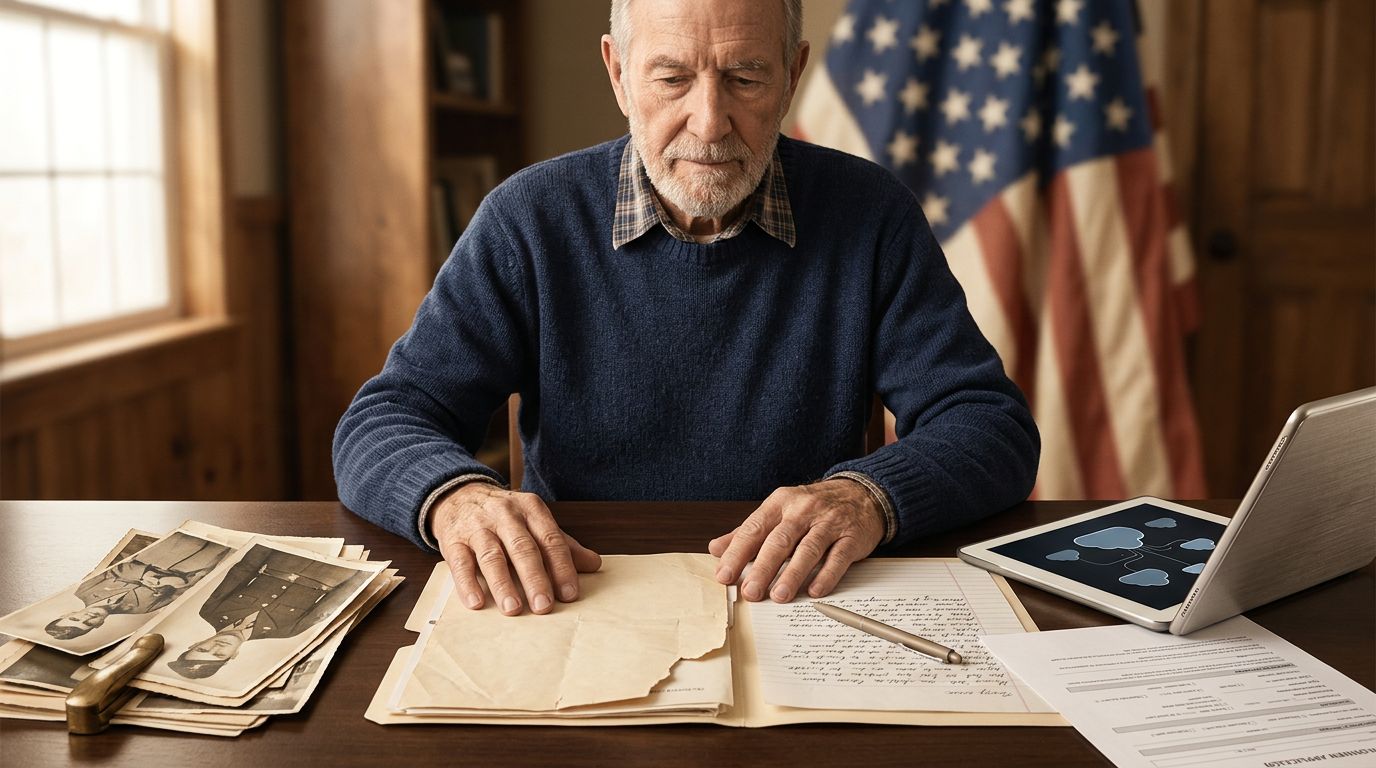
A missing file does not have to sink a VA claim. In 2026, veterans can still prove service with statements, civilian records, old photos, and other documents when official records are gone or incomplete.
That matters because records get lost, split across agencies, or never make it into the claim file at all. The key is knowing what evidence fills the gap and how to present it.
Why a Missing File Does Not End the Claim
The VA does not require perfect paperwork before it can review a claim. When service records are missing, the agency can still decide the case using the rest of the evidence.
That said, the claim still needs a clear picture. The VA looks for three things in most service-connected claims, a current condition, an event or injury in service, and a link between the two. If you are still sorting out what the VA wants to see, understanding service-connected disabilities for veterans can help you frame the claim the right way.
The absence of records is not the same as the absence of proof. A good file can still tell the story through different sources, and those sources often carry more weight than people expect. The trick is to build a record that lines up on dates, places, symptoms, and treatment.
Do not wait for perfect records before filing. A claim can move forward while the missing pieces are being rebuilt.
Other Proof That Can Fill the Gap
Some evidence matters more when it backs up a specific fact, such as where you served, when symptoms started, or how an injury affected daily life. A few strong documents can do the work of a lost file.
| Evidence type | What it can show | Why it helps |
|---|---|---|
| Buddy statements | What happened, when it happened, and who saw it | Helps fill gaps when official records are gone |
| Personal letters and photos | Presence at a place, injuries, or symptoms after an event | Gives time-stamped detail that can back up a claim |
| Civilian medical records | Treatment after service, diagnosis, or a long symptom history | Connects current problems to what happened in service |
| Work, school, and insurance records | Missed work, physical limits, or treatment dates | Helps show the effect of the condition over time |
| Unit reports, orders, or pay records | Assignment, location, or duty status | Helps place you with a unit during the period in question |
Buddy statements are often the first place to start. A statement from someone who served with you, or knew you right after service, can explain what they saw and when they saw it. A short, vague note carries less weight than a statement with names, dates, and details.
Civilian records matter too. If you saw a private doctor soon after discharge, that chart may show the first clear signs of the condition. Old urgent care notes, pharmacy records, or imaging reports can help show the condition existed long before the VA file was built.
Photos and letters can be useful when they are dated and tied to a specific event. A picture of a brace, a bandage, or a field setting may not prove the whole claim on its own, but it can support the timeline.
Work and school records can also help. If you missed class, lost a job, or had restrictions that match your symptoms, those records may show how the condition affected your life outside the military.
The strongest files use more than one kind of proof. When several sources point to the same facts, the claim becomes much harder to dismiss.
How to Rebuild the Record and Keep the Claim Moving
If your file is thin, keep the claim moving while you try to recover the missing pieces. That approach matters because time can work against you if you wait for one perfect document.
If the process feels crowded, a guide to navigating the VA benefits system can help you stay organized while you gather records and submit the claim.
Start with the records request itself. The National Archives and the National Personnel Records Center can often help locate service documents, and you can request them with SF-180 or eVetRecs. Send as much identifying information as you can, including:
- Your full name used during service.
- Your Social Security number or service number.
- Your branch of service.
- Your dates of service.
- Your date and place of birth.
- Your last unit or discharge location, if you know it.
If records were lost or destroyed, ask whether the file can be reconstructed. For older medical records, NA Form 13055 may help rebuild the medical side of the history.
You should also check whether the VA already has part of the record. Sometimes one agency has a document another office does not. A county or state veterans service officer can also help track down records and sort out what needs to go where. In Florida, local veterans offices often save a lot of time because they know the forms, the offices, and the common delays.
Keep copies of everything you send. Then follow up if the request stalls. A claim file gets stronger when every request, response, and supporting document stays in one place.
Mistakes That Slow Down a Missing-Records Case
A missing file already creates a challenge. A few avoidable mistakes can make it harder.
- Waiting for perfect records slows the whole case. File the claim and keep building the proof at the same time.
- Using weak buddy statements creates problems. A statement should explain what the person saw, when it happened, and how they know you.
- Leaving out dates or units makes the evidence harder to use. Even small details help the VA match statements to service periods.
- Skipping follow-up can stall a request for months. Keep track of what was sent and when.
If you are requesting records for a deceased veteran, you can still ask for them as next of kin. You will usually need proof of death, such as a death certificate or obituary, along with the request.
When records are missing, the rating decision still depends on evidence. If you want to see how that evidence affects the final outcome, how VA disability ratings and compensation work explains why the right proof matters so much.
Conclusion
Missing service records can feel like a dead end, but they are usually a paperwork problem, not a proof problem. The VA can still review the claim when you bring in statements, civilian records, photos, and other documents that fill the gaps.
File the claim, request the records, and keep every piece of proof in one place. The strongest cases often come from records that were rebuilt carefully, one document at a time.
When the official file is thin, other proof can still tell the story.