
VA Carpal Tunnel Ratings in 2026: Median Nerve Evidence That Helps
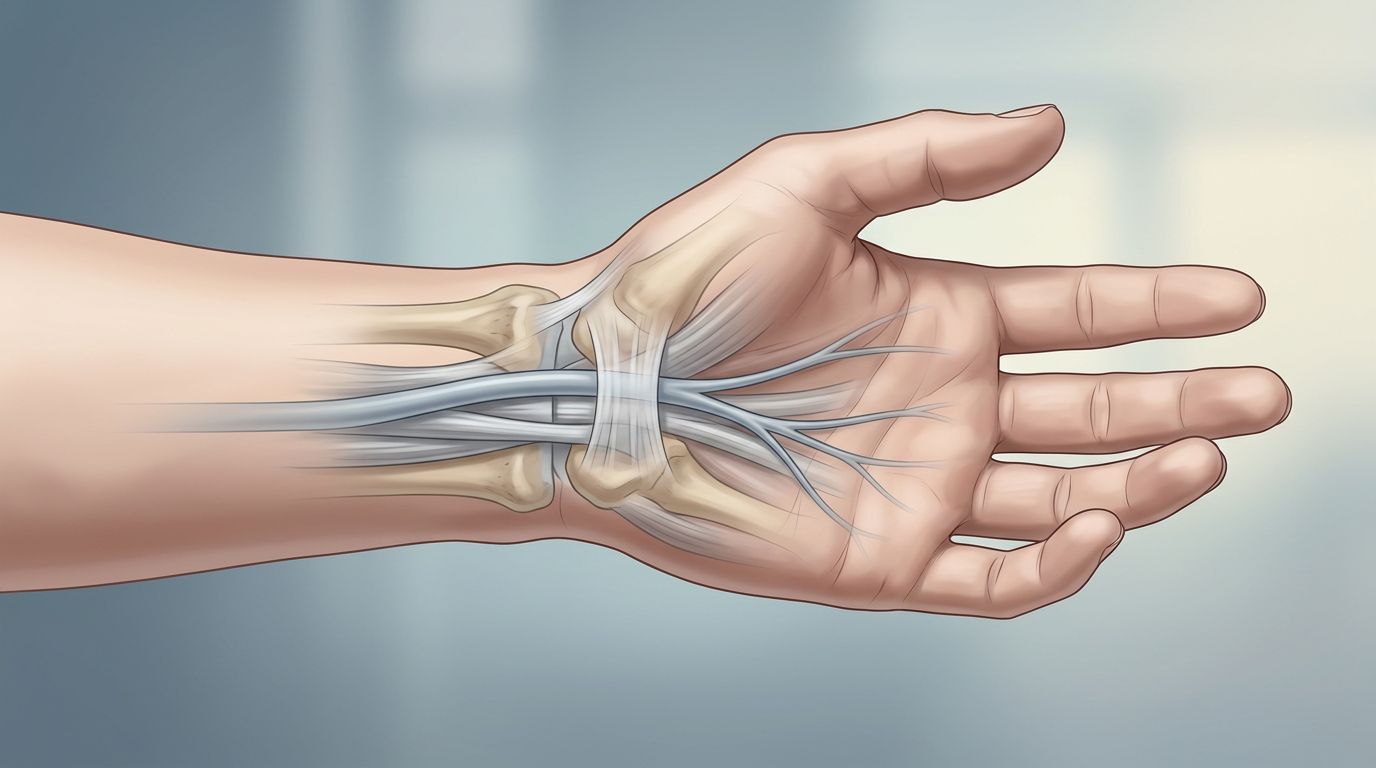
Carpal tunnel claims can look simple on paper, but the rating often turns on one question: how much is the median nerve limiting your hand? In 2026, the VA still rates this condition under Diagnostic Code 8515, so the strongest files focus on function, not just the diagnosis.
If your record shows numbness, weakness, and daily limits, the rating can move. If it only says “carpal tunnel,” the number may stay low. That gap is where many claims rise or fall.
How the VA rates carpal tunnel as median nerve damage
As of May 2026, the VA still uses 38 CFR 4.124a, Diagnostic Code 8515 for carpal tunnel syndrome. The schedule treats CTS as paralysis of the median nerve, and the rating depends on severity plus whether the hand is dominant or not.
Mild symptoms usually get 10 percent. Moderate and severe cases move higher, and complete paralysis sits at the top of the schedule. If both hands are service-connected, the VA rates each one and then applies the bilateral factor.
| Level of median nerve paralysis | Major hand | Minor hand | Common signs |
|---|---|---|---|
| Mild incomplete | 10% | 10% | Numbness, tingling, pain, mostly normal use |
| Moderate incomplete | 30% | 20% | Weak grip, dropping objects, clear use limits |
| Severe incomplete | 50% | 40% | Major loss of strength or control, poor hand function |
| Complete paralysis | 70% | 60% | Ape hand, no thumb opposition, muscle atrophy, can’t make a fist |
The VA gives more weight to hand function than to a diagnosis alone.
The main point is simple. A higher VA carpal tunnel rating needs proof that the median nerve is causing real loss of use, not just discomfort.
Median nerve evidence that can raise the rating
Strong evidence shows more than pain. It shows how the median nerve changes what your hand can do every day.
An EMG/NCS test, which means electromyography and nerve conduction studies, can help. These studies may show slowed conduction or entrapment. That supports the diagnosis, but the rating still depends on how the condition affects function.
The most useful records often include:
- Nerve studies that show median nerve slowing or compression.
- Exam findings like weak grip, poor thumb opposition, numb fingers, or muscle wasting.
- Treatment notes that keep showing symptoms after splints, medication, injections, or surgery.
- Statements about dropping tools, trouble buttoning shirts, opening jars, writing, or driving.
- A medical opinion that links the condition to service or to another service-connected disability.
A clean diagnosis helps, but it does not control the rating by itself. The VA wants to see a pattern. For example, if a private doctor notes reduced sensation in the thumb and index finger, and your VA records show repeated grip loss, that is stronger than a single complaint of wrist pain.
Veterans who want a broader look at claims can also review getting VA benefits for carpal tunnel. It helps show how this condition fits into the rest of a disability file.
What a strong C&P exam record looks like
The Compensation and Pension exam often drives the result. The examiner checks grip strength, sensation, pain with motion, and how your hands work during flare-ups. They may also ask which hand is dominant and which hand fails first.
That part matters more than people expect. If your dominant hand is the one that goes numb, the impact is often greater. A right-handed veteran who cannot hold a wrench, sign forms, or grip a steering wheel has a different case than someone with mild nighttime tingling.
Tell the examiner what happens on a bad day. Use plain examples. Maybe you drop a coffee mug. Maybe you need two hands for a water bottle. Maybe your fingers go numb after ten minutes of typing, or you wake up twice a night with burning pain. Those details help show functional loss.
Consistency also matters. Your exam should match your clinic notes and your own written statement. If one record says the hand is fine and another says you drop objects daily, the VA may lean toward the weaker description. A short symptom log can help keep your account steady.
Do not minimize the bad days. The rating system looks at how the condition affects ordinary tasks, so a full picture helps more than a polished one.
Mistakes that keep VA carpal tunnel ratings low
A lot of CTS claims stall because the file is too thin. The first mistake is treating carpal tunnel as a pain-only claim. Pain matters, but the schedule focuses on nerve loss, weakness, and hand use.
Another common problem is forgetting to identify the dominant hand. The VA rates the major hand higher, so that detail can change the outcome. The same is true when both hands are involved, because the bilateral factor can help raise the combined result.
These problems come up often:
- Missing nerve study results or specialist notes.
- Inconsistent descriptions of symptoms in different records.
- No clear link between the condition and service.
- Little detail about work limits or home tasks.
- Ignoring symptoms that stayed after surgery.
If you had a carpal tunnel release and still have numbness, weakness, or pain, say so clearly. Post-surgery symptoms can support a higher rating when the file shows lasting impairment.
Better evidence usually works better than louder language. The VA does not need a dramatic story. It needs a clean record that matches the medical facts.
When the rating is not the whole story
Carpal tunnel can sit inside a larger benefits picture. If both hands are affected, the combined rating may rise once the bilateral factor is applied. If the condition keeps you from steady work, TDIU may matter more than the schedular number.
In some cases, loss of use is the bigger issue. That can open the door to SMC-K, which is extra pay for certain severe losses. That does not apply to every case, but it matters when hand function is nearly gone.
Some veterans also need more than one claim file. If the condition is tied to work, or if another disability path is in play, the claim picture changes. A separate claim may involve Social Security disability for carpal tunnel, especially when the hand problem affects earning power outside the VA system.
For veterans in Florida, the key is matching the right evidence to the right benefit. A well-built record can support the VA claim, and it can also help explain why the condition matters in everyday life.
Conclusion
The VA rates carpal tunnel by what the median nerve does to your hand. That means the best evidence shows weakness, numbness, dropping objects, and the limits those symptoms create.
As of 2026, the rating rules are still tied to Diagnostic Code 8515. So if your file only shows a diagnosis, the number may stay low. If it shows real function loss, the claim has more weight.
That is why the details matter. In a carpal tunnel case, the paper trail is often the difference between a mild rating and one that better matches the actual loss.