
VA Chronic Sinusitis Ratings in 2026: CT Scan Evidence
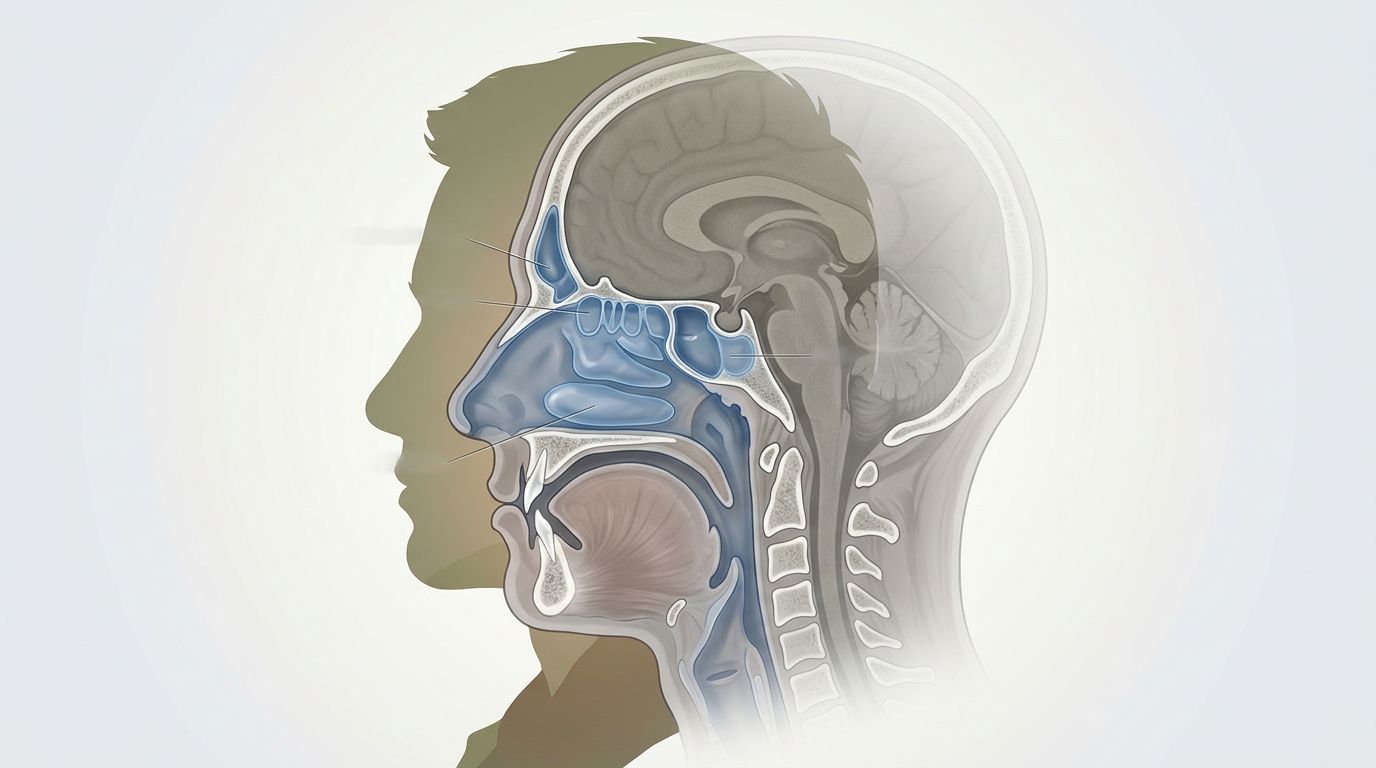
A CT scan can strengthen a VA sinusitis claim, but it usually doesn’t determine the rating by itself. The VA also looks at symptoms, antibiotic treatment, incapacitating episodes, surgeries, and how often the condition affects you.
That distinction matters because a scan may show sinus disease while the medical record fails to document the episodes needed for a compensable evaluation. Understanding how CT findings fit the rating schedule can help you organize stronger evidence before a claim or appeal.
Key Takeaways
- CT evidence can help establish current sinus disease, but it doesn’t automatically produce a 10%, 30%, or 50% rating.
- VA ratings for sinusitis depend heavily on documented episodes, symptoms, treatment, and surgeries.
- The 2026 schedule uses Diagnostic Codes 6510 through 6514 and assigns ratings of 0%, 10%, 30%, or 50%.
- A detailed CT report is more useful when it matches treatment records and consistent symptom reports.
- Service connection and the disability percentage are separate issues that require separate evidence.
How CT Evidence Fits Into a VA Sinusitis Claim
The VA generally evaluates sinusitis under Diagnostic Codes 6510 through 6514. These codes cover pansinusitis, ethmoid sinusitis, frontal sinusitis, maxillary sinusitis, and sphenoid sinusitis.
A CT scan can document objective abnormalities in the paranasal sinuses. Common findings include mucosal thickening, partial or complete opacification, air-fluid levels, blocked drainage pathways, and changes in the sinus walls. The report may also identify which sinuses are affected.
Those findings help answer an important question: Does the veteran have a current sinus condition? However, the rating question is different. The VA must determine how severe the condition is under the applicable criteria.
For example, a CT report might show chronic mucosal thickening in both maxillary sinuses. That finding supports a diagnosis, but it doesn’t by itself prove that the veteran had six non-incapacitating episodes during the past year. Treatment records, examination reports, and credible statements must fill in that part of the record.
The VA’s current sinusitis rating schedule provides the legal criteria. The schedule applies to both original claims and increased-rating requests, subject to the facts and effective dates in the individual case.
Service connection is also separate from the rating percentage. A veteran may need evidence of an in-service event, disease, or exposure, a current diagnosis, and a connection between service and the present condition. Certain veterans may qualify under presumptive rules, but the correct theory depends on service locations, dates, exposures, and medical evidence.
A CT scan usually supports the current-disability element. It doesn’t automatically prove that military service caused the sinusitis.
VA Chronic Sinusitis Ratings for 2026
The general formula has four possible evaluations. The same formula applies across Diagnostic Codes 6510 through 6514.
| VA rating | General criteria |
|---|---|
| 0% | Sinusitis detected by X-ray only |
| 10% | One or two incapacitating episodes per year requiring prolonged antibiotic treatment, or three to six non-incapacitating episodes per year |
| 30% | Three or more incapacitating episodes per year requiring prolonged antibiotic treatment, or more than six non-incapacitating episodes per year |
| 50% | Following radical surgery with chronic osteomyelitis, or near-constant sinusitis after repeated surgeries with the listed symptoms |
For a 10% or 30% rating, a non-incapacitating episode must include symptoms such as headaches, pain, purulent discharge, or crusting. A CT scan may show inflammation, but the report doesn’t count the number of episodes.
The regulation defines an incapacitating episode as one requiring bed rest and treatment by a physician. The rating criteria also require prolonged antibiotic treatment. A prescription record can help, but the file should show why the medication was prescribed and how the episode affected the veteran.
A 0% rating can still establish service connection. It means the condition is recognized as related to service, but the evidence doesn’t meet the threshold for monthly compensation under the schedule. If symptoms become worse, the veteran may seek an increased rating with new medical evidence.
The 50% level requires more than an abnormal CT scan. It focuses on radical surgery with chronic osteomyelitis, or near-constant symptoms after repeated surgeries. A veteran seeking 50% should provide operative reports, follow-up records, imaging, and clear documentation of ongoing headaches, pain, tenderness, discharge, or crusting.
What a CT Report Can Show
The wording of a radiologist’s report can affect how useful the scan becomes in a claim. A report that identifies the location, extent, and type of sinus disease gives the VA more information than a vague statement that “sinusitis is present.”
Useful details may include:
- The specific sinuses affected
- Bilateral or unilateral disease
- Mucosal thickening or complete opacification
- Air-fluid levels that may support active infection
- Obstruction of the ostiomeatal complex
- Evidence of polyps, bone erosion, or post-surgical changes
- Findings that remain present after treatment
A CT taken during an active flare may show different findings than a scan taken after antibiotics or surgery. Therefore, the date of the scan matters. The surrounding medical records should explain the veteran’s symptoms at that time and identify the treatment provided.
Still, imaging has limits. Sinus inflammation can fluctuate, and some veterans have significant symptoms when imaging appears mild. Other veterans have substantial CT abnormalities with limited symptoms. The VA rating formula accounts for this by focusing on the full clinical picture.
A CT also doesn’t replace a medical opinion when the central issue is causation. If a veteran had sinus problems during service and has a current diagnosis, a physician may need to address whether the current condition is at least as likely as not related to service.
The VA’s guidance on evidence for disability claims identifies medical records, service records, and supporting statements as possible forms of evidence. A claimant should submit the CT report itself, not only a summary of its findings.
Match the Scan to Symptoms and Treatment
The strongest sinusitis evidence usually tells one consistent story. The CT shows disease, the treatment records show recurring episodes, and the veteran’s statements describe the same symptoms and frequency.
Medical records should identify the dates of sinus infections, antibiotic courses, urgent visits, primary-care appointments, ENT evaluations, and surgeries. Records may also show nasal sprays, saline irrigation, corticosteroids, referrals, and failed treatment.
A symptom log can help organize the history, especially when records are spread across several providers. Record the approximate date, headache or facial pain, discharge or crusting, prescribed medication, provider visit, and time away from work or normal activities. The log isn’t a substitute for medical evidence, but it can help identify gaps and guide testimony.
When reviewing the claim file, look for inconsistencies. For example, a veteran may report seven episodes in a statement, while the examination says there were only two. The issue may result from different definitions of an episode. A physician might count only infections requiring antibiotics, while the veteran includes recurring flares treated at home.
Clear explanations can prevent that confusion. Describe what happened during each episode and identify which events involved physician treatment, prolonged antibiotics, or bed rest.
The VA Compensation and Pension examination also matters. The examiner may review imaging, ask about symptoms, document surgery, and assess the frequency of episodes. Bring a clear history to the examination, but answer based on actual symptoms and treatment rather than the rating percentage being sought.
A favorable CT scan won’t overcome an incomplete history. Conversely, a strong symptom and treatment record can support the claim when imaging doesn’t capture every flare.
Common Problems With CT-Based Claims
One frequent mistake is treating “chronic sinusitis” on a CT report as automatic proof of a compensable rating. The diagnosis may establish current disease, but the percentage depends on the schedule’s additional requirements.
Another problem is submitting only the radiology impression. The VA may need the full report, medical records, and information about treatment. A short notation such as “sinusitis on CT” leaves unanswered questions about severity and frequency.
Timing can create another issue. If the scan occurred years before the claim, the VA may question whether it reflects the current level of disability. Older imaging remains relevant, especially when later records show continuous symptoms, but recent evidence can clarify present severity.
The opposite problem also occurs. A normal or improved CT may be used against a claim even when the veteran continues to experience documented episodes. The response should address the timing of the scan, treatment before imaging, and the medical evidence covering the rest of the appeal period.
Staged ratings may apply when the severity changed during the claim period. For instance, records might support 10% during one period and 30% after repeated episodes began. The effective date depends on the evidence and the procedural history.
Veterans should also distinguish sinusitis from related conditions such as allergic rhinitis, deviated septum, polyps, or headaches. Those conditions can have separate diagnostic criteria, but the VA must avoid compensating the same symptoms twice. The medical record should identify which symptoms come from which condition.
When a Florida Veteran Should Seek Representation
A sinusitis claim may become difficult when the VA accepts the diagnosis but assigns 0%, denies service connection, overlooks treatment records, or relies on an incomplete examination. An appeal may require a focused argument about the rating criteria, effective dates, medical opinions, or the value of lay testimony.
Florida veterans can review veterans’ benefits assistance from Avard Law when they need help assessing a claim or appeal. An attorney handling VA matters should be accredited by the Department of Veterans Affairs. Veterans can also use the VA’s accredited representative search to confirm a representative’s status.
Before meeting with counsel, gather service treatment records, private ENT records, VA treatment notes, CT scans, operative reports, prescription records, examination reports, and prior VA decisions. Include a timeline of episodes and treatment.
Conclusion
A CT scan can provide valuable objective proof of sinus disease, but the rating follows the entire medical record, not the image alone. The VA must consider symptoms, episode frequency, antibiotic treatment, physician care, surgeries, and the date each level of disability began.
Veterans seeking VA chronic sinusitis ratings in 2026 should connect CT findings to documented treatment and consistent symptom history. When those pieces support the same account, the claim gives the VA a clearer basis to assign the correct evaluation.